
Last updated November 22, 2026
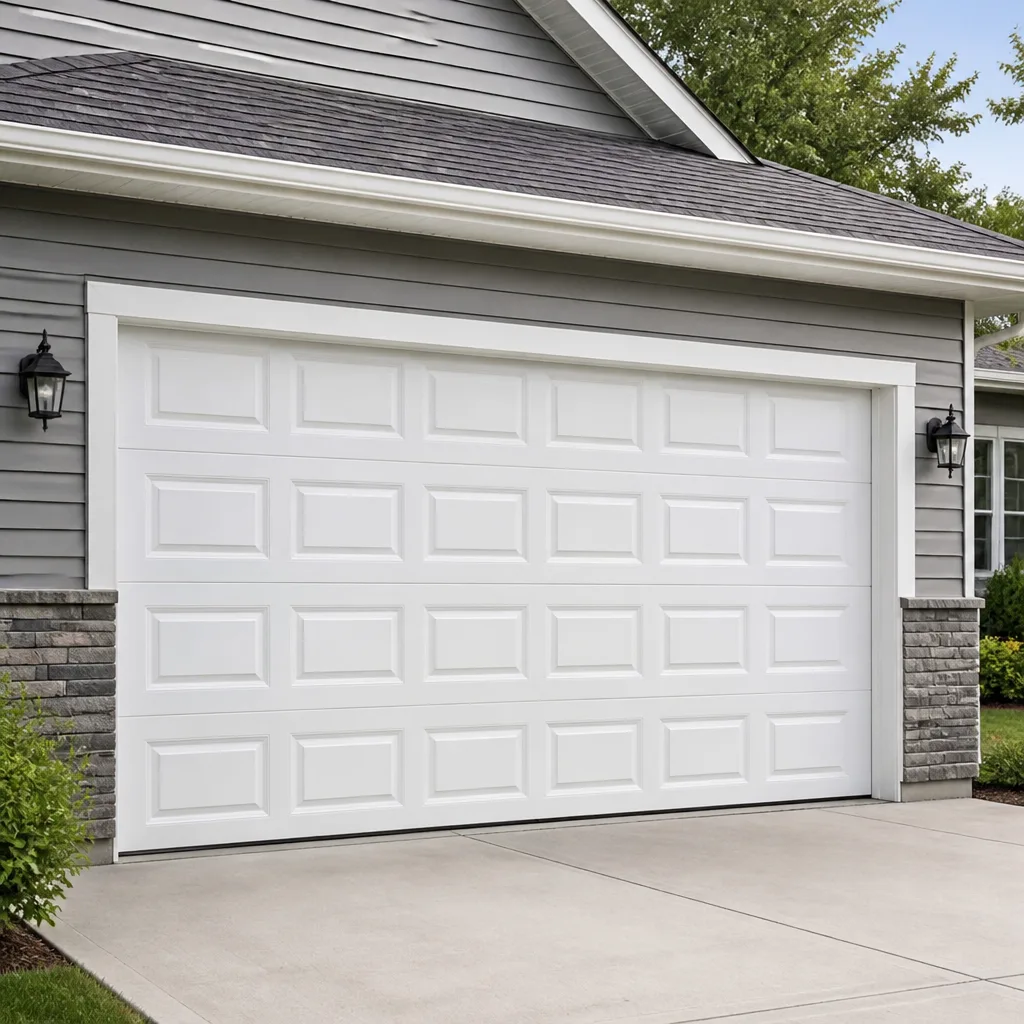 Raised-panel steel
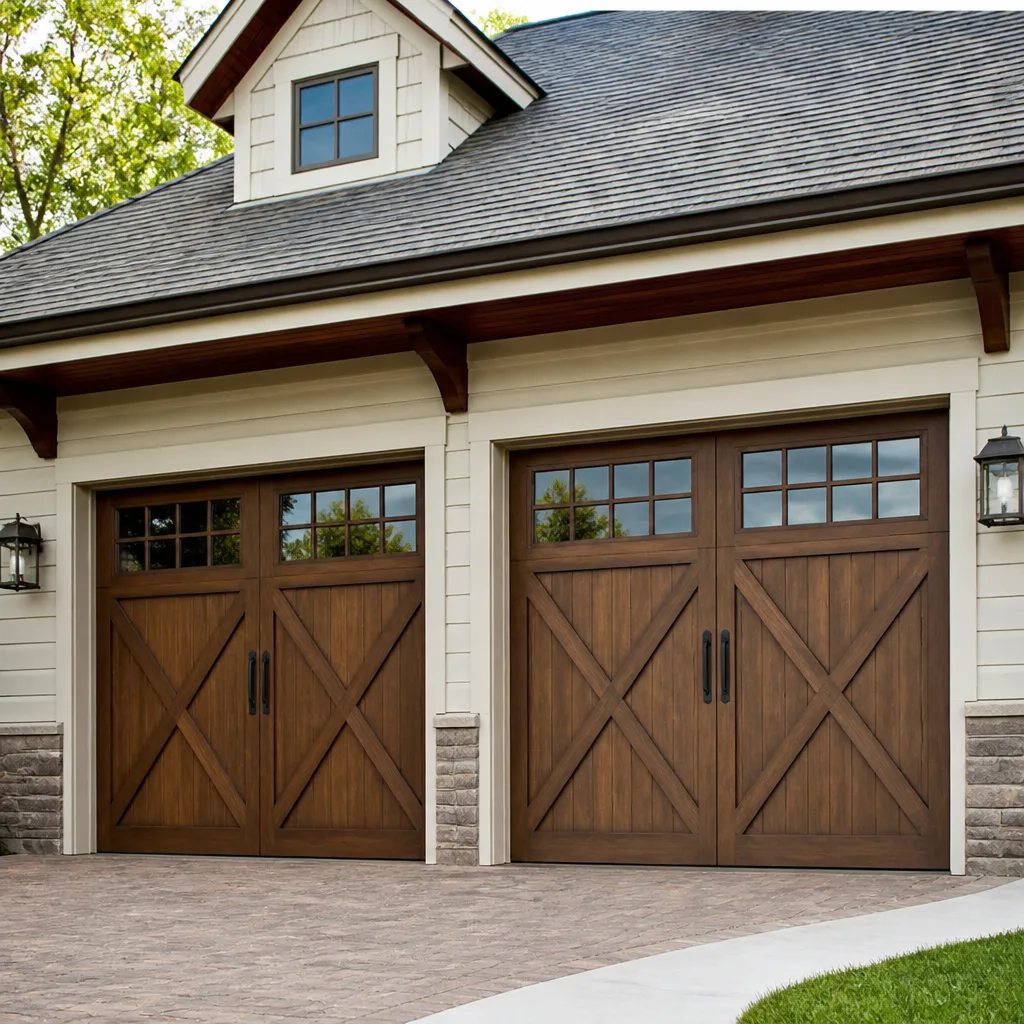 Carriage house
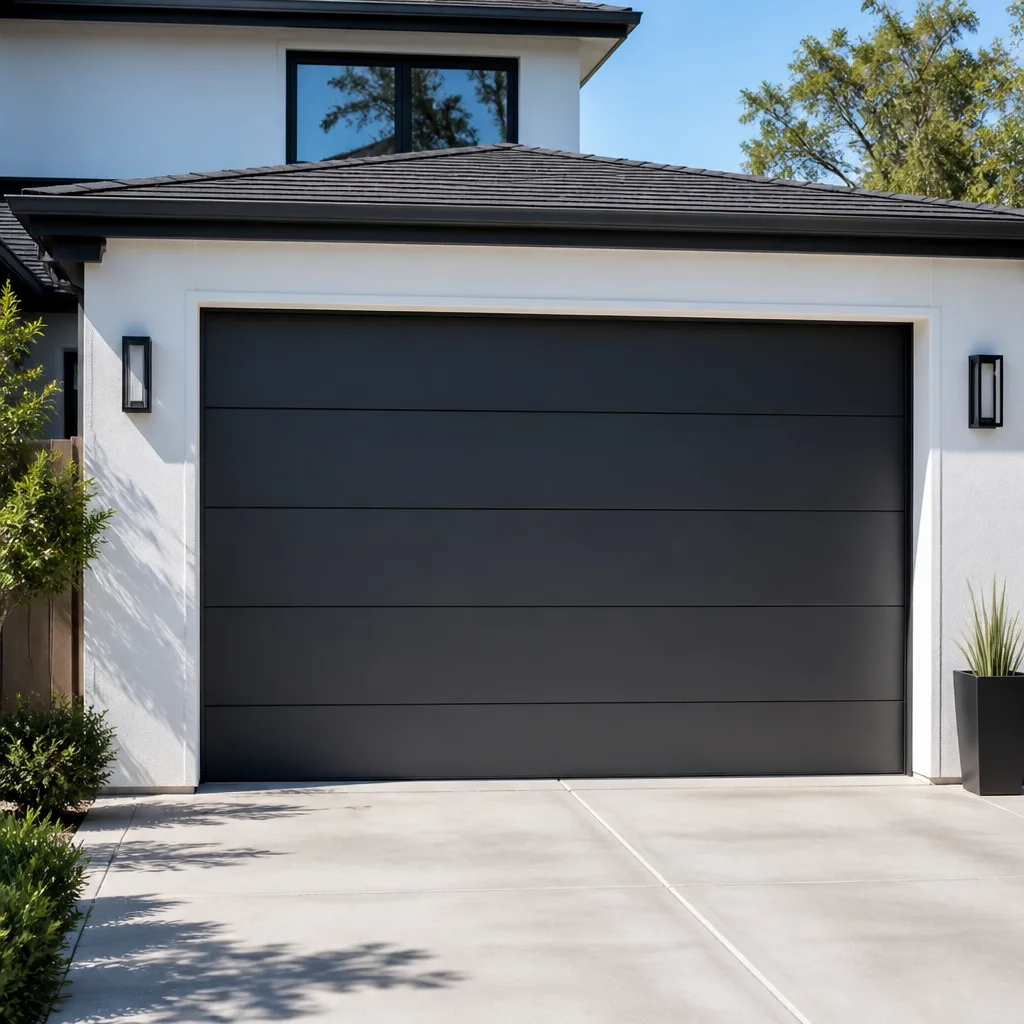 Modern flush
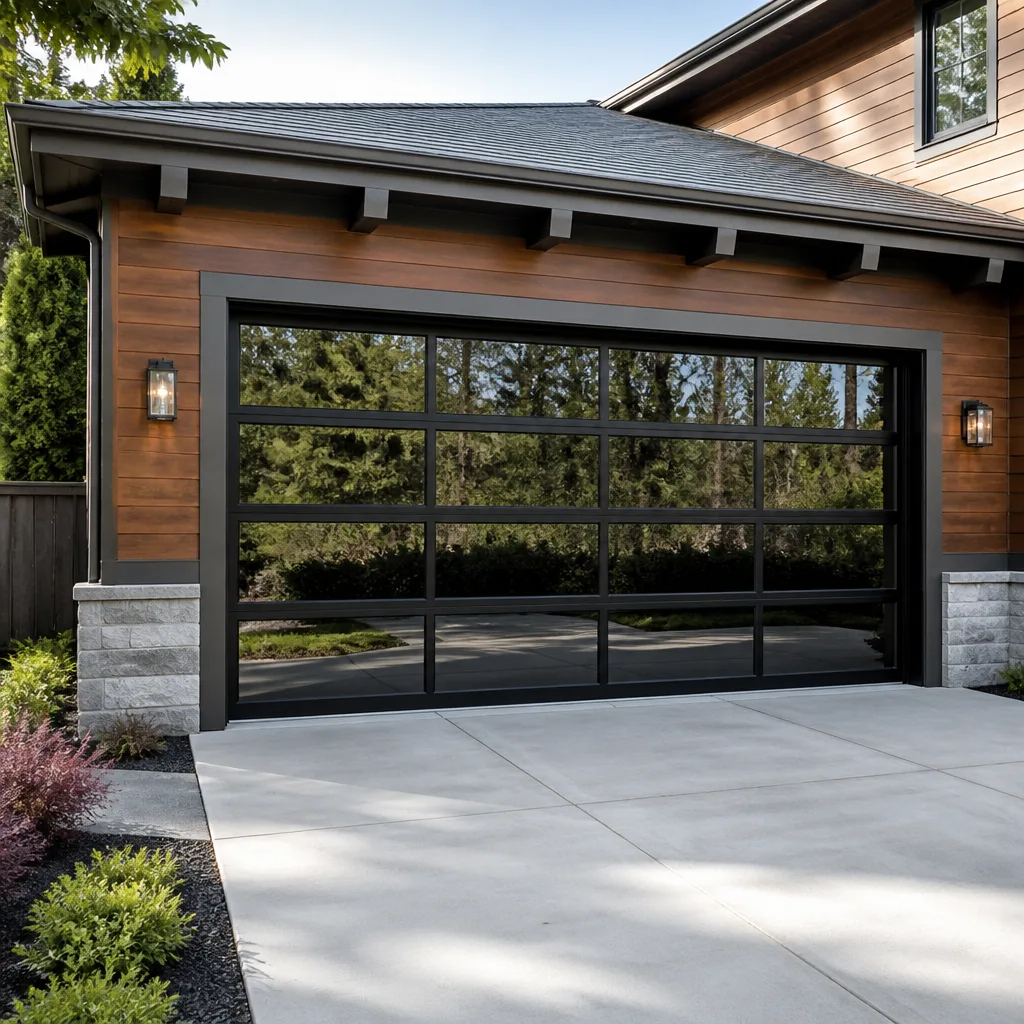 Full-view glass
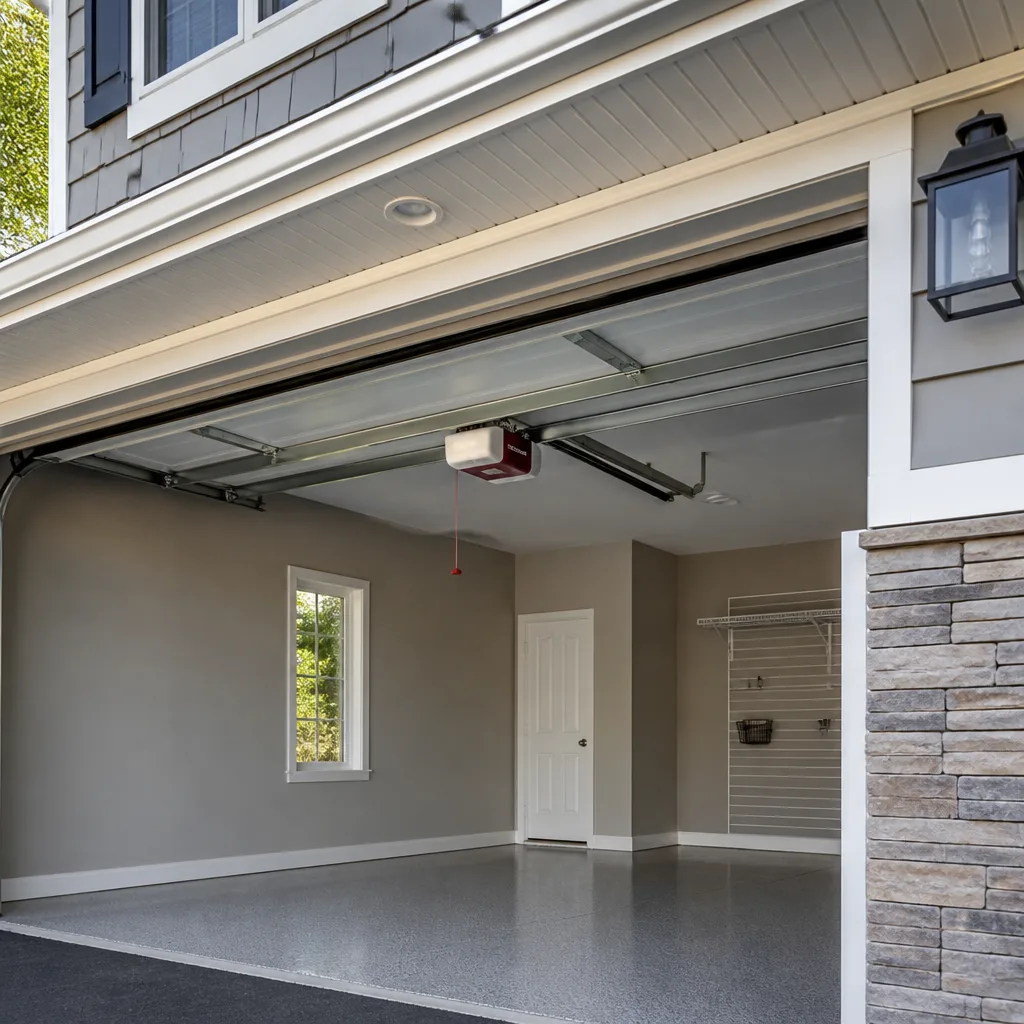 LiftMaster openers
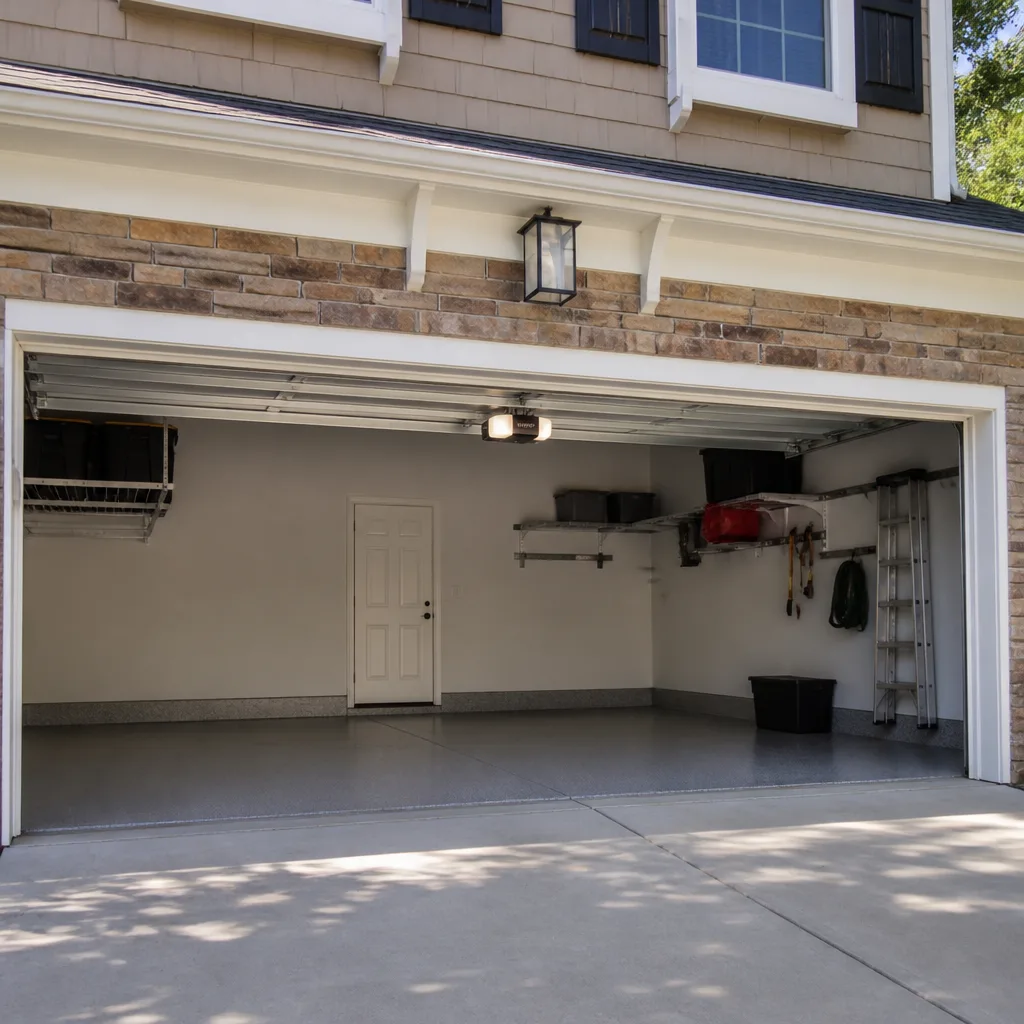 Chamberlain openers
Full 25-point door and opener safety check with every visit - springs, cables, rollers, tracks, and your LiftMaster or Chamberlain opener included
You get a price before we start. It does not change when the pro arrives.
Get your free estimateSeasonal Garage Door Care for Edison: Year-Round Homeowner’s Guide
Most garage door advice you’ll find is a four-seasons checklist copied from a climate that isn’t yours. It tells you to “winterize your door” without knowing that Edison swings through roughly 26 freeze-thaw cycles in a typical winter, each one expanding and contracting the metal in your torsion bar, track brackets, and bottom seal frame. A spring that survives one season isn’t guaranteed to survive the next, and the warning window is shorter than most homeowners expect. This guide is built around the five weather events that actually damage doors in Middlesex County, and what to do in the 30 days before each one arrives. You’ll learn what to check, when to check it, and which problems to leave to a trained technician.
Quick Answer
Seasonal garage door care in Edison comes down to timing: prep before the first hard freeze in November, brace for Nor’easters through winter, inspect closely in March when thaw cycles stress springs, watch for panel warping in summer humidity, and clear bottom seals in fall before debris jams the track. Most of this is visual inspection you can do yourself in 10 minutes. Spring, cable, and opener adjustments should go to a trained professional.
Styles & brands we work with
- Raised-panel steel
- Carriage house
- Modern flush
- Full-view glass
- LiftMaster openers
- Chamberlain openers
Table of Contents
- Why Edison Doors Wear Differently: The Local Climate Calendar
- The Pre-November Window: Freeze-Thaw Prep
- Nor’easter Season: What These Storms Do to Edison Doors
- March Thaw Protocol: The Highest-Risk Month for Springs
- Summer Humidity and Panel Warping
- Fall Leaf and Debris Management
- What Brand-Specific Care Looks Like
- Common Mistakes to Avoid
- When to Call a Professional
Why Edison Doors Wear Differently: The Local Climate Calendar
Garage doors in Edison take a different beating than doors in Phoenix or Miami. Middlesex County sits in a climate where winter brings repeated freeze-thaw cycles, spring throws heavy rain, summer runs humid, and fall drops a thick layer of leaves into every track channel. Each of those conditions stresses a different part of the door. That’s why a generic maintenance schedule doesn’t work here. The calendar below is the framework for everything else in this guide.
Here’s how the year breaks down for a typical Edison door:
- October – November: Freeze-thaw cycles begin. Metal contracts, seals stiffen, lubrication needs to hold below 20°F.
- December – February: Nor’easters arrive. Snow and ice weight accumulates on horizontal tracks and stresses specific panel points.
- March: The thaw. Temperature swings of 30 degrees or more in 24 hours are common. This is the highest-risk month for spring failure.
- June – August: Humidity climbs. Wood composite and steel panels absorb moisture differently, and warping starts small.
- September – November: Leaves and debris drop into bottom seals and track channels, and the door starts closing unevenly.
We’ve seen every one of these failure modes play out in Edison, and the pattern is consistent: the doors that fail are usually the ones that got zero attention in the 30 days before the stressor arrived. A door that gets a 10-minute inspection in October, a glance after each storm, and a real check in March handles an Edison winter far better than one that didn’t.
The Pre-November Window: Freeze-Thaw Prep
The 30 days before the first hard freeze are the single most valuable maintenance window of the year for an Edison door. Whatever you do in that window determines how the door behaves for the next five months. The goal is simple: make sure everything that moves is lubricated with something that stays fluid below 20°F, and everything that seals is soft enough to do its job.
Here’s the order we recommend:
- Lubricate the moving metal parts. Hinges, rollers, and torsion bar bearings. Use a low-temperature white lithium grease or a specifically cold-rated silicone spray. General-purpose oil thickens below 20°F and starts to gum up the works. If your lubricant label doesn’t say it’s rated for cold temperatures, don’t use it in November.
- Inspect the bottom seal. Run your hand along the rubber seal at the floor. It should feel flexible, not brittle. Cracked or stiff seals let cold air in and can break apart after a few freeze cycles.
- Check the weatherstripping at the sides and top. Same test: flexibility matters. If it’s cracking or pulling away, cold air gets behind the door and accelerates condensation on the panels.
- Test the balance. Disconnect the opener and lift the door halfway by hand. It should stay there without holding. If it drifts down or feels heavy, spring tension needs attention before the cold hits.
- Listen to the opener. If it sounds different from last month, that’s worth noting. A LiftMaster or Craftsman opener that runs louder in October will run even louder in January.
Each of those items takes a few minutes. The most important thing to avoid is using the wrong lubricant. We’ve opened enough Edison doors in December to know that a door lubed with a thin summer-grade oil in October will grind by January. The metal contracts, the oil thickens, and the rollers start catching.
Nor’easter Season: What These Storms Do to Edison Doors
A Nor’easter is not just a bigger snowstorm. The combination of heavy wet snow, wind-driven spray, and the specific angle of the storm creates stress patterns on Edison doors that a regular snowstorm doesn’t. Wind-driven snow lodges in the horizontal track sections – the curved rails that guide the door up and back – and that accumulation adds weight the door isn’t designed to carry. Over a season of Nor’easters, we see the second and third panels (from the bottom) develop hairline stress marks at the hinges because those panels bear the most snow load.
What to do before and after each storm:
- Before: Confirm the door opens and closes fully. A door that’s already slow or sticking will be worse under snow load.
- During: Don’t force the door open if it’s stuck under ice. Forcing it can strip the opener’s gear or damage a panel.
- After: Clear snow away from the bottom seal before operating the door. If the seal compresses onto ice, the door closes partially and stops – a safety reverse feature doing its job, but one that can leave you locked out.
- After the storm clears: Knock snow out of the horizontal tracks with a broom, not a shovel. A shovel can bend the track.
Wayne Dalton and Clopay panels handle snow load reasonably well, but the seal and hinge points take the damage long before the panels do. If you notice a slight sag in the door or a hinge that’s pulling away from the panel after a storm, that’s a panel stress point that needs professional attention rather than a quick fix. Nor’easters are also when most emergency calls come in across Edison – a door stuck open in a storm is a security concern, and one stuck closed is an access concern.
March Thaw Protocol: The Highest-Risk Month for Springs
March is the month when more torsion springs fail in Edison than any other. Here’s why: a torsion spring is a coiled steel part that holds the door’s weight. Through the winter, that spring stays cold, and cold steel is more brittle. Then March arrives with 30-degree temperature swings in a single day – metal expands and contracts repeatedly, and the spring’s coils move through thousands of micro-cycles in a matter of weeks. A spring that was already near the end of its fatigue life can snap in the middle of a thaw. It happens fast, and it almost always happens without warning.
What a post-winter inspection should find:
- The spring coils are intact. No visible gap between coils, no rust spots that indicate a stress point.
- The lift feels balanced. Disconnect the opener, lift the door halfway, and check whether it stays. A door that drops or feels heavy needs attention.
- The cables are intact and under tension. Cables run from the bottom bracket up to the spring, and they should be taut. Frayed strands or a slack cable mean the system is out of balance.
- The door travels evenly. Watch it open and close fully. It should track straight and not shudder.
- The opener reverses properly. Place a 2×4 flat on the floor in the door’s path and test the safety reverse. A Genie or LiftMaster opener that fails this test needs service.
Springs are under extreme tension. That means you should never attempt to adjust, unwind, or replace one yourself, and if you see a snapped spring, don’t try to open the door by hand – the remaining spring may be holding far more load than it was designed for. garage door spring repair is a job for a trained technician, in Edison and everywhere else. The upside: this single inspection in March, done once a year, is the best way to catch a failing spring before it snaps.
Summer Humidity and Panel Warping
Summer in Edison is when humidity climbs and stays there. That matters most for wood composite doors and the steel panels on certain models. Wood composite panels absorb moisture and swell. Steel panels don’t absorb, but the seams and edges where panels meet can trap condensation, and over a summer that trapped moisture works its way into the hinge points.
Here’s the specific measurement to check: the gap between panels along the door’s center seam. Take a visual look at the vertical line that runs down the middle of the door. It should be uniform from top to bottom. If it’s tight at the top and slightly wider at the bottom – or vice versa – that’s an early sign of panel warping. It doesn’t mean the door is failing. It means moisture is getting into the panel seams and one panel is expanding faster than the other. Caught early, that’s fixable. Left through a few summers, it can become a structural issue where the panel no longer aligns with its hinges.
What to do during humid months:
- Check the center seam and side seams monthly. Uniform gap is good. Uneven gap means look closer.
- Keep the door’s painted or factory finish intact. A chip or crack in the finish is where moisture gets in. Touch-up paint matters more than it seems.
- Ventilate the garage. If the garage traps humid air, panels absorb it. A simple vent or a small fan helps.
- Watch the bottom seal again. Summer heat can soften seals and make them stick to the floor. If the door hesitates on opening, the seal may be bonding to the concrete.
Raynor and Amarr doors usually handle humidity well because their finishes are factory-applied and continuous, but any door with a damaged finish starts the same cycle. If you see the gap widening, call for a garage door repair inspection before the warping becomes structural.
Fall Leaf and Debris Management
This is the failure mode nobody addresses until the door won’t close. Leaves blow into the bottom seal’s contact line and the track channels. They pile up at the sides of the door, clog the channel where the rollers travel, and after a few weeks they compress into a mat that keeps the door from making a full seal. The door gets 95% closed and stops. You press the remote again. It reverses. You assume the opener’s broken.
In Edison, the fall leaf drop happens fast, usually over a three-week window, and a door on a driveway lined with trees can accumulate enough debris to jam in that time. What to do:
- Clear the track channels weekly during leaf season. Use a shop vac or a dry cloth. A leaf stuck in the channel is what causes rollers to grind.
- Check the bottom seal’s contact line. Lift the door by hand slightly and look underneath. If leaves are packed against the concrete, they’ll keep the door from sealing.
- Sweep the driveway in front of the door. A leaf pile against the door gets pulled in on the next open-close cycle.
- Test the door’s full close after each clearing. Watch the door meet the floor. If it stops short or reverses, something is in the path.
- Clear the photo-eye sensors at the bottom of the tracks. Leaves and debris block the safety sensors and cause the door to reverse constantly.
If you’ve cleared the tracks and the door still won’t close flush, the problem may be a worn bottom seal rather than debris. That’s a straightforward repair on most doors, but it’s worth having a technician confirm the seal is the issue and not a misaligned track. Once the leaves are gone, a November prep (see the pre-November section) gets the door ready for the freeze.
What Brand-Specific Care Looks Like
We tell Edison homeowners this often: not every garage door system behaves the same in cold or humidity, and a maintenance routine that works for a LiftMaster opener may not apply to a Raynor door. Brand matters more than most guides admit.
A few examples from the systems we work on regularly:
- LiftMaster and Chamberlain openers (both brands come from the same manufacturing family) have safety reverse and force settings that can drift as the door’s balance changes with the seasons. Each winter-to-summer swing is a chance for those settings to need adjustment.
- Craftsman openers, common on homes that were built or updated a decade or two ago, have their own gear-and-sprocket wear patterns. Cold weather reveals a worn gear faster than any other condition.
- Raynor and Wayne Dalton doors use different hinge and roller configurations than Clopay and Amarr, which affects which lubrication points matter most and which seals wear first.
- Genie openers (especially the Aladdin-connected models) have sensor and app behaviors that can interact with a door that’s traveling unevenly. If the door’s track is out of alignment, the opener’s smart features will report it as an error before the door visibly fails.
The point of naming brands isn’t to suggest we only work with some. It’s that seasonal care works best when the technician knows the actual system on your door, not a generic approximation of it. If we’ve worked on a specific opener model’s failure points in Edison, that knowledge carries over to your door because it’s the same system.
Common Mistakes to Avoid
- Using summer-grade lubricant in October. Most general-purpose oils thicken below 20°F. The door will still open, but the rollers grind, and grinding turns into replacement faster than it should.
- Shoveling snow out of the horizontal tracks. A shovel blade bends track. Use a broom or a soft brush, and if the track is already bent, that’s a professional repair.
- Skipping the March inspection because the door “seems fine.” Springs don’t announce their failure. A door that worked all winter can snap in the middle of a thaw, and the March check is where that gets caught.
- Ignoring panel warping because the door still opens. Summer humidity causes small gaps to grow slowly. A warped panel still operates – until it doesn’t, and by then it’s a larger repair.
- Assuming the opener is broken when the door won’t close. Nine times out of ten in fall, it’s leaves in the track or debris blocking the sensors. Check those before calling.
- Forcing a stuck door through ice or snow. This is the fastest way to damage the opener gear or a panel. If the door resists, stop and clear the blockage.
- Adjusting the springs yourself. Torsion springs are stored energy. Even a partially unwound spring can cause serious injury. This is the one item on every list that should never be DIY.
When to Call a Professional
Most of the seasonal maintenance in this guide is visual inspection, lubrication, and debris clearing. That’s fine for a homeowner. Certain problems, though, belong to a trained technician every time. If you hear a loud snap from the spring area, see a gap in the coils, notice a frayed or slack cable, feel the door drop when you lift it halfway, or see the track visibly bent or separated from the frame – call before you touch it. Springs and cables are under extreme tension, and the safety reverse on your opener is only as good as the door’s balance. If your door is stuck open, stuck closed, or you’ve got a car trapped inside, that’s a same-day call. We answer emergency garage door calls in Edison because a door that won’t move is an access and security problem, not just an inconvenience.
Our technicians have up to 11 years of experience, and we work on the brands most often installed in Edison homes – LiftMaster, Chamberlain, Genie, Clopay, Amarr, Wayne Dalton, Craftsman, and Raynor. From opener to overhead panel, we handle the whole system, so you’re not calling a second company to finish the job. We give free estimates and set the price by a written quote before any work starts.
Edison Garage Door Repair Pros offers free estimates in Edison – call (855) 506-5081. We answer 24/7. Fast dispatch from 7am to 7pm, Sunday through Friday.
See the difference
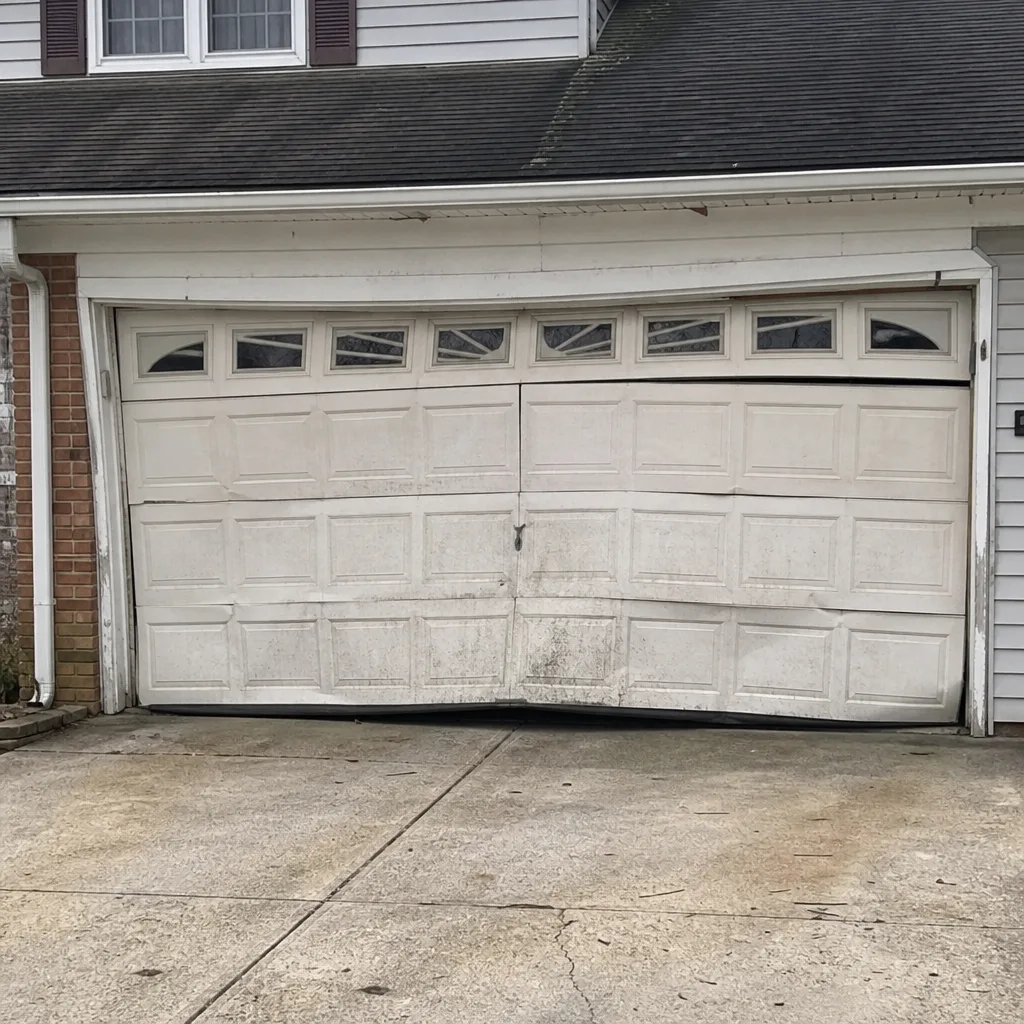 Before
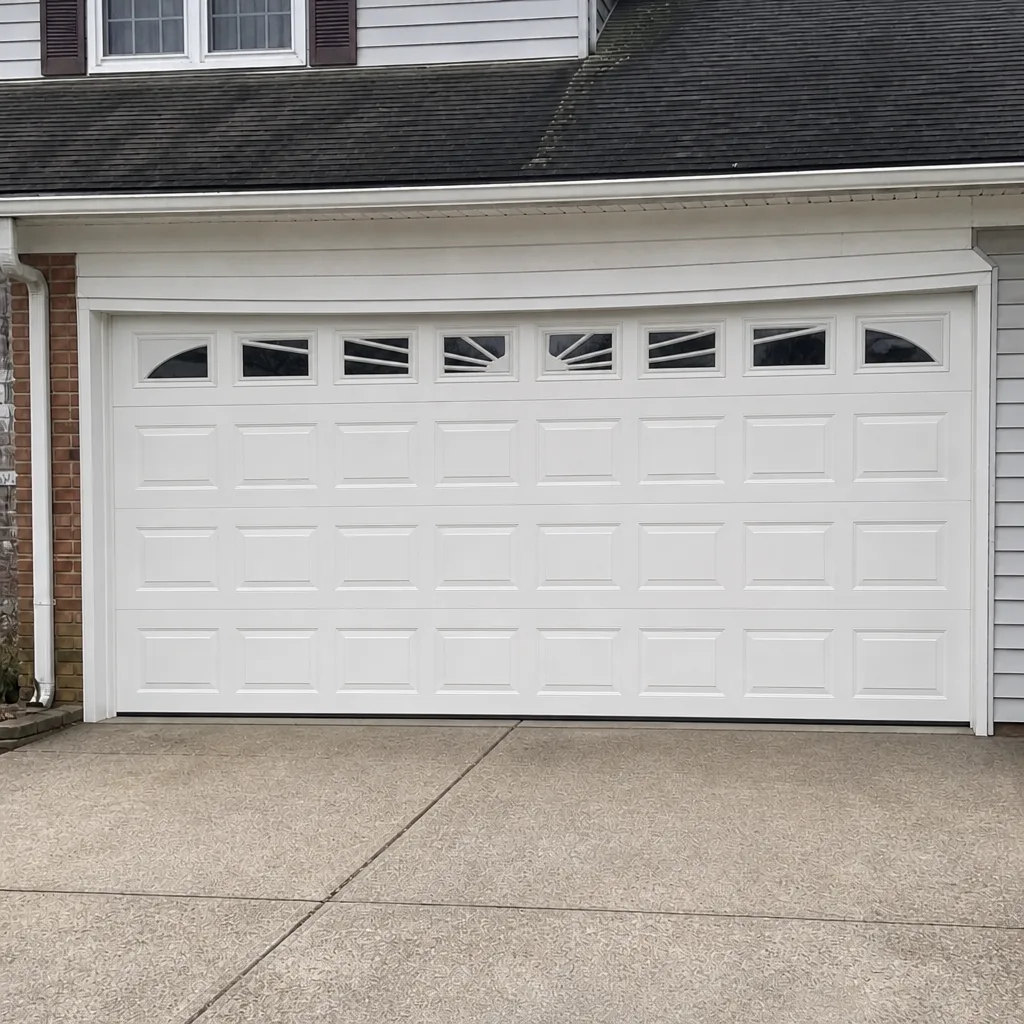 After
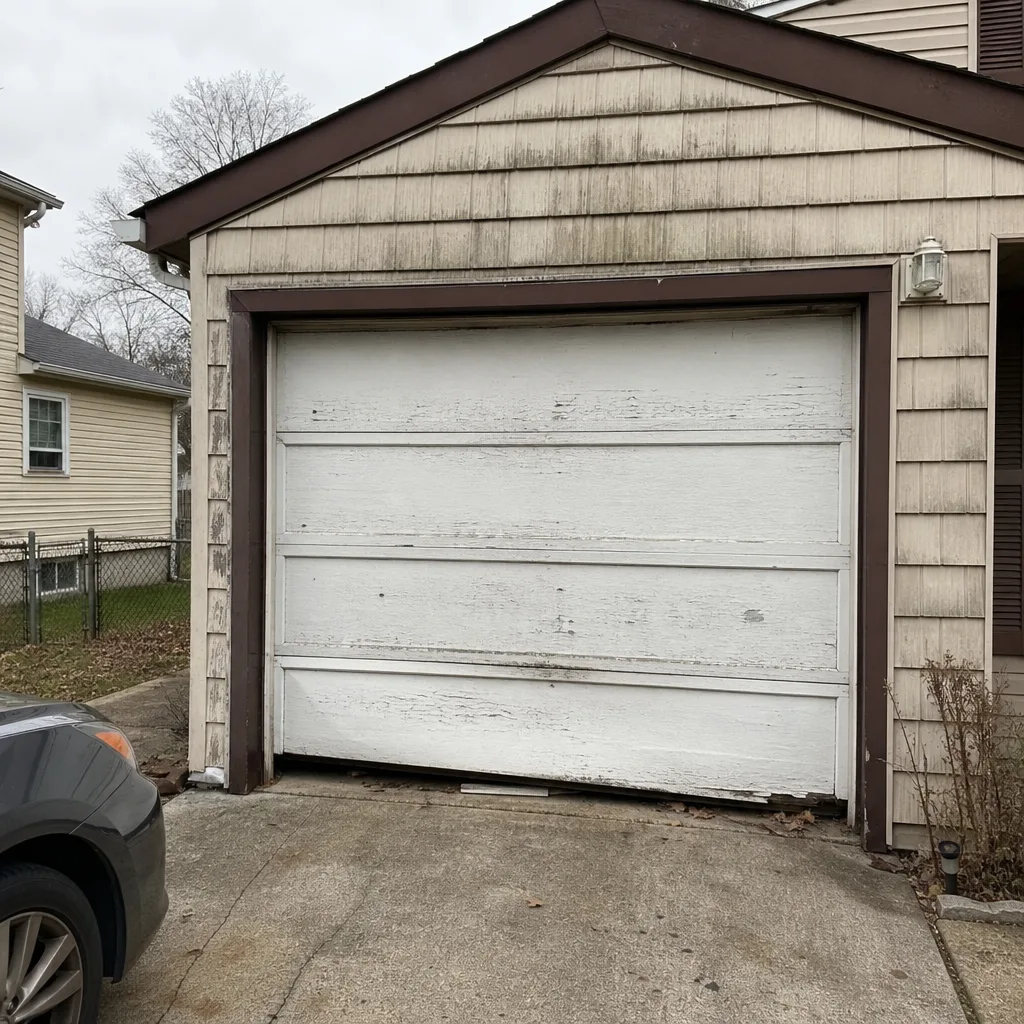 Before
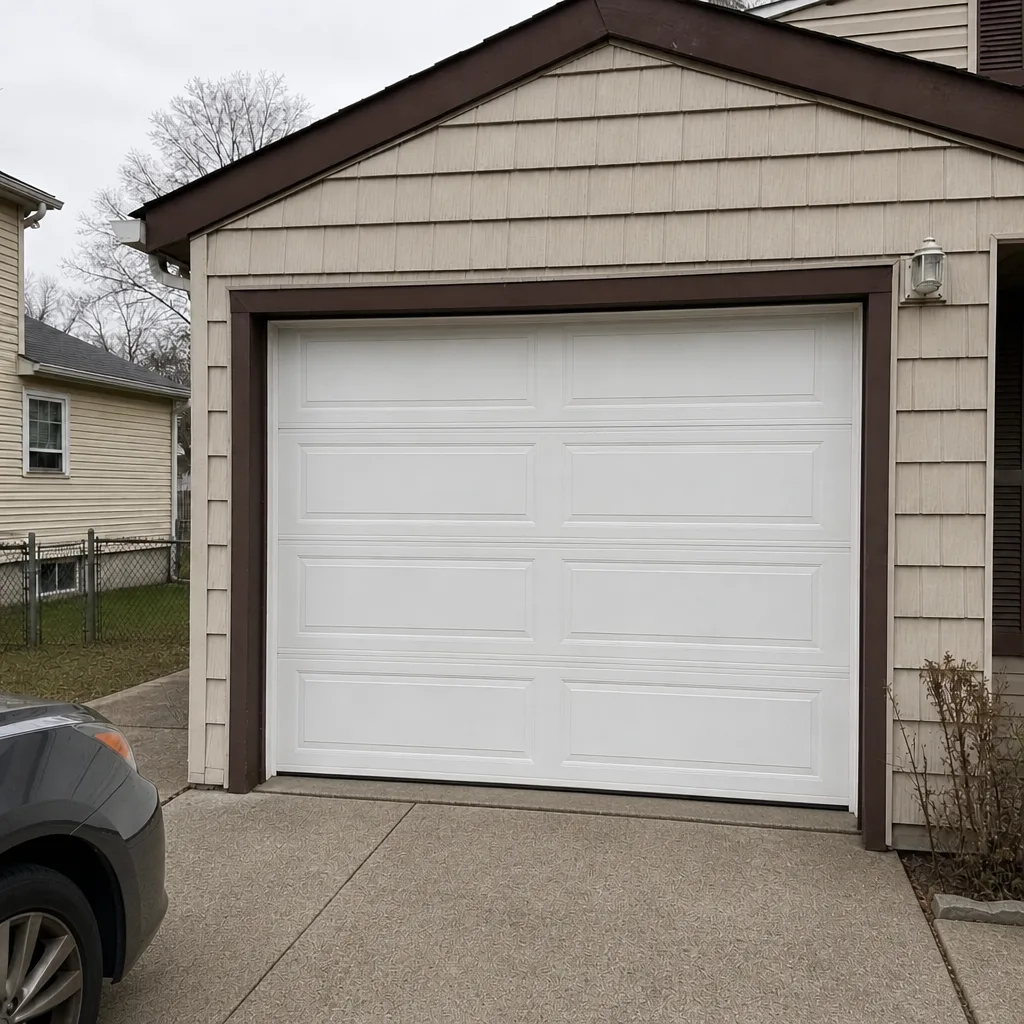 After
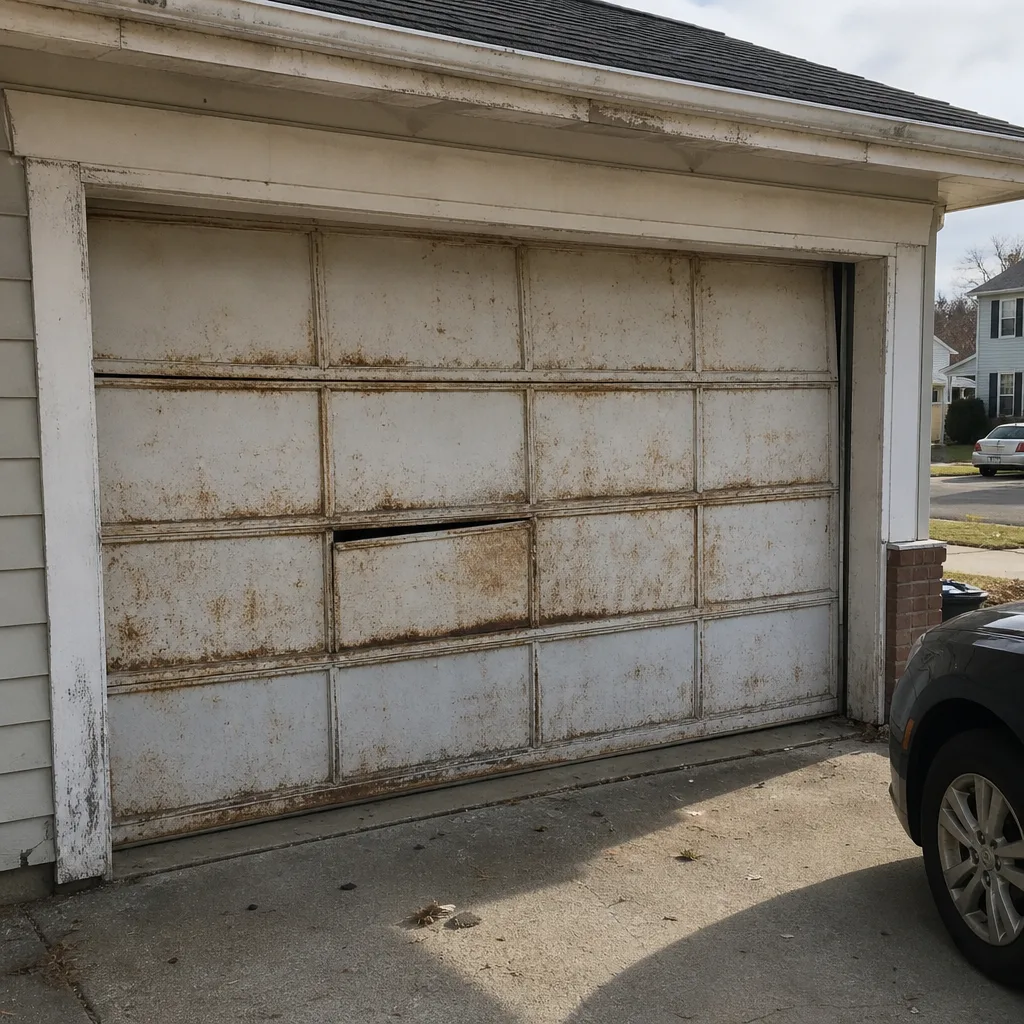 Before
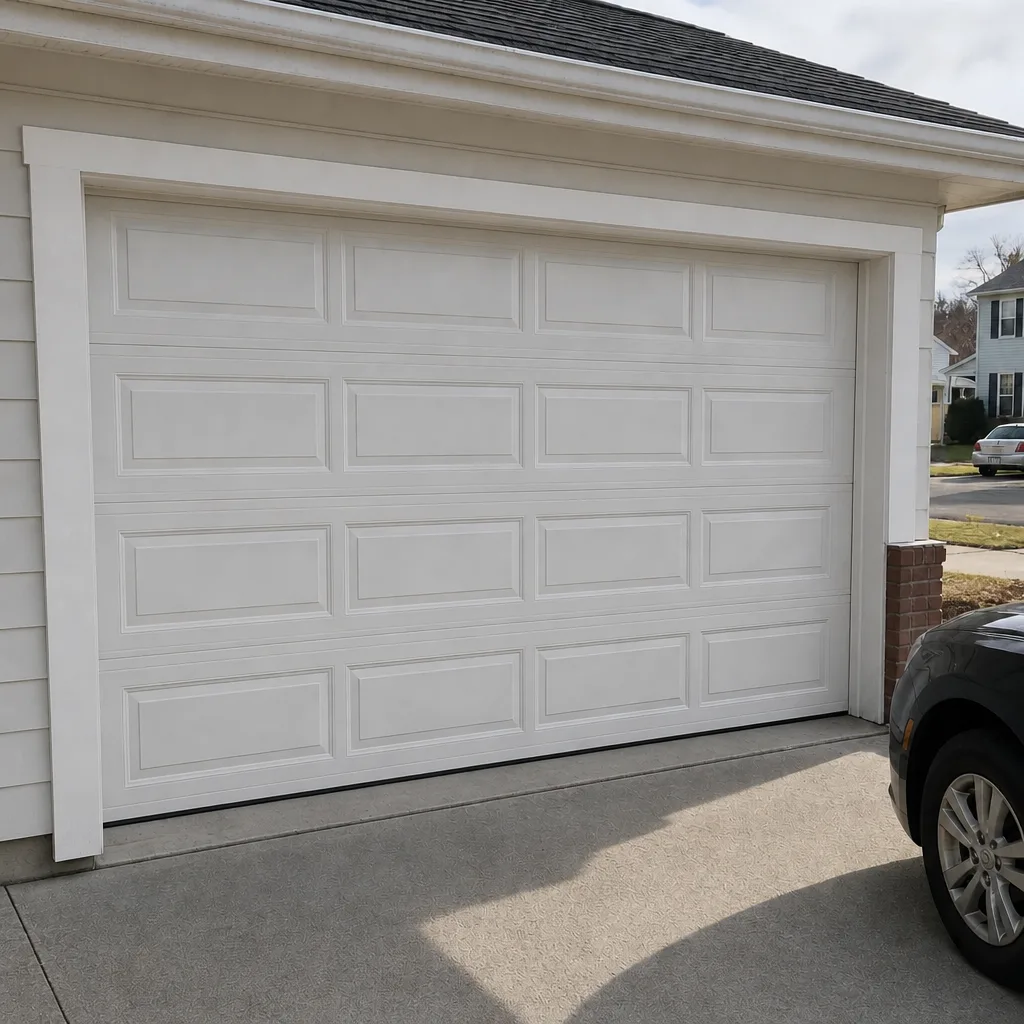 After
Frequently Asked Questions
Once a year, ideally in the pre-November window, plus a visual check in March after the thaw. The annual service catches spring fatigue, seal wear, and lubrication issues before the freeze sets in. If your door is older or you’ve noticed any change in how it sounds or moves, twice a year – fall and spring – is worth the effort.
March brings rapid temperature swings that cycle the spring steel through expansion and contraction many times in a short period. A spring already near the end of its fatigue life is more likely to snap during a thaw than during steady cold. That’s why the March inspection matters more than most homeowners realize.
Yes, for the moving parts – hinges, rollers, and the torsion bar bearings. Use a cold-rated white lithium grease or silicone spray in fall and a lighter lubricant in spring. Do not lubricate the torsion spring itself, and never attempt to adjust or replace one. If you’re not sure whether a part should be lubricated, ask before you spray.
Most likely it’s leaves or debris in the track channels or against the bottom seal, or the photo-eye sensors are blocked. Clear the tracks and the sensor lenses first. If the door still stops short, the bottom seal may be worn and need replacing, which is a straightforward repair.
Yes, mainly through panel warping and moisture getting into seams. Wood composite panels absorb moisture and swell. Steel panels can trap condensation at the seams. Check the vertical gap between panels each summer – if it’s uneven, warping is starting and worth an inspection before it becomes a structural problem.
Test the door’s full open-and-close cycle before the storm, confirm the safety reverse is working, and clear the immediate area of anything that could blow against the door. After the storm, clear snow from the horizontal tracks with a broom and check the bottom seal for ice before operating the door. If the door was already sticking or slow before the storm, have it looked at – the snow load will only make it worse.
You usually don’t, and that’s the problem. Springs fail suddenly with no warning. What you can do is test the balance monthly (disconnect the opener, lift the door halfway, see if it stays), and have an annual inspection. If the door feels heavier or drops instead of staying, call before the spring snaps.
Yes. A door stuck open or closed is an access and security problem, so we answer emergency calls through the year. Call (855) 506-5081 for an exact quote – estimates are free. We answer 24/7. Fast dispatch from 7am to 7pm, Sunday through Friday. A call outside dispatch hours is booked into the next opening.
The Bottom Line
Seasonal care in Edison is timing, not effort. Prep in the 30 days before November so metal and lubricant are ready for freeze-thaw. Stay alert through Nor’easter season and clear tracks after each storm. Do a real inspection in March, when spring failure risk peaks. Watch the center seam in summer humidity, and clear the bottom seal weekly through fall. None of this takes more than 10 minutes at a time, and most of it you can do yourself. The one piece to always leave to a technician is the springs and cables. If anything feels off – the door’s balance, the opener’s sound, a gap that’s wider than last month – call (855) 506-5081. Edison Garage Door Repair Pros offers free estimates for garage door opener repair and every other issue described in this guide, and we’ll give you a written price before any work starts. For a full overview of what we handle across the trade, visit Edison Garage Door Repair Pros.
Written by the team at Edison Garage Door Repair Pros.