
Last updated November 22, 2026
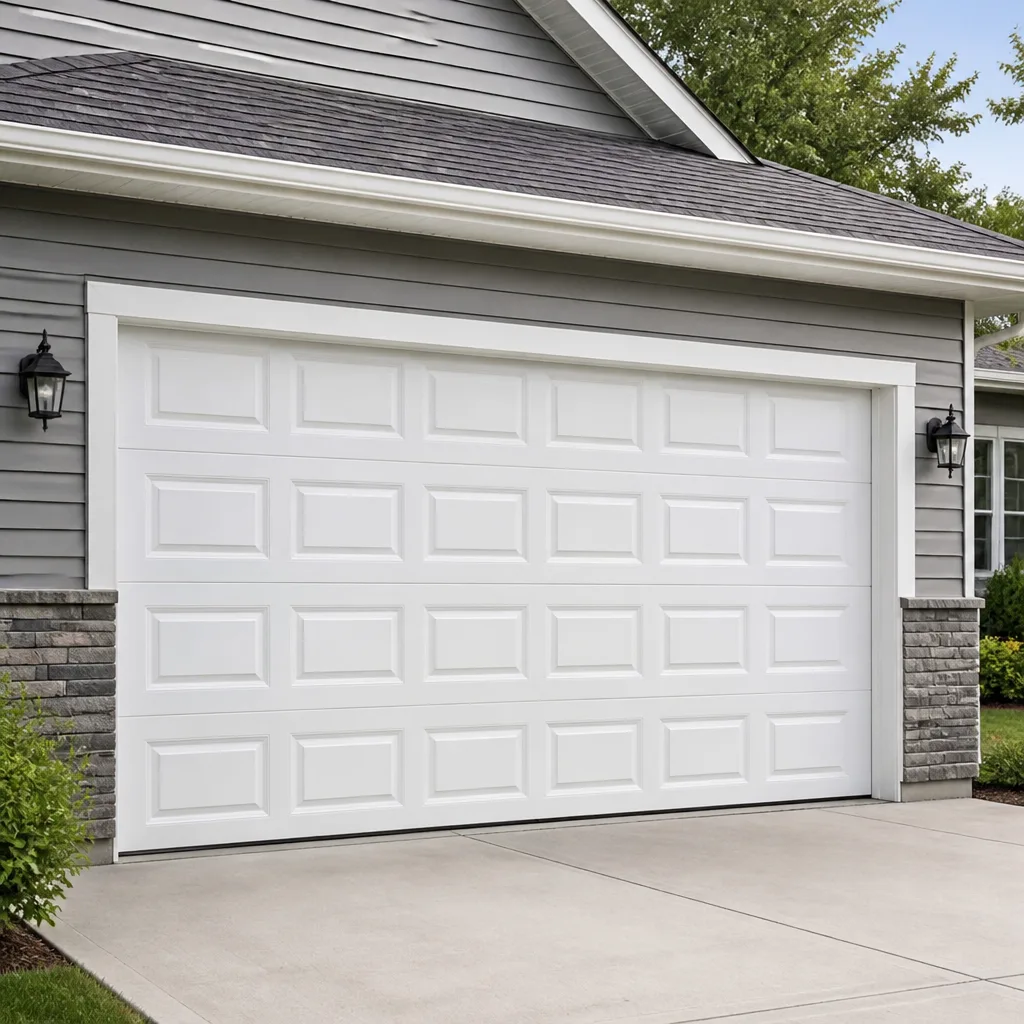 Raised-panel steel
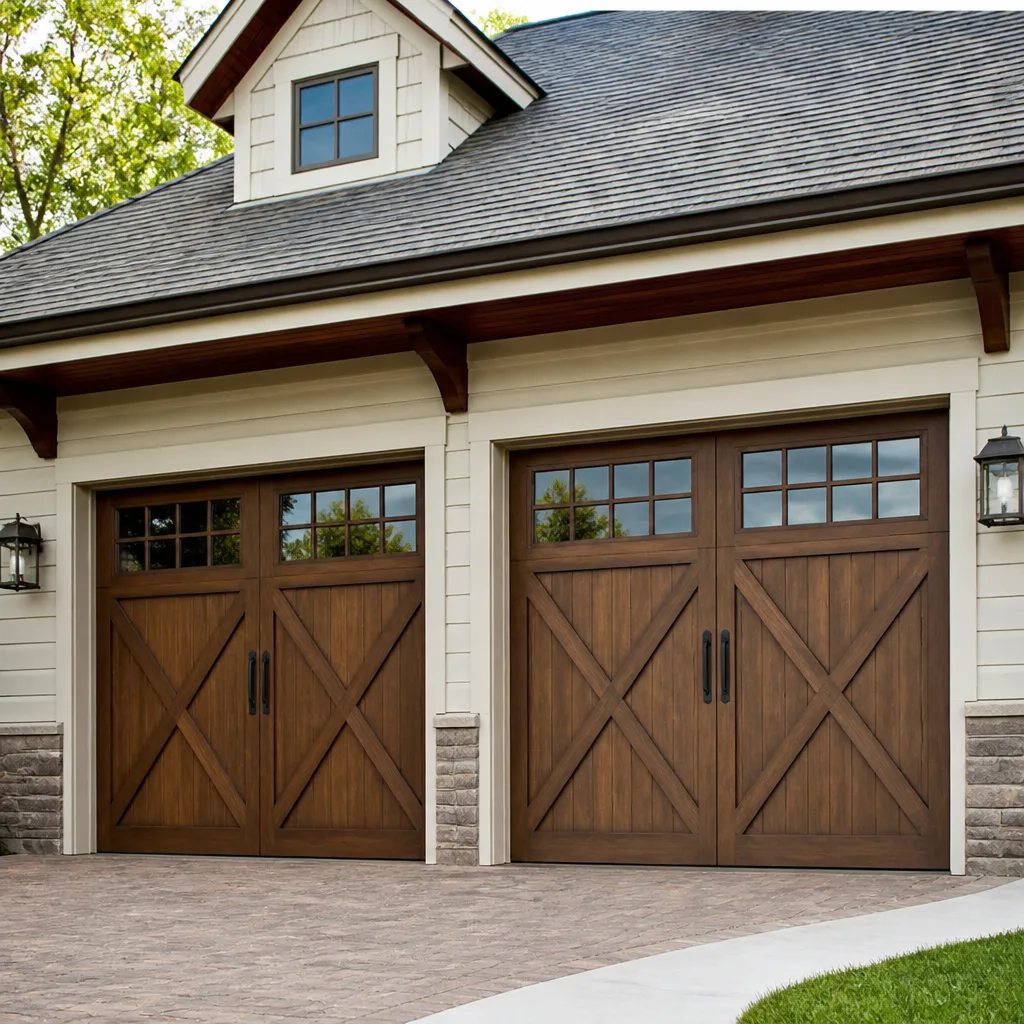 Carriage house
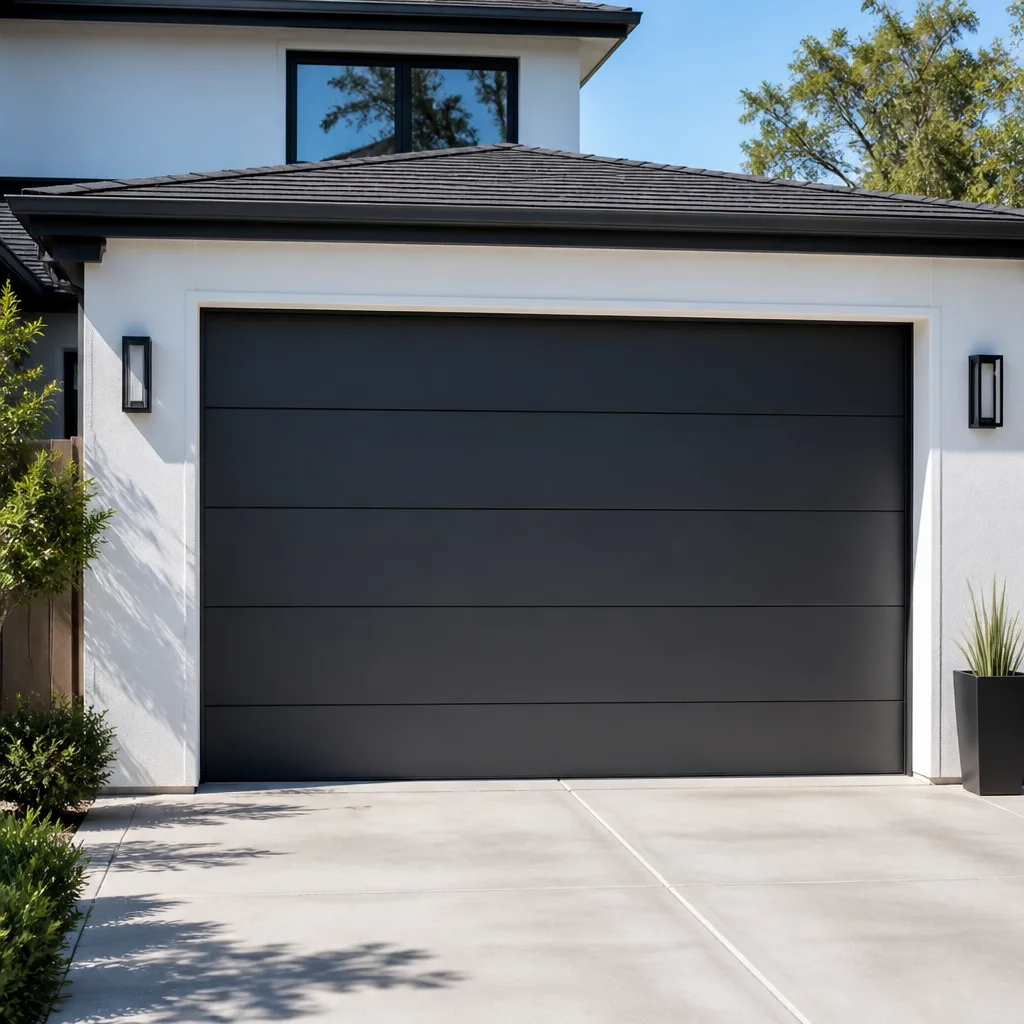 Modern flush
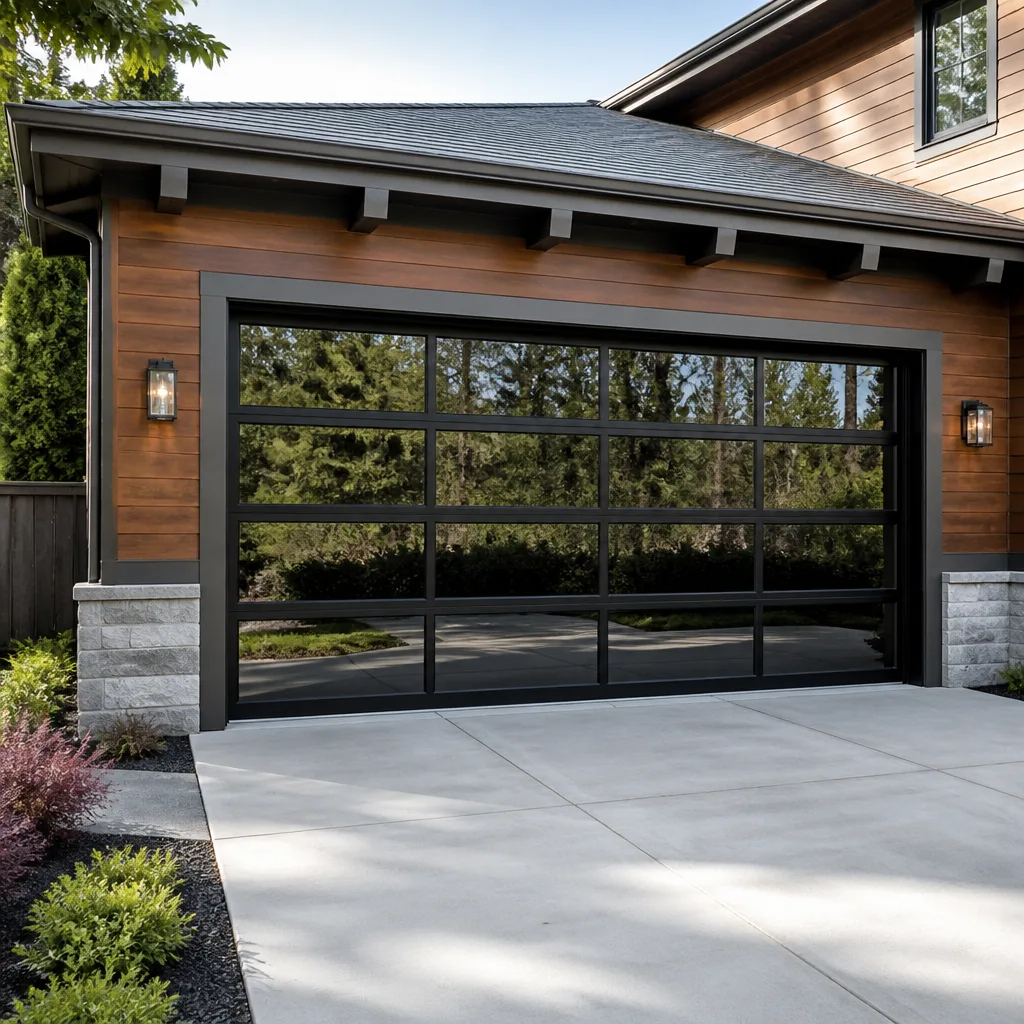 Full-view glass
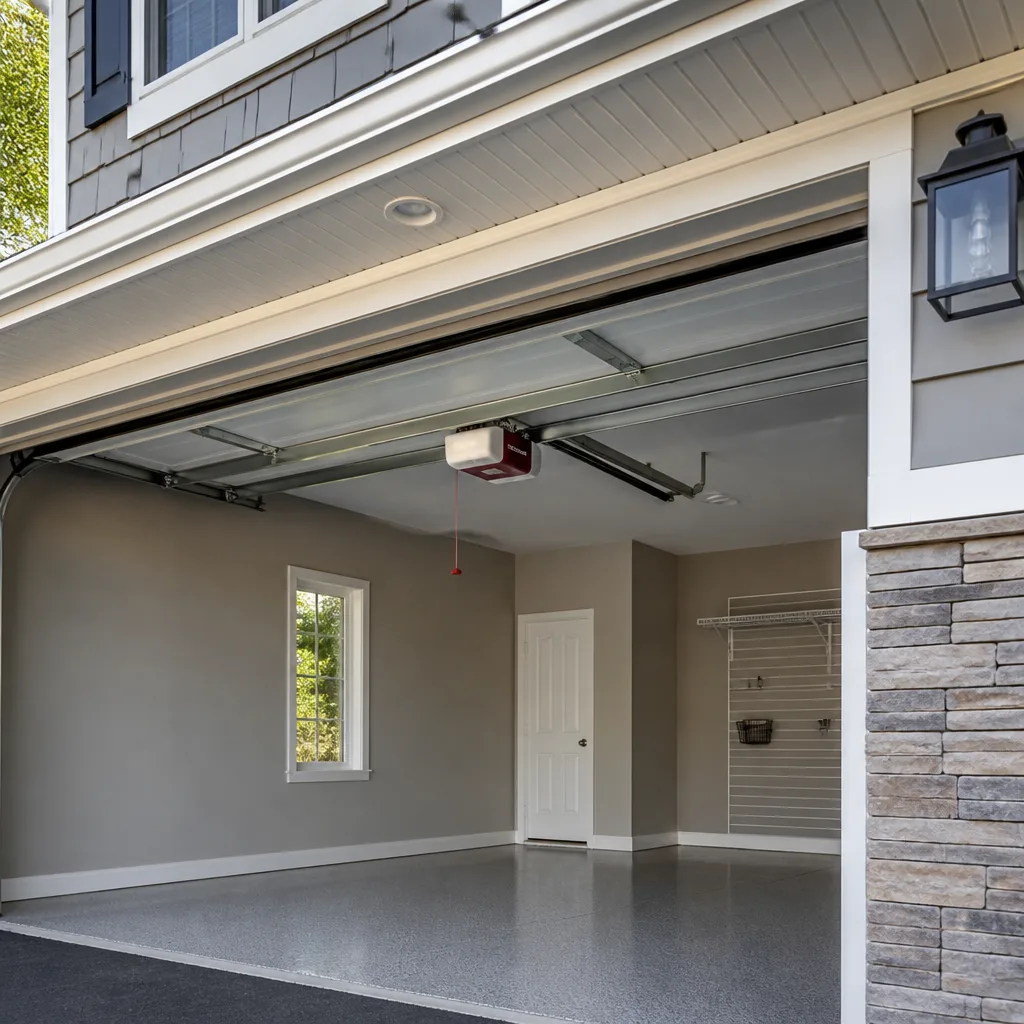 LiftMaster openers
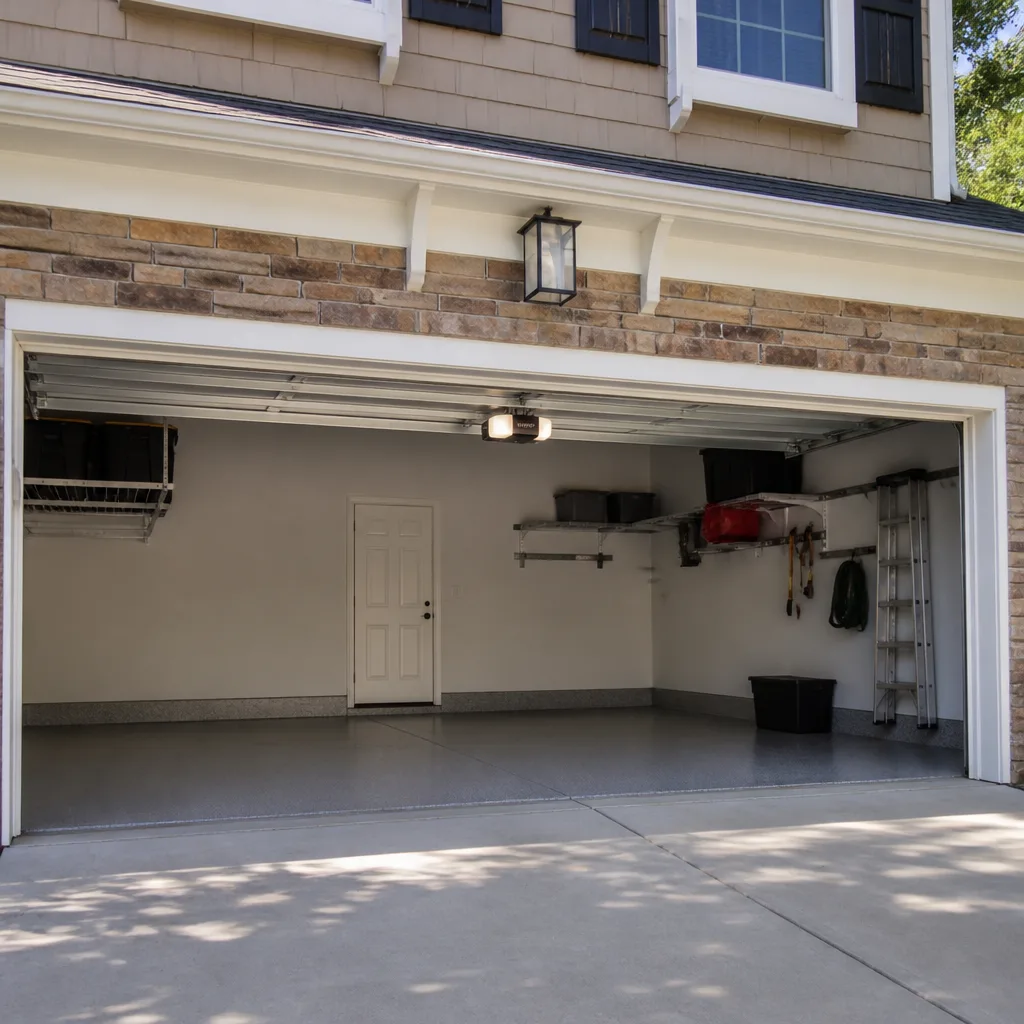 Chamberlain openers
Full 25-point door and opener safety check with every visit - springs, cables, rollers, tracks, and your LiftMaster or Chamberlain opener included
You get a price before we start. It does not change when the pro arrives.
Get your free estimateThe Complete Guide to Garage Doors in Edison
Most garage door guides are written for a generic house in a generic climate. That house doesn’t exist in Edison. Here, a split-level built in the 1970s sits a few streets from a townhome completed in the 2000s, and each one asks something different of its door and opener. Edison also sits in a humid pocket between the Raritan River basin and the air that rolls in off the coast, so steel tracks and torsion springs here live a different life than the same parts three hours inland. A manufacturer’s warranty rarely accounts for any of that. This guide does. You’ll learn how Edison’s housing stock and climate shape garage door failures, which components give out first, and when a repair is the right call versus a replacement.
Quick Answer
Garage door problems in Edison usually trace back to three causes: springs that corrode and snap faster in the local humidity, tracks and frames that shift as clay-heavy soil settles under older homes, and openers that outlive their hardware. The right fix depends on the door’s size, its age, and whether the frame itself is still square. Springs are the one component you should never touch yourself – they’re under extreme tension and can cause serious injury. For everything else, a proper inspection tells you whether you’re looking at a repair or a replacement.
Styles & brands we work with
- Raised-panel steel
- Carriage house
- Modern flush
- Full-view glass
- LiftMaster openers
- Chamberlain openers
Table of Contents
- How Edison’s Housing Stock Shapes Your Garage Door
- What the Central NJ Climate Does to Door Components
- Clay Soil, Settling, and Out-of-Square Frames
- The Door Sizes You’ll Actually Find in Edison
- Component Glossary Tied to Real Failures
- When a Repair Is a Band-Aid and When It’s the Fix
- Working With the Brand Systems Installed Here
- Diagnosing Opener Problems vs. Door Problems
How Edison’s Housing Stock Shapes Your Garage Door
Edison grew up in waves, and each wave installed a different kind of door. That matters because the failures you see in a 1975 colonial aren’t the failures in a 1990s addition or a new townhome. When our technicians walk up to a house, the build era tells them a lot before they’ve touched anything.
Here’s how the eras tend to break down:
- 1970s colonials and split-levels: single-car garages are common, often with original or once-replaced doors. These are the homes most likely to have accumulated settling in the slab and frame, and their openers are frequently older chain-drive units (Craftsman and Genie are everywhere in this vintage).
- 1980s-1990s construction: two-car garages with wider openings become standard. These doors are heavier, which puts more load on springs and openers alike. LiftMaster and Genie systems dominate this era.
- Newer townhome developments: tighter footprints, single doors, and openers built for smart-home integration. Owners here often want the door to talk to a phone app, which is where modern Genie and LiftMaster platforms come in.
The practical upshot: in Edison you’re rarely looking at a blank slate. You’re usually looking at a system with a history, and diagnosing it correctly the first time means reading that history. A door that was fine for thirty years in a dry climate may be showing its first real problems here because of what the local conditions have done to it.
If you’re not sure what era your system belongs to or whether it needs attention, a garage door repair visit starts with exactly that assessment.
What the Central NJ Climate Does to Door Components
Central New Jersey runs a genuine freeze-thaw cycle. Winters bring repeated freezing and thawing, and summers swing hard into heat and humidity. That combination is unusually tough on specific garage door parts – and it doesn’t hit them all equally.
The components that degrade fastest in this climate:
- Torsion and extension springs: humidity accelerates corrosion on the wire, and corrosion is where springs fail. A spring that would last longer in dry air can snap earlier here. This is the number one call we get.
- Steel tracks and hinges: freeze-thaw cycles work fasteners loose and let moisture into joints. Tracks drift out of alignment, and hinges start to squeal and bind.
- Weather seals and bottom rubber: summer heat bakes the seal, winter cold makes it brittle, and the cycle repeats. A cracked bottom seal lets water and cold air in.
- Painted steel and wood surfaces: the humidity swings push paint to fail faster on older doors, which then invites rust.
What holds up better: aluminum and insulated steel doors resist the moisture better than older wood, and sealed, lubricated hardware simply lasts longer. If you’ve been putting off a tune-up, the seasonal swing is the reason not to. A garage door spring repair is the most common job in this climate, and it’s also the one you should never attempt on your own – a torsion spring stores enough energy to break bones.
Clay Soil, Settling, and Out-of-Square Frames
Edison sits on clay-heavy soil, and clay does something specific: it swells when wet and shrinks when dry. Over years, that movement works on foundations and slabs. A garage floor that was perfectly level when the house was built can end up slightly out of true, and the frame holding your door can follow it.
When the frame goes out of square, the symptoms look like door problems but aren’t:
- The door binds on one side as it travels.
- A gap appears along one edge when the door is closed.
- The opener strains even though the door itself seems fine.
- Rollers wear unevenly on one track.
This is where a lot of generic troubleshooting goes wrong. Replacing the opener won’t fix a door that’s fighting a twisted frame. Forcing the door to close won’t fix it either. The real answer is to inspect the frame and track alignment first, then decide whether the door can be re-squared or whether the opening itself needs adjustment.
If you notice a persistent gap or a door that’s started to bind, it’s worth a professional look before small alignment issues turn into bent panels or a burnt-out opener motor. We can work with your insurer on covered damage, but the diagnosis comes first.
The Door Sizes You’ll Actually Find in Edison
Door size drives everything downstream – spring capacity, opener strength, replacement cost, and what options are even available to you. In Edison, two sizes dominate, and they map closely to the build eras.
| Home Era | Common Door Size | What It Means for You |
|---|---|---|
| 1970s colonials / split-levels | Single 8×7 (8 ft wide, 7 ft high) | Lighter door, single-car opening. Replacement options are broad. Often the original setup or a first replacement. |
| 1980s-1990s construction | Double 16×7 | Heavier door, two-car opening. Springs and opener carry more load. Insulated steel is common here. |
| Newer townhomes | Single, often 8×7 or 9×7 | Smart-home ready openers. Owners frequently want app control and quieter operation. |
Why this matters for replacement: a double 16×7 door weighs meaningfully more than a single 8×7, and the spring system has to be matched to that weight. A technician who doesn’t check size and weight before quoting is guessing. When we measure for a new door, the size and the weight of the door you want determine the springs, the opener, and the hardware – not the other way around.
For a full replacement, the process is measured and scheduled rather than rushed. That’s a good thing. A properly measured installation lasts years longer than a door forced into an opening that wasn’t checked. If you’re weighing a new door, garage door opener repair and door replacement often get considered together, because the opener has to handle the new door’s weight.
Component Glossary Tied to Real Failures
Definitions on their own don’t help. What helps is knowing which part fails, how it fails, and what that means for you. Here’s the working glossary our technicians use, tied to the failures we actually see in Edison.
- Torsion spring: the horizontal spring above the door that does the heavy lifting. Fails by snapping, usually from corrosion. Symptom: a loud bang, then a door that won’t lift. Never a DIY repair – it’s under extreme tension.
- Extension spring: the older style, mounted along the tracks. Fails by stretching or breaking. Same danger, same rule: professional only.
- Track: guides the rollers. Fails by bending or drifting out of alignment, often after a bump or settling. Symptom: door binds or comes off the track.
- Rollers: the wheels in the track. Fail by wearing flat or seizing. Symptom: grinding, jerky travel, squealing.
- Hinges: connect door sections. Fail by loosening or cracking under freeze-thaw. Symptom: rattling, sagging sections.
- Cables: connect springs to the door. Fail by fraying. Symptom: uneven lift, a door that hangs on one side. Cables are also under tension – professional territory.
- Opener motor and drive: the unit that raises the door. Fails by straining, stalling, or losing its logic board. Symptom: door won’t move, or moves and stops halfway.
- Safety sensors: the eyes at the bottom of the opening. Fail by misalignment or dirt. Symptom: door closes partway and reverses.
When you can name what’s failing, you stop paying for the wrong fix. That’s the whole point of the glossary.
When a Repair Is a Band-Aid and When It’s the Fix
Here’s the question that saves Edison homeowners the most money: is the part failing, or is the system around it failing? A repair is the right call when a single component has worn out and everything else is sound. It’s a band-aid when the underlying frame, track, or opener is the real problem.
Repair is usually right when:
- One spring broke but the hardware and frame are fine.
- A single roller or hinge has worn and the rest check out.
- The opener needs a component or a sensor adjustment.
- A track took a hit but can be realigned.
Replacement of the component or the whole door is the honest answer when:
- The frame or slab has settled enough that the door can’t be re-squared.
- Multiple springs, cables, and hinges are all near end of life at once.
- The door panels are cracked, warped, or badly rusted through.
- The opener is straining against a door that’s too heavy for it.
We say this plainly because guessing costs you. A repaired door that’s fighting a bad frame will fail again, and a replaced opener bolted to a failing door only masks the real problem. Diagnosing it correctly the first time is the difference between one visit and three.
When the whole system needs replacing, a garage door repair conversation should quickly become a replacement plan with a written price, not a series of patch jobs. Edison Garage Door Repair Pros connects you to local professionals who work on your exact system, so the diagnosis reflects what’s actually there.
Working With the Brand Systems Installed Here
Edison homes are full of name-brand hardware. Most of it comes from a handful of manufacturers, and knowing those systems well means the technician arrives knowing your equipment, not guessing at it. Our technicians work on eight of the industry’s most widely installed brands, including Clopay, Amarr, Wayne Dalton, Genie, LiftMaster, Chamberlain, Craftsman, and Raynor.
Why that breadth matters in practice:
- Doors: Clopay, Amarr, and Wayne Dalton doors are common on Edison homes. Each has its own panel construction and hardware, so replacement and repair parts need to match the actual door, not a lookalike.
- Openers: Genie, LiftMaster, Chamberlain, and Craftsman units cover the vast majority of local garages. Each platform has its own quirks – sensor logic, drive systems, safety reverse behavior.
- Smart-home platforms: LiftMaster’s myQ and the Genie Aladdin systems let owners check and control the door from a phone. Newer townhome owners often want this; older homes can add it.
This is where a specialist earns their keep. A generalist handyman may know how a generic opener is supposed to work, but not the specific behavior of your Chamberlain or your Wayne Dalton door. The difference shows up in diagnosis: a system that’s diagnosed correctly the first time gets one visit, not two.
Diagnosing Opener Problems vs. Door Problems
A surprising share of “my opener is broken” calls turn out to be door problems. The opener is the messenger, not the culprit. Knowing the difference saves you from paying for an opener you didn’t need.
Work through it in this order:
- Is the door itself moving freely? Disconnect the opener (most have a manual release) and lift the door by hand. A properly balanced door should lift easily and stay put about halfway up. If it’s heavy or won’t stay, the problem is the door’s balance – usually springs.
- Do the safety sensors work? Check that the eyes at the base are aligned and clean. A door that closes partway and reverses is usually a sensor issue, not a motor issue.
- Does the opener run but the door doesn’t move? That points to the drive or the connection, not the motor.
- Does the opener strain or stall? Often a sign the door is too heavy for the opener – a balance or spring problem, not a motor failure.
- Does the opener click but not move the door? That can be a logic board or a drive issue, which is a garage door opener repair job.
If you work through those five steps and you’re still not sure, don’t force the door. An opener straining against a stuck door burns out fast, and a bent panel is more expensive than an inspection. We answer 24/7. Fast dispatch from 7am to 7pm, Sunday through Friday, when a door leaves you locked out or won’t shut.
Common Mistakes to Avoid
- Forcing a door that won’t move. If the door is jammed, forcing it bends panels and damages tracks. Stop and call a pro – a bent panel costs more than a repair.
- Treating the opener as the culprit. In Edison’s older homes, a strained opener is usually fighting a door it can’t lift. Replacing the opener without checking balance wastes money and repeats the failure.
- Replacing one spring in a matched pair. When two springs are matched and one breaks, the other is usually near the end of its life. Replacing both is the reliable fix; we quote one spring versus a pair honestly.
- Ignoring a gap at the edge of the door. In a split-level or colonial on Eden’s clay soil, a new gap often means settling, not a seal problem. Treat the cause, not the symptom.
- DIY spring work. This is the one mistake with real danger attached. Springs and cables are under extreme tension and can cause severe injury. Leave them to a trained professional.
- Skipping the tune-up until something breaks. Lubrication and alignment checks in the shoulder seasons prevent most of the corrosion and binding that big failures grow out of.
- Buying a new door without measuring the opening. A door sized by guesswork won’t seal or balance right. Always measure – and have the measurement checked – before ordering.
See the difference
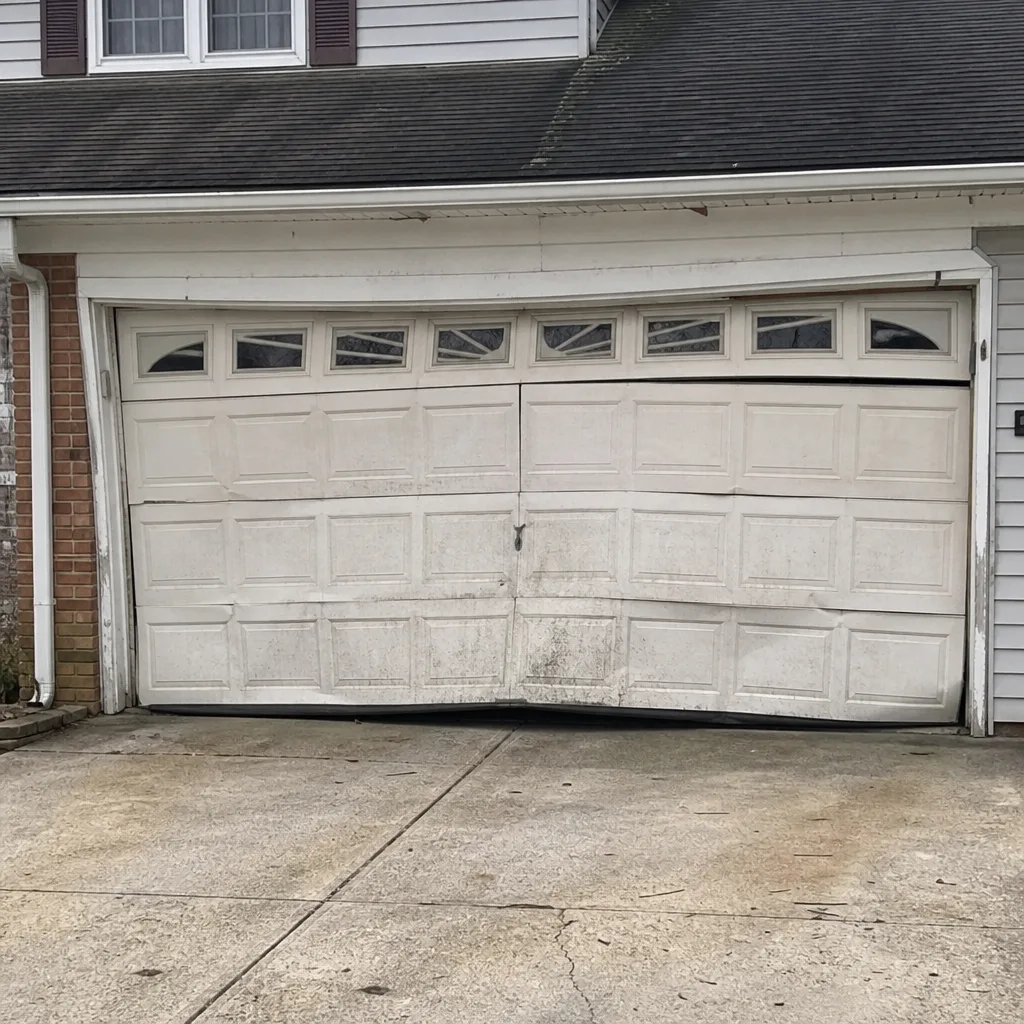 Before
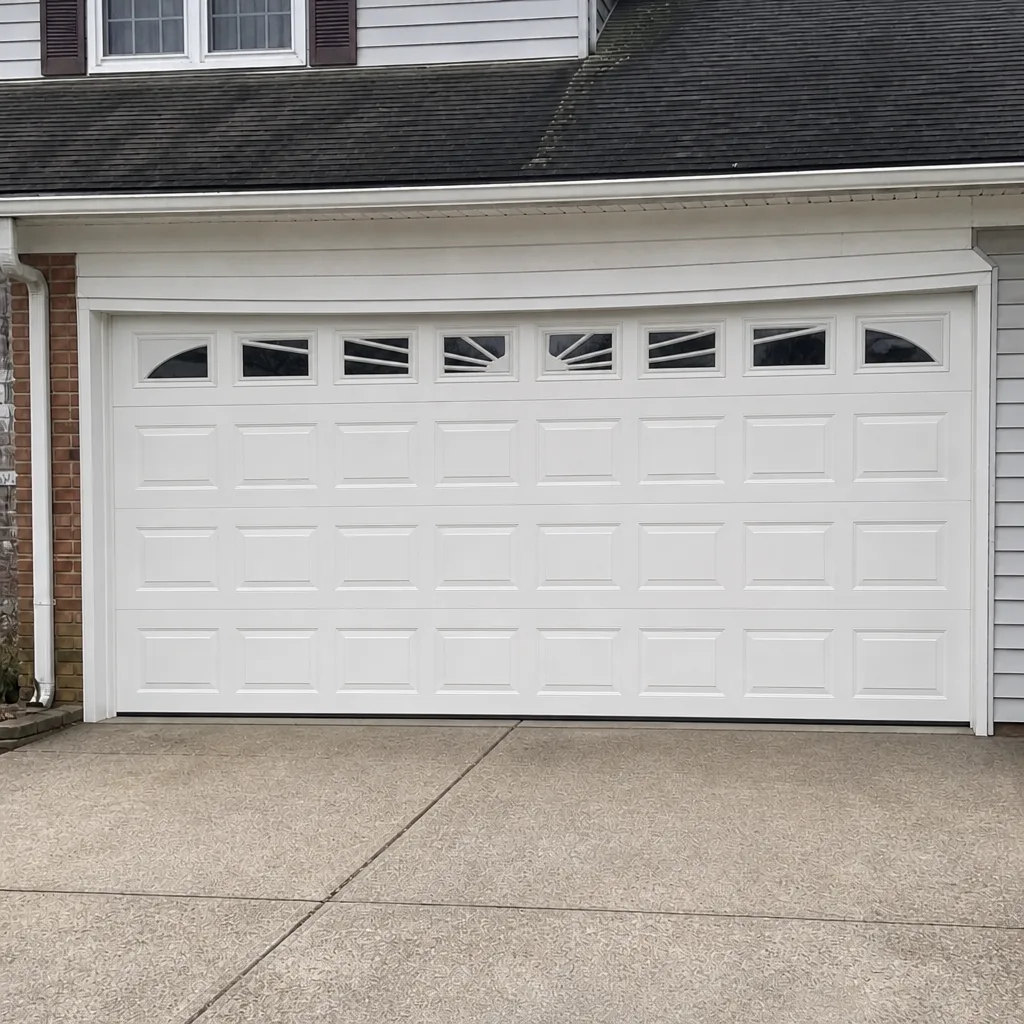 After
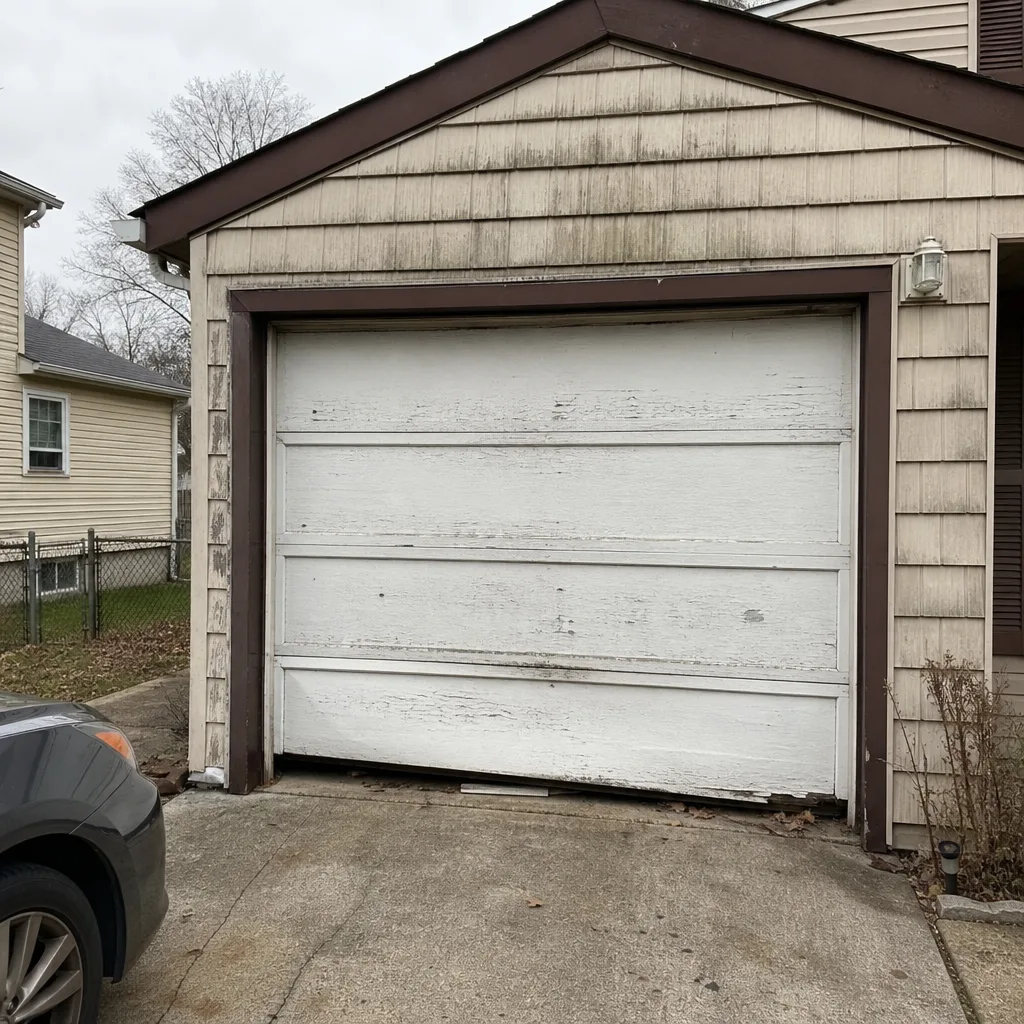 Before
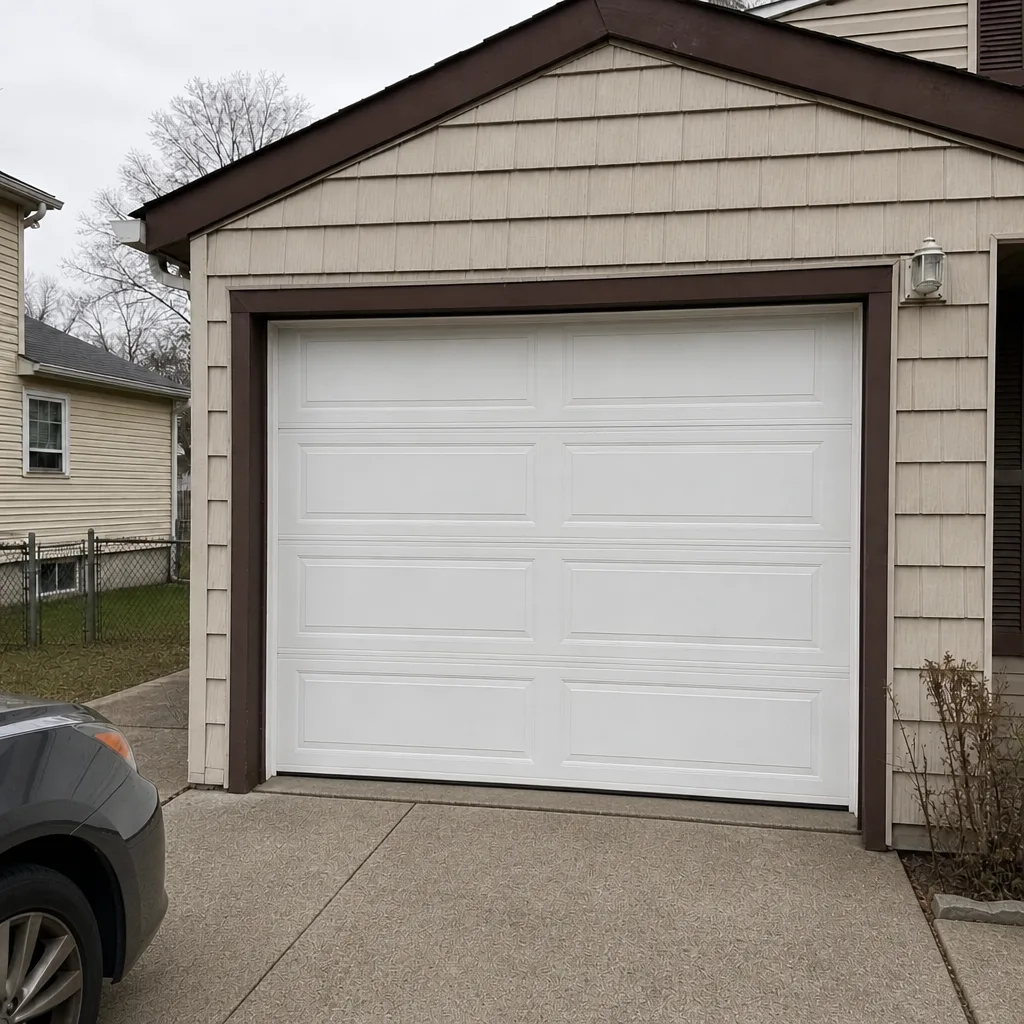 After
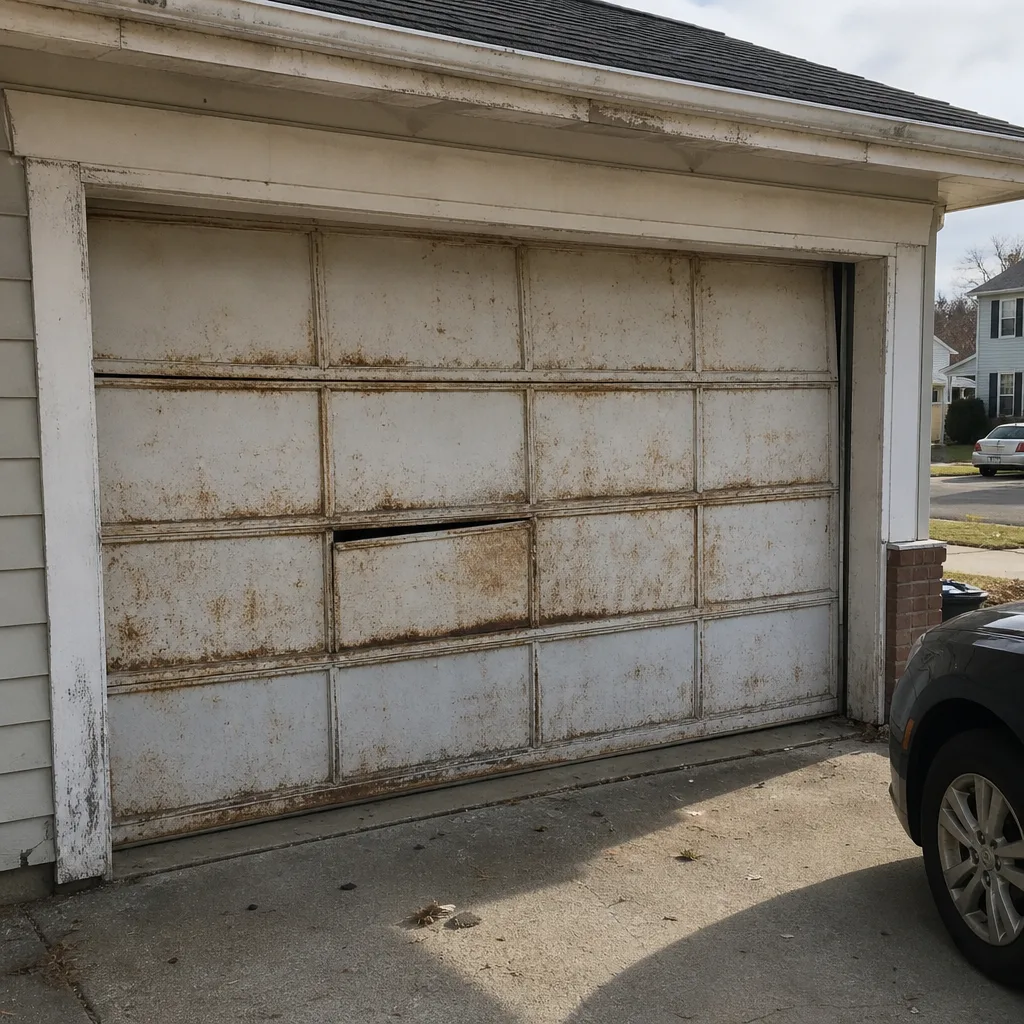 Before
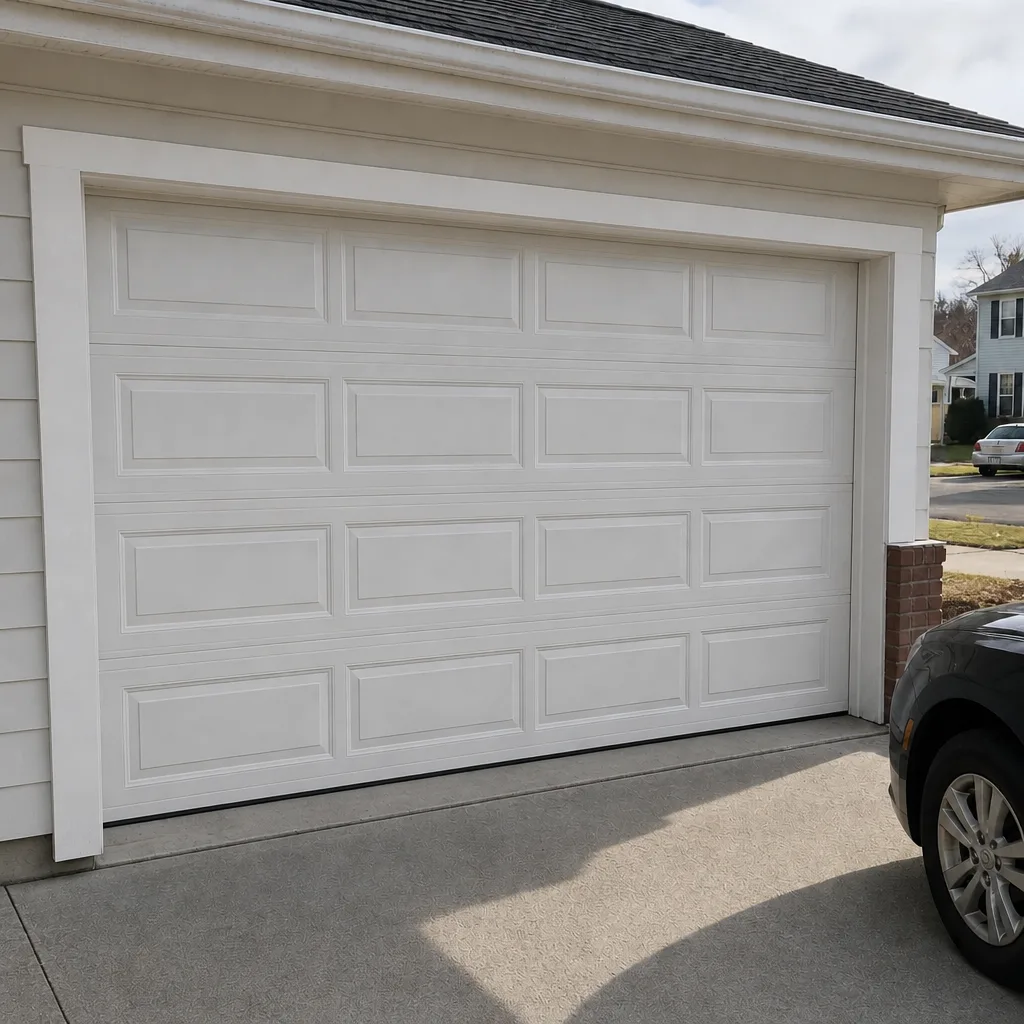 After
When to Call a Professional
Some jobs are worth a call, and a few are non-negotiable. Call a professional if a spring has snapped, if the door won’t lift or won’t close all the way, if you hear grinding or see the door coming off the track, or if the opener strains and stops. Cables, springs, and torsion systems should never be touched by anyone untrained – the stored energy is genuinely dangerous. If the door has left you locked in or locked out, emergency response is in scope, not an add-on. Edison Garage Door Repair Pros offers free estimates in Edison – call (855) 506-5081. We answer 24/7. Fast dispatch from 7am to 7pm, Sunday through Friday.
Frequently Asked Questions
Most single-component repairs in the Edison market land in the low-to-mid hundreds of dollars, with spring and opener jobs at the higher end and simple adjustments at the lower end. Prices vary with the part, the brand, and the door’s size – a double 16×7 door costs more to work on than a single 8×7. Every price we quote is set by a written estimate before any work starts, so there’s no surprise on the invoice. Call (855) 506-5081 for an exact quote – estimates are free.
Yes, in most cases – stuck doors and non-closing doors are the calls we prioritize, and same-day service is often possible. We answer 24/7, with fast dispatch from 7am to 7pm, Sunday through Friday. A call outside dispatch hours is booked into the next opening, Sunday through Friday, 7am to 7pm. Call (855) 506-5081 and we’ll tell you the soonest we can get there.
No – the written estimate is the price. We look at the door before we quote, so the number reflects what’s actually there: the door’s size, its brand, and what’s failed. The price is quoted and agreed before any work starts. If we find something the initial look missed, we tell you before touching it. Call (855) 506-5081 for a free estimate.
The local professional we connect you with is licensed and insured as New Jersey requires. Our technicians have up to 11 years of experience and work on your exact system, including the major door and opener brands installed across Edison. Call (855) 506-5081 to talk through your door.
Corrosion is the usual cause. Edison’s humidity – fed by the Raritan River basin and coastal air – accelerates rust on the spring wire, and rust is where springs fail. Add the region’s freeze-thaw cycle and you get springs that give out sooner than they would in drier climates. A matched pair usually fails close together, which is worth knowing before you replace one. Call (855) 506-5081 if yours has snapped.
Repair if one component has worn and the frame, track, and door itself are sound. Replace if the frame has settled out of square, the panels are cracked or warped, or multiple components are near end of life at once. In Edison’s older homes, the age and settling of the structure often decide it. A free estimate tells you which side of the line you’re on. Call (855) 506-5081.
The Bottom Line
Garage doors in Edison fail for specific, recurring reasons: humidity that corrodes springs, clay soil that works frames out of square, and openers outliving the hardware they lift. The door sizes differ by era – single 8×7 in older colonials, double 16×7 in later additions – and each asks something different of its springs and opener. Fix the cause, not the symptom, and match your parts to your actual system. Springs and cables are the one thing to leave to a trained professional. When something needs a look, start with a free estimate, an upfront price, and a written quote before any work begins. Written by the team at Edison Garage Door Repair Pros.
Call (855) 506-5081 for a free estimate. We answer 24/7. Fast dispatch from 7am to 7pm, Sunday through Friday.