
Last updated November 22, 2026
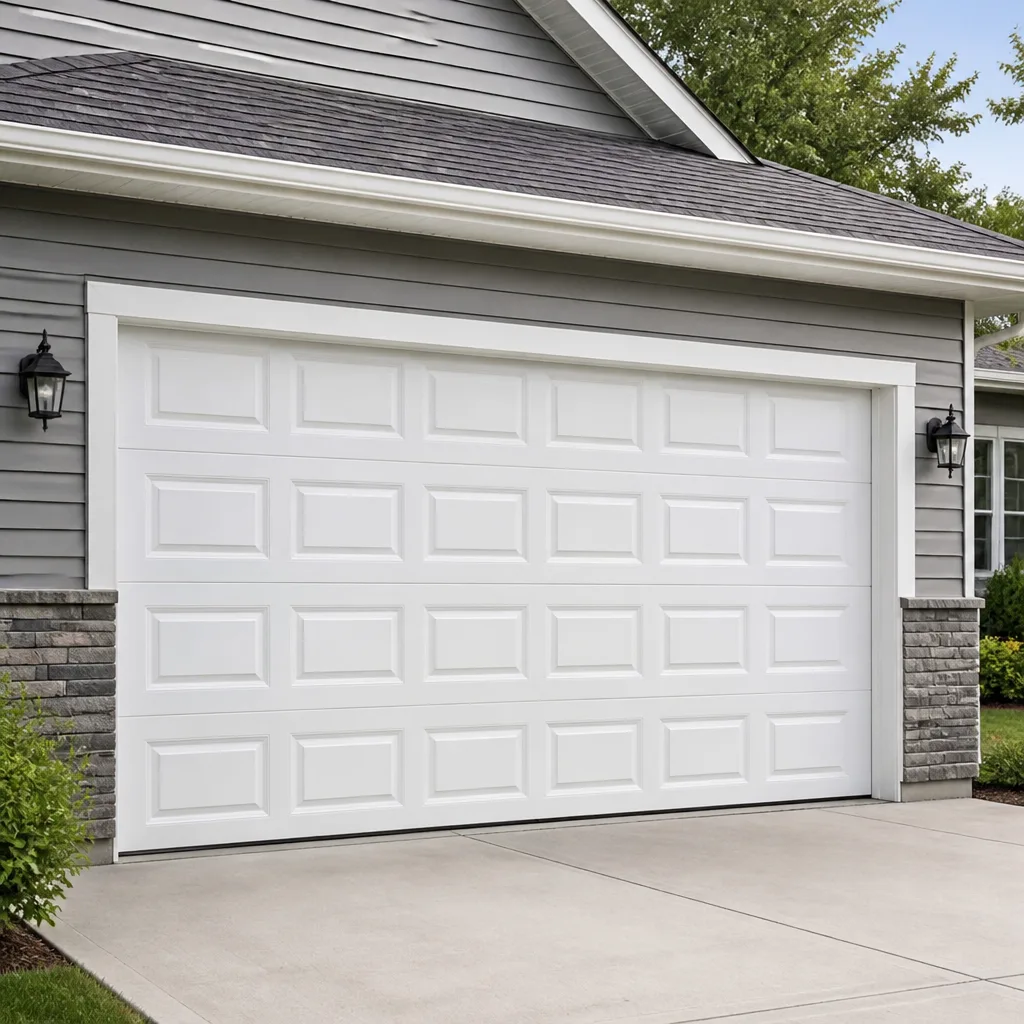 Raised-panel steel
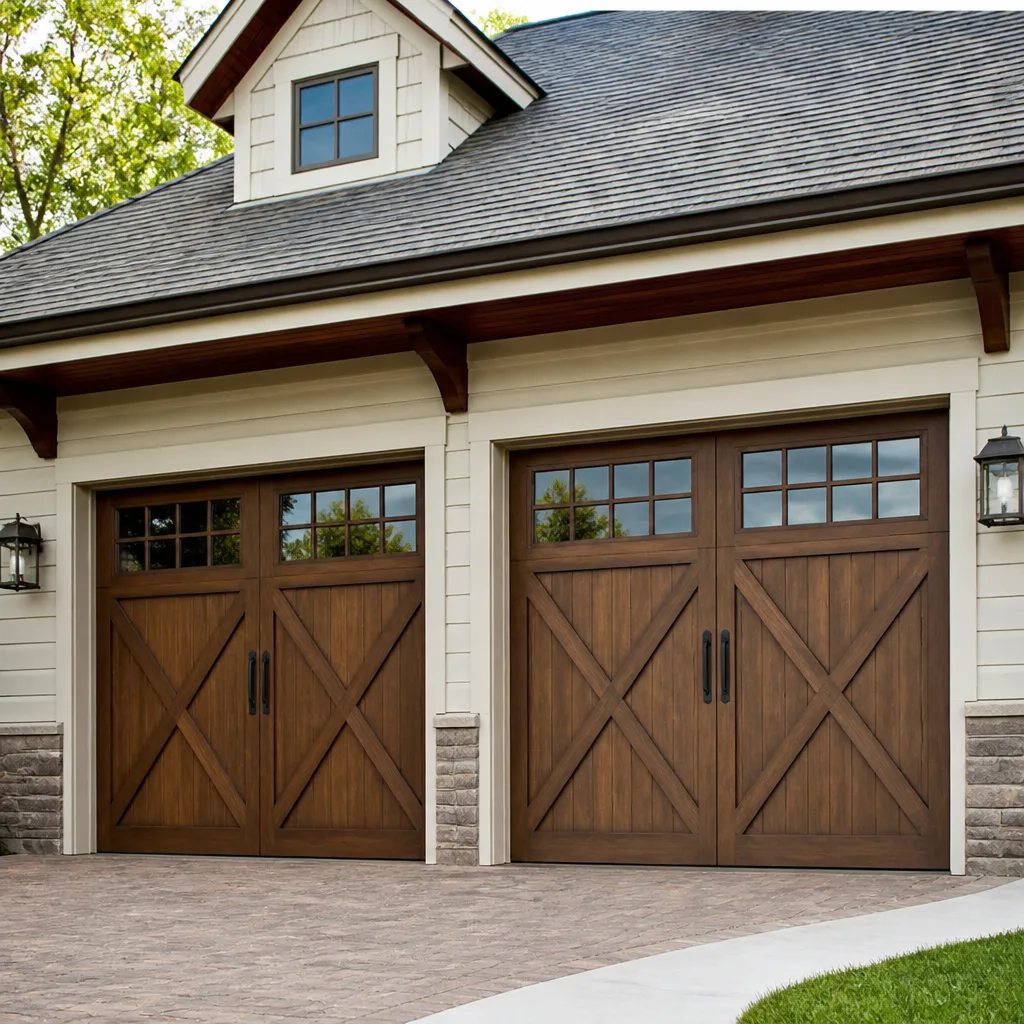 Carriage house
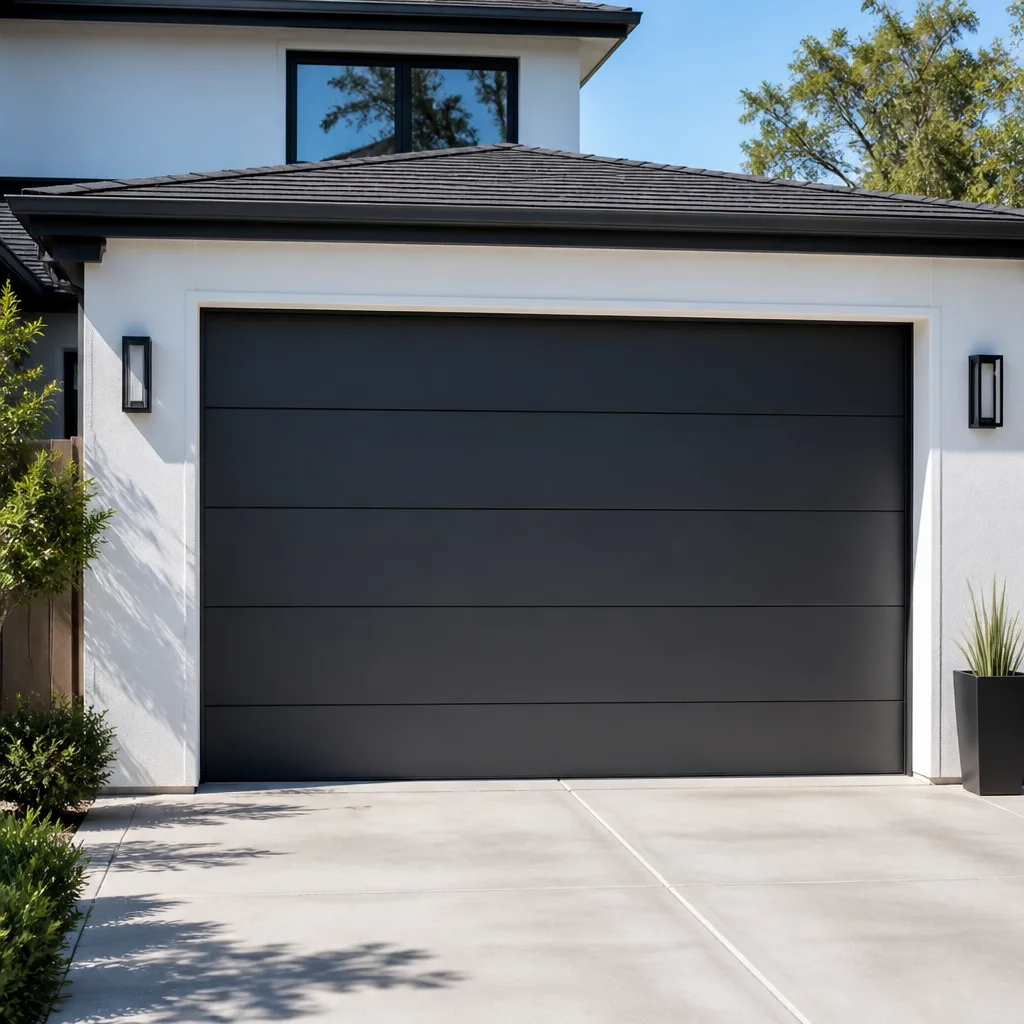 Modern flush
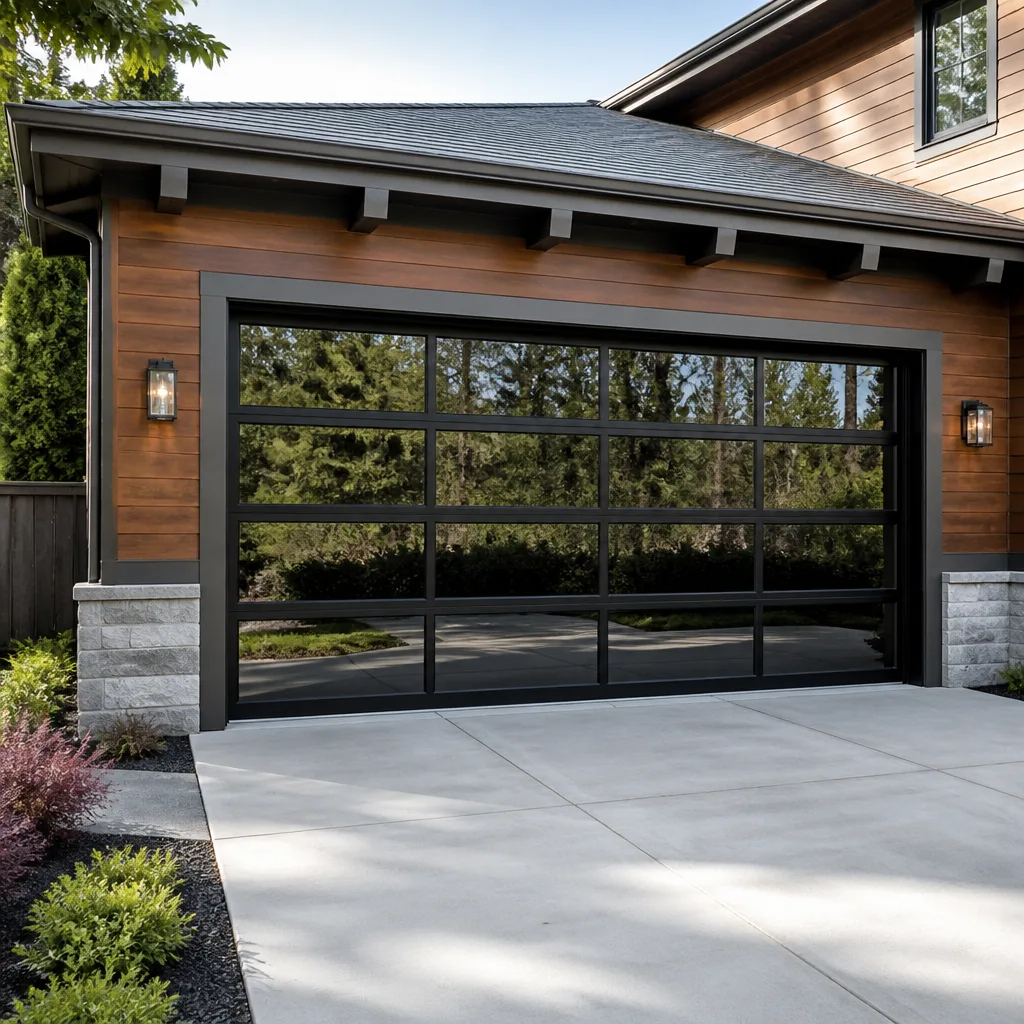 Full-view glass
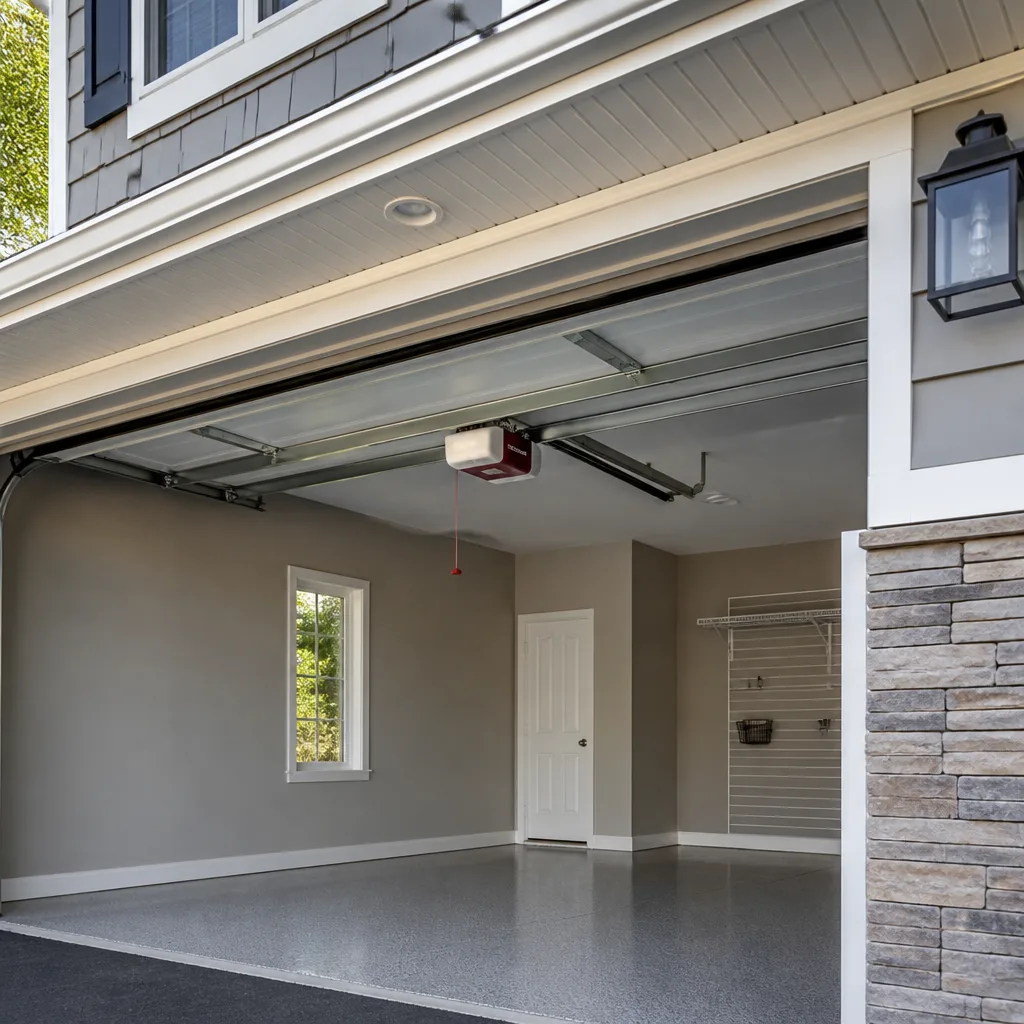 LiftMaster openers
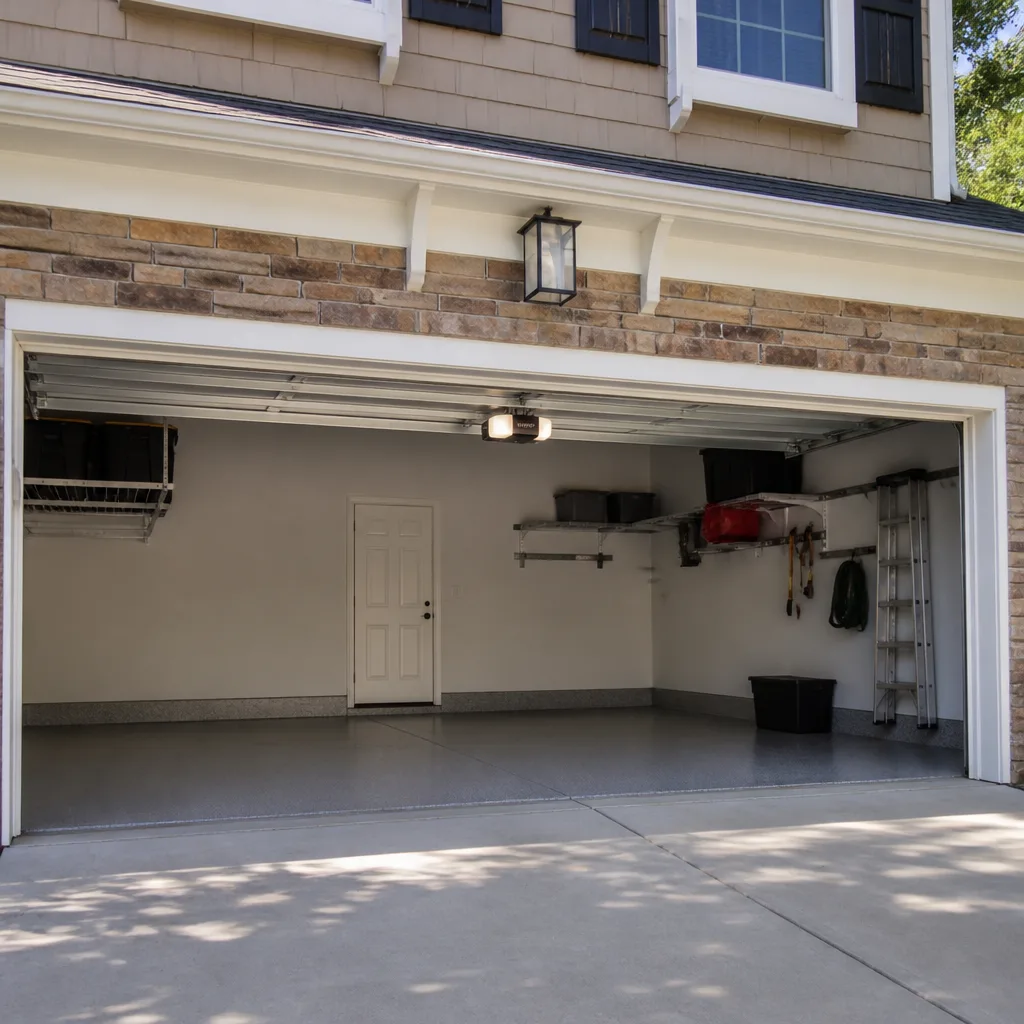 Chamberlain openers
Full 25-point door and opener safety check with every visit - springs, cables, rollers, tracks, and your LiftMaster or Chamberlain opener included
You get a price before we start. It does not change when the pro arrives.
Get your free estimateChoosing the Right Garage Door Brand: A Buyer’s Guide for Edison
Most garage door buying guides rank brands by how the door looks under showroom lighting and what the sticker price says. That’s how you’d pick a tire by staring at a display wall. What actually decides whether a door holds up in Edison is steel gauge, insulation core, and hardware tolerances, tested against five winters of Central New Jersey humidity and freeze-thaw cycling. We work on every brand in this guide, so we don’t have a horse in the race. What we can do is tell you which specifications carry real weight here, which brands you can actually get parts for, and how each profile fits the housing stock around Edison.
Quick Answer
For most Edison homes, a mid-range insulated steel door from Clopay or Amarr, paired with a Chamberlain or Genie opener, is the practical sweet spot: solid steel gauge, decent thermal performance, and parts that are locally available when something breaks. Premium brands only pay off if your opening, climate demands, and service access all line up. The right brand is the one you can still get parts for in five years, not the one with the prettiest showroom sample.
Styles & brands we work with
- Raised-panel steel
- Carriage house
- Modern flush
- Full-view glass
- LiftMaster openers
- Chamberlain openers
Table of Contents
- What Actually Matters in Edison’s Climate
- Head-to-Head: Comparing the Top Eight Brands
- Parts Availability: The Spec Nobody Checks
- Brand-Specific Failure Patterns We See in Edison
- The Price-Tier Trap
- Matching Brand and Model to Edison’s Housing Stock
- A Step-by-Step Brand Selection Checklist
- Common Mistakes to Avoid
- When to Call a Professional
- Frequently Asked Questions
What Actually Matters in Edison’s Climate
A garage door in Edison lives a harder life than one in a mild, dry climate. Central New Jersey swings from humid summer stretches that push wood components to swell and steel panels to sweat, to winter freeze-thaw cycles that work on every seam, gasket, and fastener. A door that looks flawless in a climate-controlled showroom can develop warped panels or binding rollers within a few seasons here if the materials aren’t matched to the conditions.
Three specifications carry the most weight in this climate:
- Steel gauge. A 24-gauge steel face resists denting and holds its shape through thermal cycling better than 27-gauge or thinner skins. Thinner steel is where panel buckling starts. For a door facing a sunny Edison driveway, a heavier face is worth the money.
- Insulation core and R-value. An insulated core slows heat transfer and, more importantly here, keeps the door from acting like a condensation surface in humid months. Polystyrene cores are the value option; polyurethane holds a higher R-value at the same thickness and resists moisture better.
- Hardware tolerances. Hinges, roller brackets, and bottom seals take the load. Tighter tolerances mean less slop, quieter travel, and fewer fatigue failures on brackets over the door’s life. This is where bargain hardware fails first.
Warranty terms deserve a plain-language read too. A lifetime warranty on the door sections means little if it excludes the finish, the hardware, or labor. Look for what’s actually covered and for how long, and ask whether the parts are available through the distributor that serves the Central NJ market. We’ve seen plenty of doors where the warranty was fine and the parts supply wasn’t. If something does give out, our garage door repair work starts with reading the actual hardware on your door rather than assuming what’s there.
Head-to-Head: Comparing the Top Eight Brands
The eight brands most often installed in North American homes – LiftMaster, Chamberlain, Genie, Clopay, Amarr, Wayne Dalton, Craftsman, and Raynor – divide into two groups. Four make doors, four make openers, and a few overlap. Here’s how they stack up on the specs that matter for an Edison installation.
Door brands
- Clopay. Widely stocked in Central NJ, with a strong range of insulated steel profiles from value to premium. Steel gauges run from 27 up to 24, and insulation options cover both polystyrene and polyurethane. Parts access is reliable, which matters more than any single spec.
- Amarr. Known for solid mid-range steel doors with dependable finishes. Insulation options are competitive, hardware tolerances are consistent, and the profiles fit standard openings well. A strong pick for a colonial with a standard two-car opening.
- Wayne Dalton. Broad lineup including models with distinctive hardware. Quality is solid, but parts for some model lines run through fewer local distributors, so check availability before committing to a premium model.
- Raynor. Commercial-grade durability filter into their residential line. Heavier steel and strong hardware, but the premium tier only earns its price if you need that duty rating.
Opener brands
- LiftMaster. Broad compatibility, myQ smart-home integration, and strong parts availability. A safe default for most Edison homes, whether you’re replacing a legacy unit or adding smart control.
- Chamberlain. Shares engineering lineage with LiftMaster and is widely stocked. Good smart-home support and dependable motors. A sound choice when you want modern connectivity without a premium price jump.
- Genie. Aladdin Connect for smart-home control and a solid line of belt and chain drive units. Compatibility with older doors is generally strong, which helps in Edison’s older housing.
- Craftsman. Legacy units are everywhere in this area. Parts for older Craftsman openers can be harder to find, so a repair sometimes becomes an upgrade conversation. For opener work specifically, see garage door opener repair.
The honest read: on doors, Clopay and Amarr are the two most Edison-friendly options because of local parts depth. On openers, LiftMaster and Chamberlain are the most straightforward. That’s not a knock on the others – it’s about what you can service when something fails.
Parts Availability: The Spec Nobody Checks
A garage door brand with weak regional parts distribution is a liability no matter how good its showroom sample looks. When a spring, roller bracket, or opener gear fails, the repair window is set by how fast the part arrives, not by how fast a technician can get to your door. In our experience, this is the single spec buyers overlook, and it’s the one that costs them the most time.
There’s a real split in Central NJ:
- Same-day or next-day stock. Clopay and Amarr hardware and common opener parts from LiftMaster and Chamberlain are typically available through local distributors. A standard repair usually doesn’t wait on a part.
- Extended lead times. Some premium Wayne Dalton and Raynor model lines, along with certain Craftsman legacy opener parts, can run five to ten days when the part isn’t in local stock. If your door is your only vehicle exit, that wait matters.
How to check before you buy:
- Ask the seller or installer which distributor serves Edison and whether common parts for that model are stocked locally.
- Ask specifically about the parts that fail: springs, roller brackets, hinges, and opener gears.
- Ask what the lead time is on a replacement panel if one gets damaged.
- Confirm the opener’s logic board is available locally, not just the motor.
This is where brand knowledge stops being abstract. When a technician knows your exact system, diagnosis is faster and the right part is ordered the first time. The local pros we connect you with work across all eight brands, so the recommendation follows your door, not a stock list. For the high-tension jobs, garage door spring repair is a trained specialty, and parts availability often decides whether it’s a same-day fix.
Brand-Specific Failure Patterns We See in Edison
Every brand has predictable wear points, and knowing them helps you buy better and service smarter. These are general patterns, not stories about a particular job. They’re what a technician notices across many doors of the same make in this climate.
Panel warping
Thinner steel faces and certain finish systems are more prone to panel warping under thermal cycling. In Edison’s humid summers and freezing winters, a door with a lighter gauge and a weaker finish can show rippling or buckling along the panel face after several seasons. Heavier steel with a bonded finish resists this.
Roller bracket fatigue
Bracket fatigue shows up as doors that grab, squeal, or jump the track. Brands with lighter bracket stampings tend to develop fatigue sooner on doors that get daily use. Upgrading to heavier brackets at installation is often the cheapest insurance you can buy.
Opener compatibility
Legacy Craftsman and some older Genie units have compatibility quirks with modern safety sensors and smart-home modules. Mixing a new opener with an older door can also create balance issues if the door’s springs weren’t re-tensioned. This is why we work on your exact system rather than a generic approximation – the opener, door, and springs have to be matched.
Seal and gasket wear
Bottom seals take the brunt of freeze-thaw cycles. A stiff or cracked seal lets in moisture and drafts and lets pests in. It’s a small part with an outsized effect on a door’s performance in this climate, and it’s easy to replace once you know to look.
None of these patterns is a reason to avoid a brand. They’re reasons to match the model to your use and to service the wear points before they cascade into bigger problems.
The Price-Tier Trap
It’s tempting to assume a premium door is always better than a mid-range one. That logic breaks down when the premium brand has weak regional service infrastructure. A mid-range door from Clopay or Amarr, with parts on the shelf through a Central NJ distributor, will often outperform a premium door from a brand whose replacement panels take a week and a half to arrive. Performance isn’t just the product – it’s the product plus the service network behind it.
Here’s how to think about the price tiers:
- Value tier. Thinner steel, basic insulation or none, lighter hardware. Fine for a rarely used door or a shed-style structure, less suited to a daily-use two-car door in Edison’s climate.
- Mid-range tier. 24- to 25-gauge steel, polystyrene or polyurethane insulation, consistent hardware. This is the tier where the price-to-performance math works for most Edison homes, especially with strong local parts access.
- Premium tier. Heavier steel, high R-value cores, upgraded hardware, sometimes custom sizes or finishes. Worth it when you need the duty rating, the thermal performance, or the look – and when the parts pipeline is solid.
The trap is paying premium prices for a door whose hardware and panels you can’t get quickly. Before you sign, weigh the door’s specs against the service reality of that specific model in this market. That’s a conversation worth having with someone who works on the equipment, not just someone who sells it. A properly diagnosed installation starts with garage door repair thinking applied to the new door: what will fail first, and can we get the part? Our technicians have up to 11 years of experience reading exactly that question.
Matching Brand and Model to Edison’s Housing Stock
Edison’s housing stock runs the range, and standard 1980s colonial openings are the most common frame a new door has to fit. The good news is that most standard two-car openings in these homes take a stock door profile without custom header work. The complication shows up when a door was sized for an older model with different panel widths, or when a previous replacement added framing.
Here’s how to match brand and model to your opening:
- Measure the rough opening – width, height, and headroom. Most standard colonial openings fall into stock sizes a Clopay or Amarr distributor carries.
- Check headroom for the opener and hardware. Low-headroom setups need a low-headroom track and a compatible opener, which narrows the model list.
- Confirm the panel profile fits the frame. Some premium profiles need framing adjustments; standard profiles don’t.
- Match the opener to the door’s weight and balance. A heavier insulated door needs an opener rated for it.
- Plan for the seal and threshold so the new door closes flush against a level surface after freeze-thaw seasons.
When a door won’t fit a standard profile, the fix is usually framing adjustment rather than a custom door – but you want to know that before you order. A free measure and a written estimate settle the fit question, and the written estimate sets the final price. New installation is scheduled work: it’s measured, ordered, and fitted, not something that happens the same day. If you want the full picture of how we approach it, our parent page at Edison Garage Door Repair Pros lays out the scope.
A Step-by-Step Brand Selection Checklist
Use this to compare brands on paper before a single sample sways you. It’s ordered so the highest-stakes questions come first.
- Confirm local parts depth. Ask which distributor serves Edison and whether springs, brackets, panels, and opener boards are stocked. This is the deciding factor.
- Match steel gauge to use. Daily-use two-car doors in this climate benefit from 24- to 25-gauge steel over thinner skins.
- Choose insulation for the climate. Polyurethane cores handle Edison’s humidity better than polystyrene if you’ll use the garage as living space or a workshop.
- Read the warranty line by line. Note what’s covered, for how long, and whether labor is included.
- Pair the opener to the door. Match LiftMaster, Chamberlain, or Genie units to the door’s weight and headroom, and confirm smart-home needs.
- Check the hardware grade. Heavier brackets and hinges buy you years of quieter travel.
- Verify the finish system. A bonded finish resists the thermal cycling that warps cheaper panels.
- Measure the opening. Confirm the model fits your frame without custom header work.
Run this list against any brand and the answer usually falls out. Brands that pass steps one and four are the ones worth the rest of the conversation.
Common Mistakes to Avoid
- Choosing by showroom finish. A paint sample tells you nothing about steel gauge, insulation core, or how the door holds up after several freeze-thaw seasons in Edison. Judge the specs, not the swatch.
- Ignoring local parts availability. A premium door with a five- to ten-day parts lead time can leave your garage unusable longer than a mid-range door with stocked parts. Check the distributor before you commit.
- Buying a door the opener can’t lift. An insulated door weighs more than a basic one. A mismatched opener strains, fails early, or won’t lift the door at all.
- Overlooking the seal and threshold. A stiff bottom seal is a small part that lets in moisture and drafts. It’s easy to replace and worth checking before a new door goes in.
- Assuming a warranty covers what breaks. Many warranties exclude the finish, hardware, or labor. Read the exclusions before you assume you’re covered.
- Buying a custom-profile door for a standard opening. Most Edison openings take stock profiles. Custom framing only makes sense when the frame truly needs it.
- Skipping the measure. Ordering without confirming headroom and rough-opening dimensions is how a scheduled installation turns into a return and reorder.
When to Call a Professional
Some decisions are best made with eyes on the actual door. If the door won’t balance, if it’s grabbing or jumping the track, if the opener cycles or reverses on its own, or if you’re weighing a new door against a repair, a trained technician can diagnose it correctly the first time. Springs and cables are under extreme tension and are dangerous to touch – that’s not a job to attempt yourself. If your door fails and locks you in or out, that’s an emergency call, and we’re equipped to respond. We answer 24/7. Fast dispatch from 7am to 7pm, Sunday through Friday, and we’re closed on Saturday.
Edison Garage Door Repair Pros offers free estimates in Edison – call (855) 506-5081. The price is quoted and agreed before any work starts, so the written estimate sets the final price, not a surprise invoice.
Frequently Asked Questions
For most Edison homes, Clopay or Amarr in an insulated steel mid-range model is the best fit because parts are available locally through Central NJ distributors. LiftMaster or Chamberlain openers pair well with those doors. Premium brands like Raynor earn their price when you need the heavier duty rating, not by default.
Ask the seller or installer which distributor serves the Edison area and whether the parts that fail most – springs, roller brackets, hinges, and opener boards – are stocked locally. A five- to ten-day lead time on those parts extends a repair window, so it’s worth asking before you buy. Call (855) 506-5081 for an exact quote – estimates are free.
No. A mid-range door from a brand with strong local parts access often outperforms a premium door from a brand with weak regional service. The door’s real performance includes how fast it can be repaired, so the price-tier math depends on the service network behind the brand.
Look for a polyurethane core rather than polystyrene if you use the garage as living space or a workshop; polyurethane holds a higher R-value at the same thickness and handles humidity better. For a basic door that only stores vehicles, a polystyrene core is adequate. A technician can match the core to how you use the space.
Legacy Craftsman and some older Genie units are the most likely to have quirks with modern safety sensors and smart-home modules. A new opener mixed with an older door can also create balance issues if the springs weren’t re-tensioned. Matching the opener to the door is the fix.
Most standard two-car openings in Edison’s 1980s colonial homes take a stock door profile without custom header work. The exception is a door sized for an older model with different panel widths, or one where a previous replacement added framing. A free measure settles it, and a scheduled installation follows.
We answer 24/7, and emergency service is a core offering rather than an add-on. Fast dispatch runs 7am to 7pm, Sunday through Friday, and we’re closed on Saturday. Call (855) 506-5081 for help.
The Bottom Line
The right garage door brand in Edison is the one whose steel gauge and insulation core suit this climate and whose parts stay in reach through a Central NJ distributor. Clopay and Amarr are the most Edison-friendly door brands for most homes. LiftMaster and Chamberlain are the most straightforward opener choices. Match the model to your opening, pair the opener to the door’s weight, and run the selection checklist before you buy. When you’re ready to have the door measured and quoted, the written estimate is where the price is set. Call (855) 506-5081. We answer 24/7. Fast dispatch from 7am to 7pm, Sunday through Friday.
Written by the team at Edison Garage Door Repair Pros.
See the difference
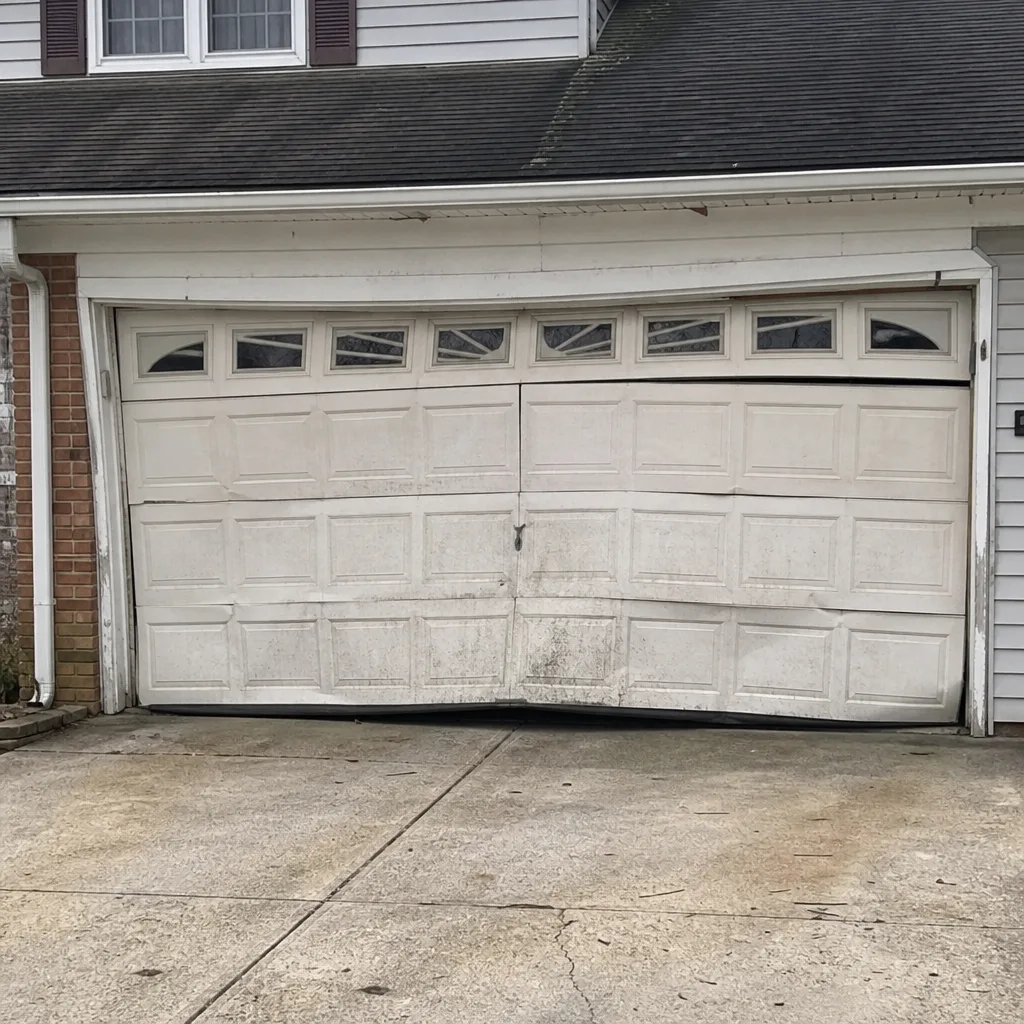 Before
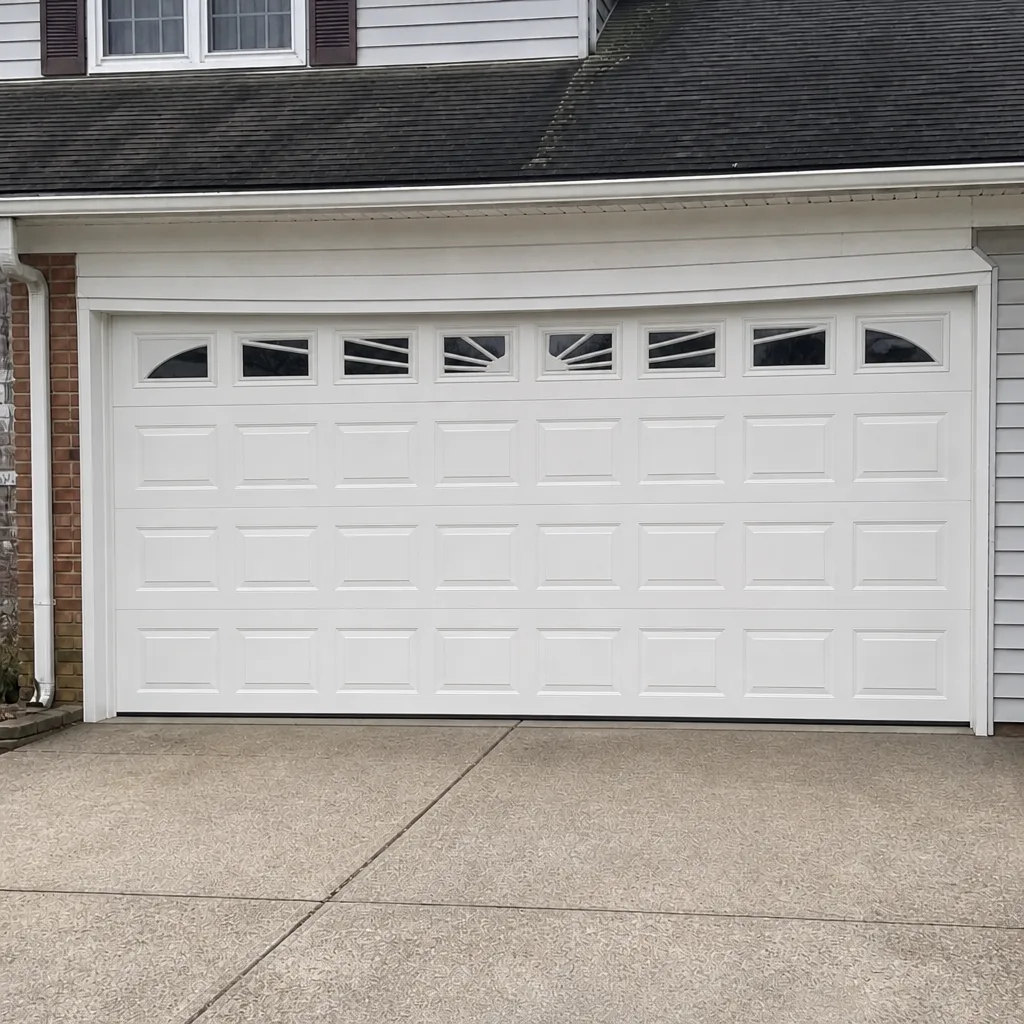 After
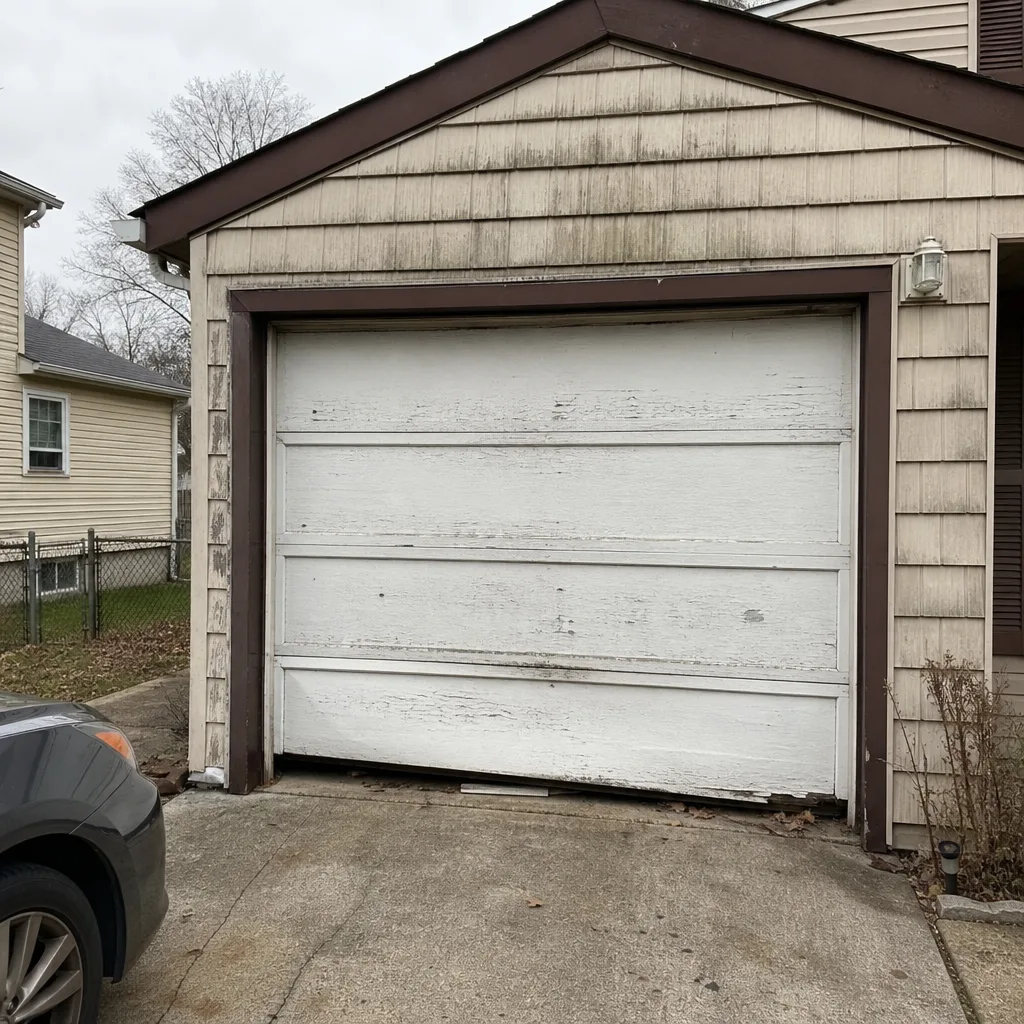 Before
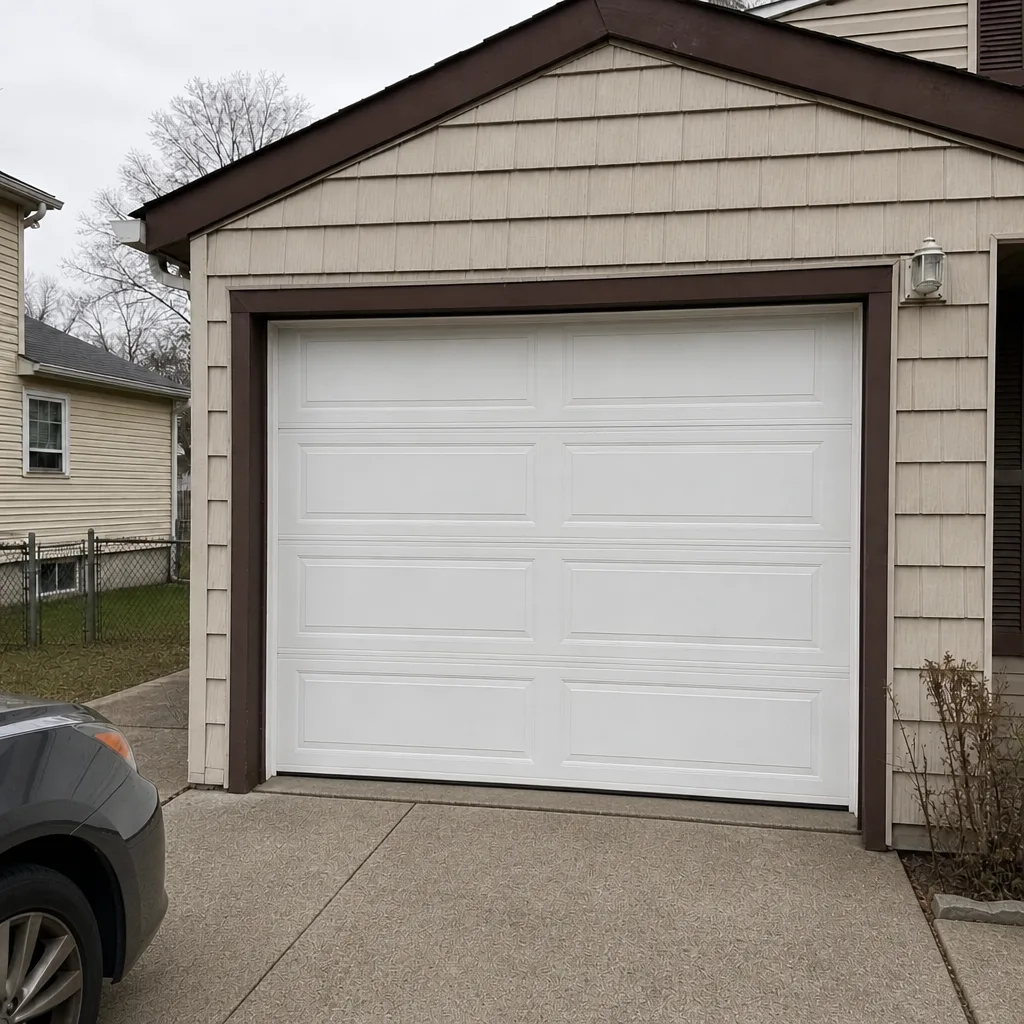 After
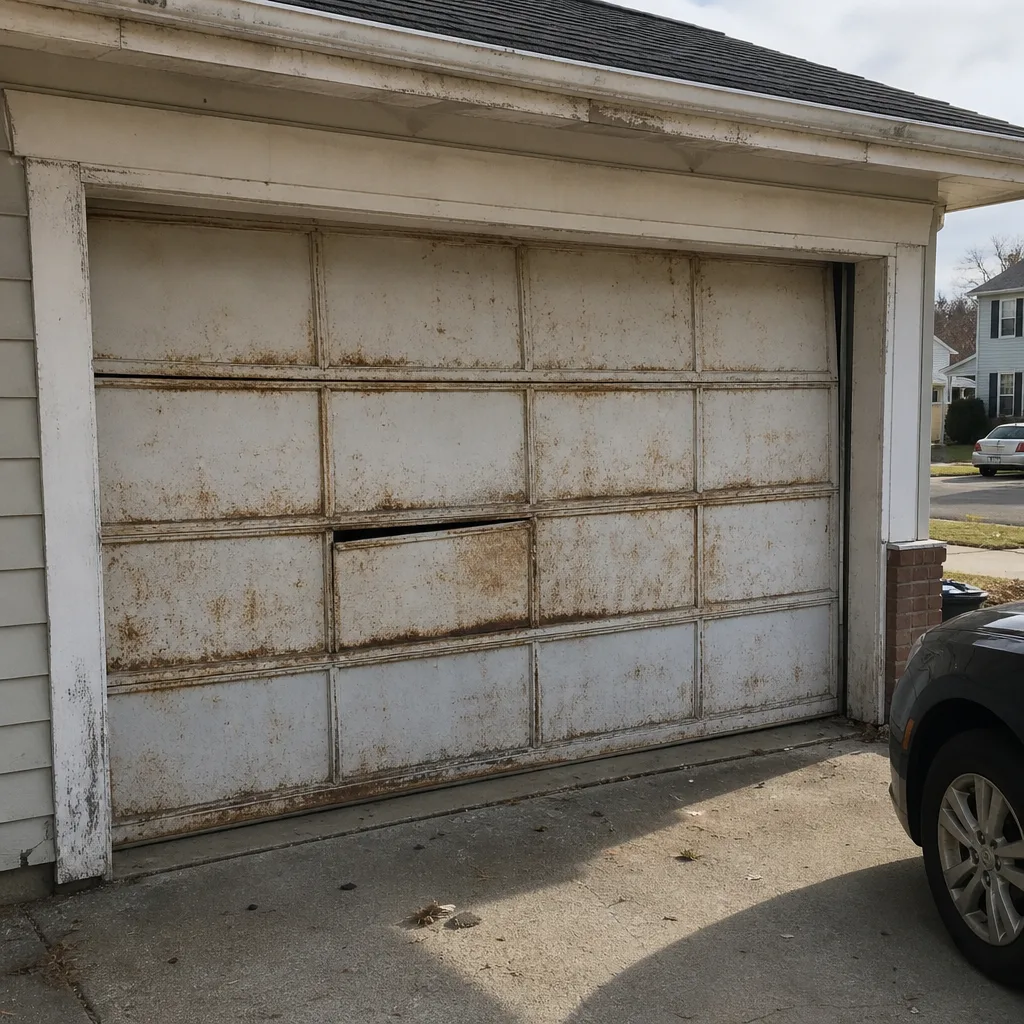 Before
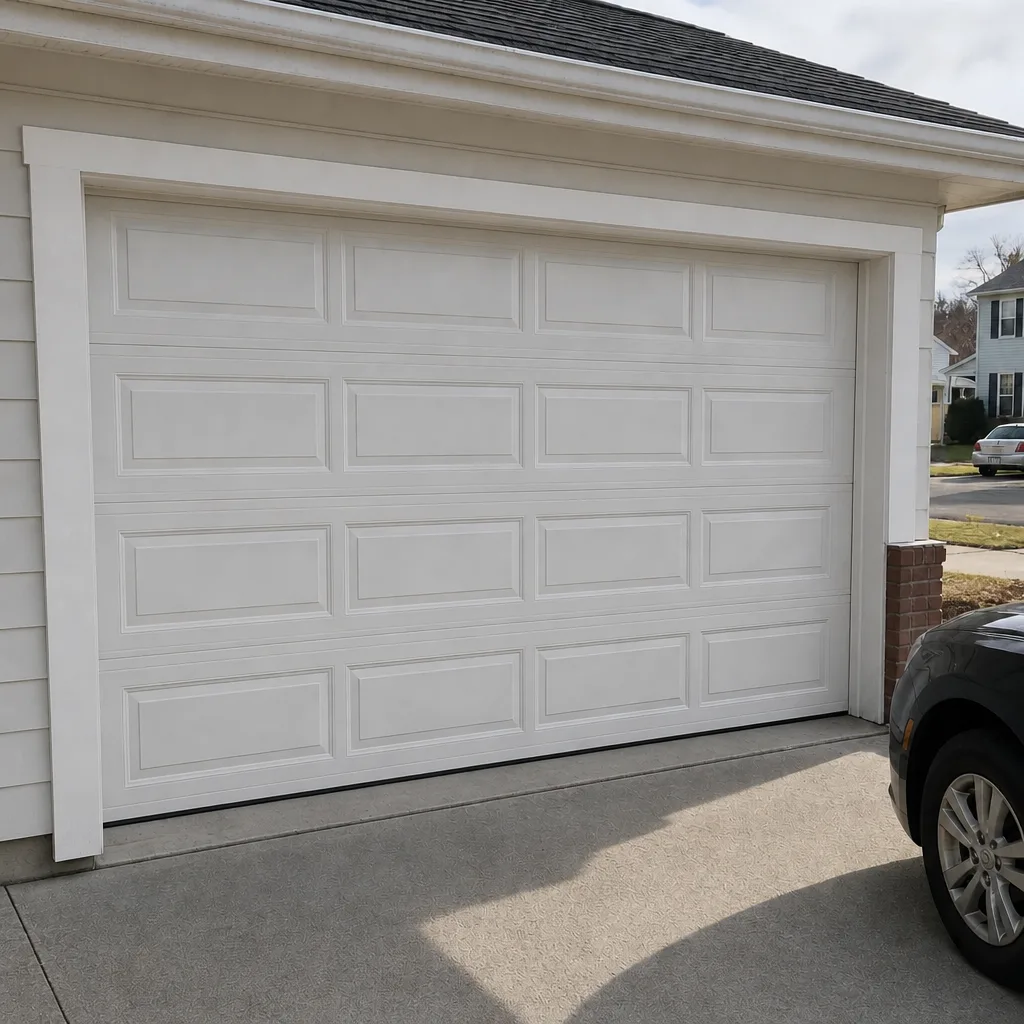 After