
Last updated November 22, 2026
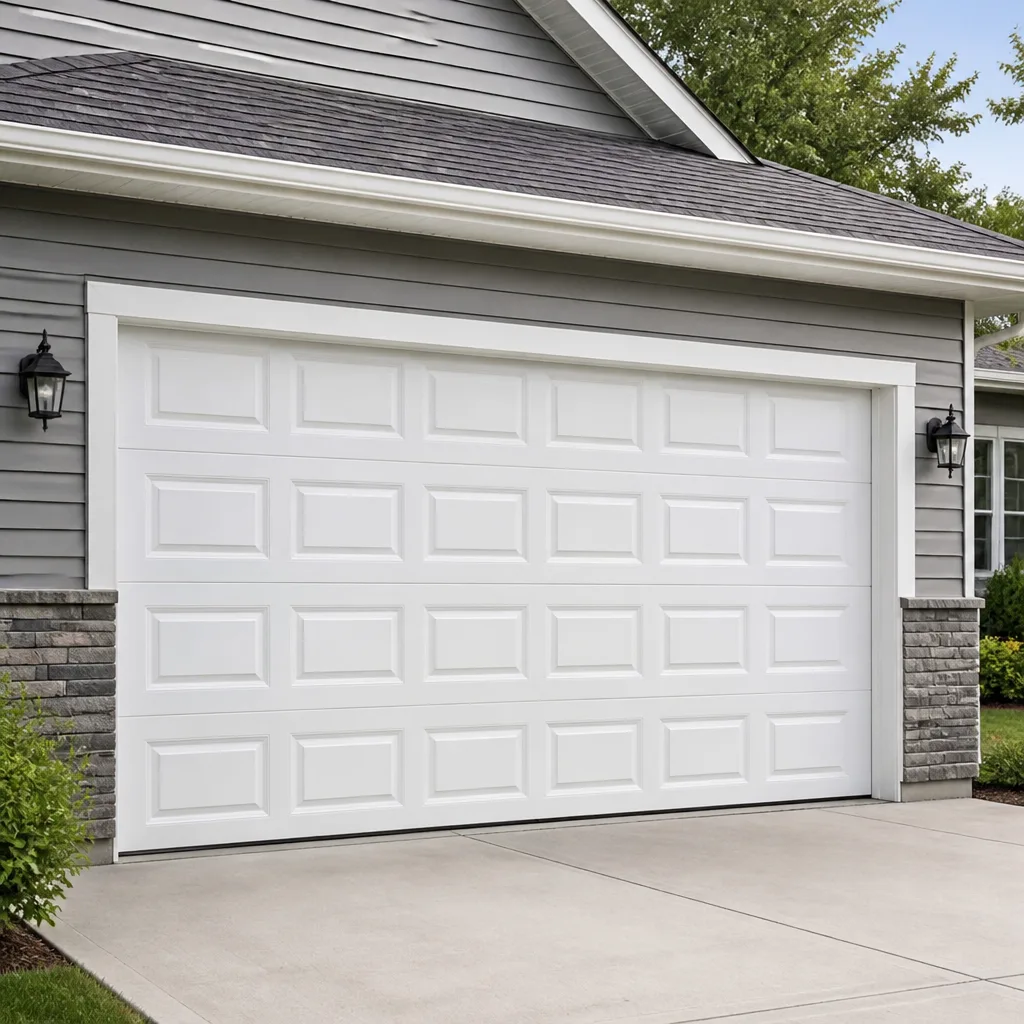 Raised-panel steel
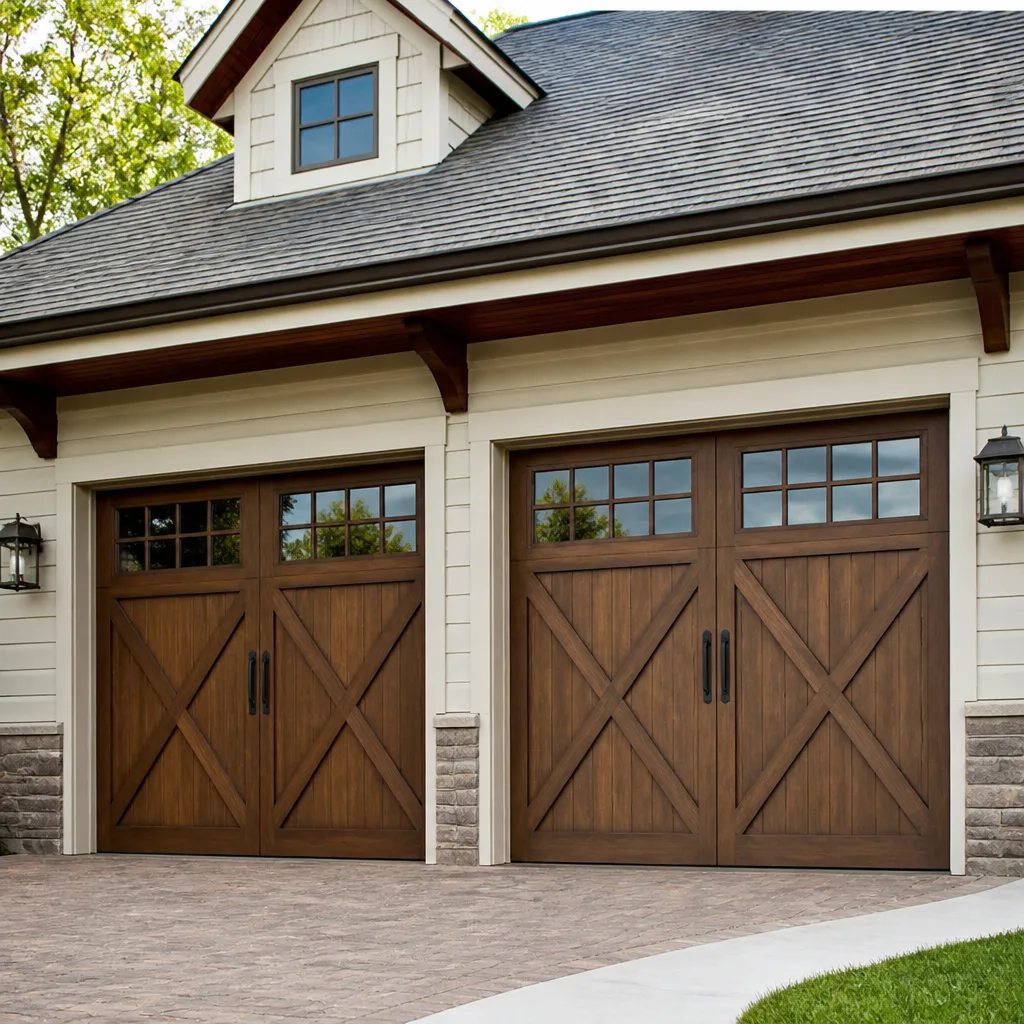 Carriage house
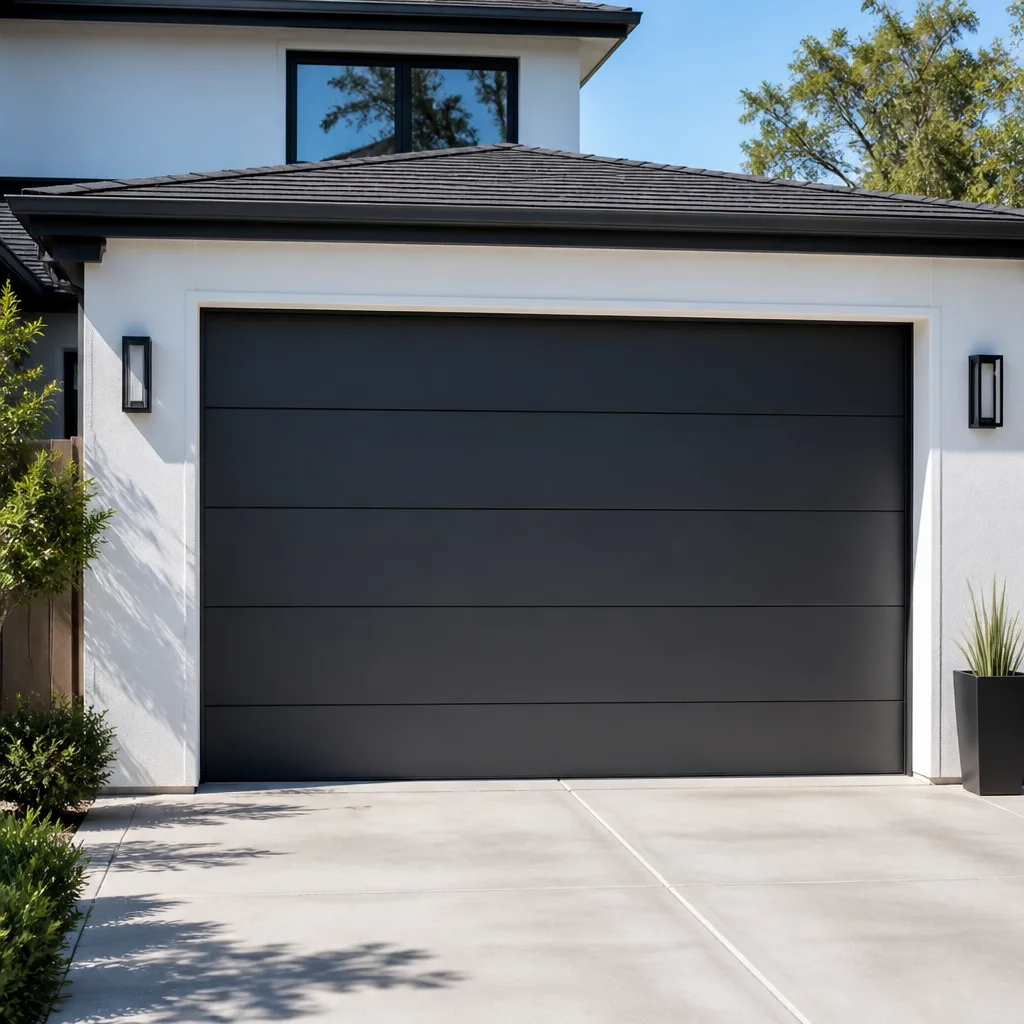 Modern flush
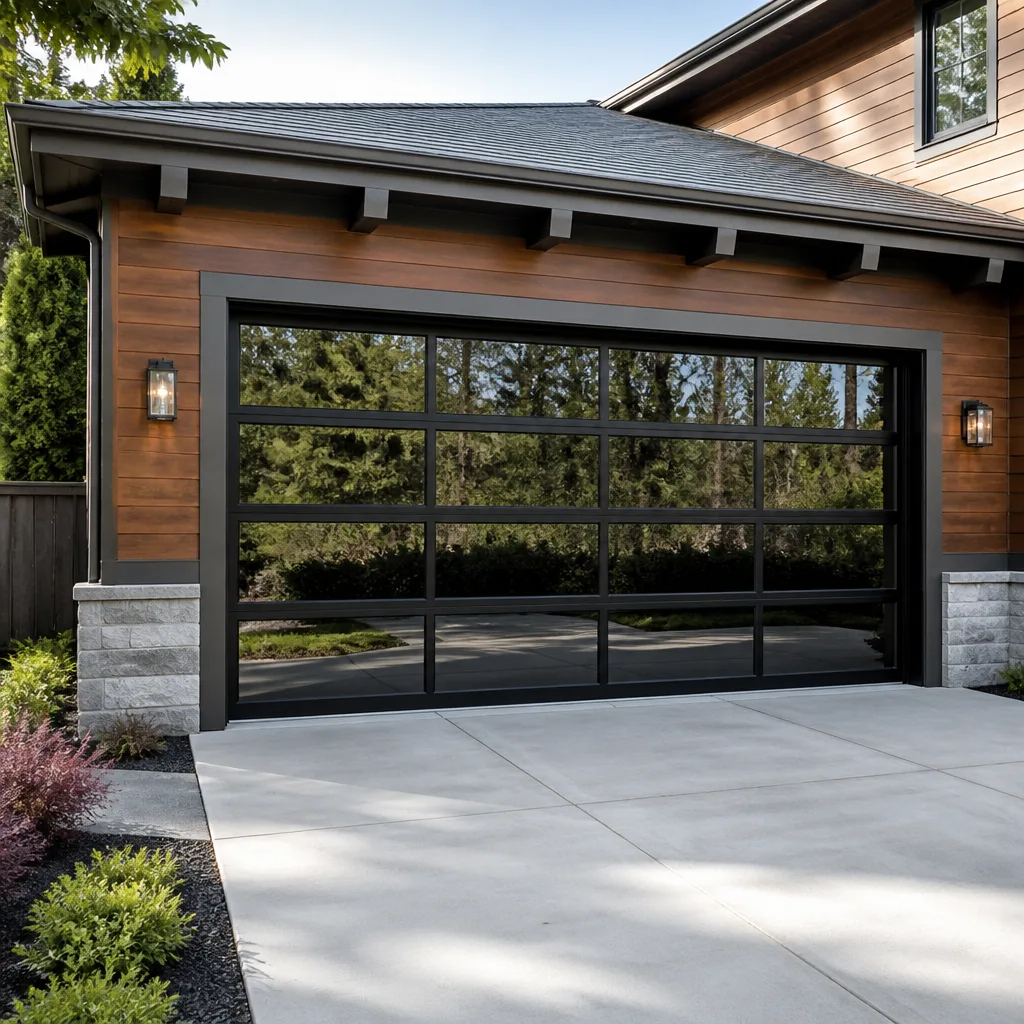 Full-view glass
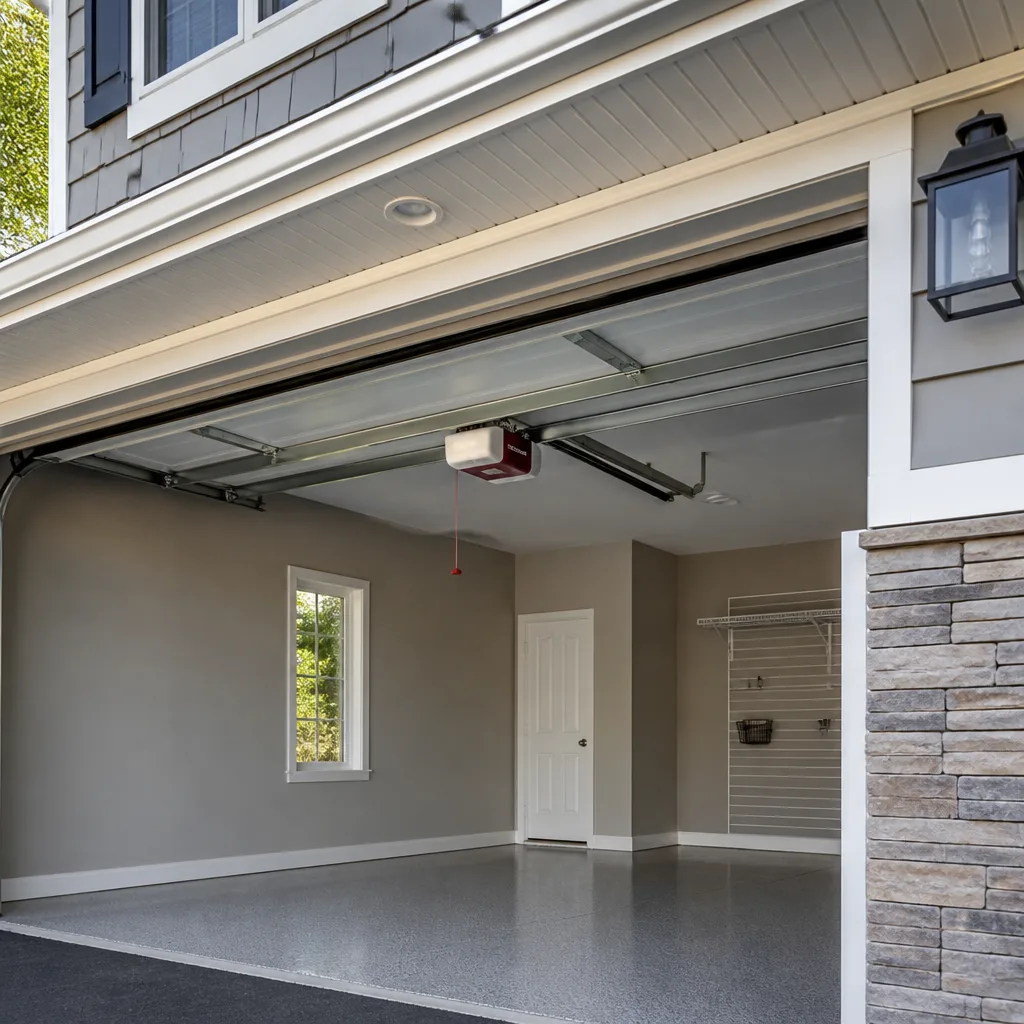 LiftMaster openers
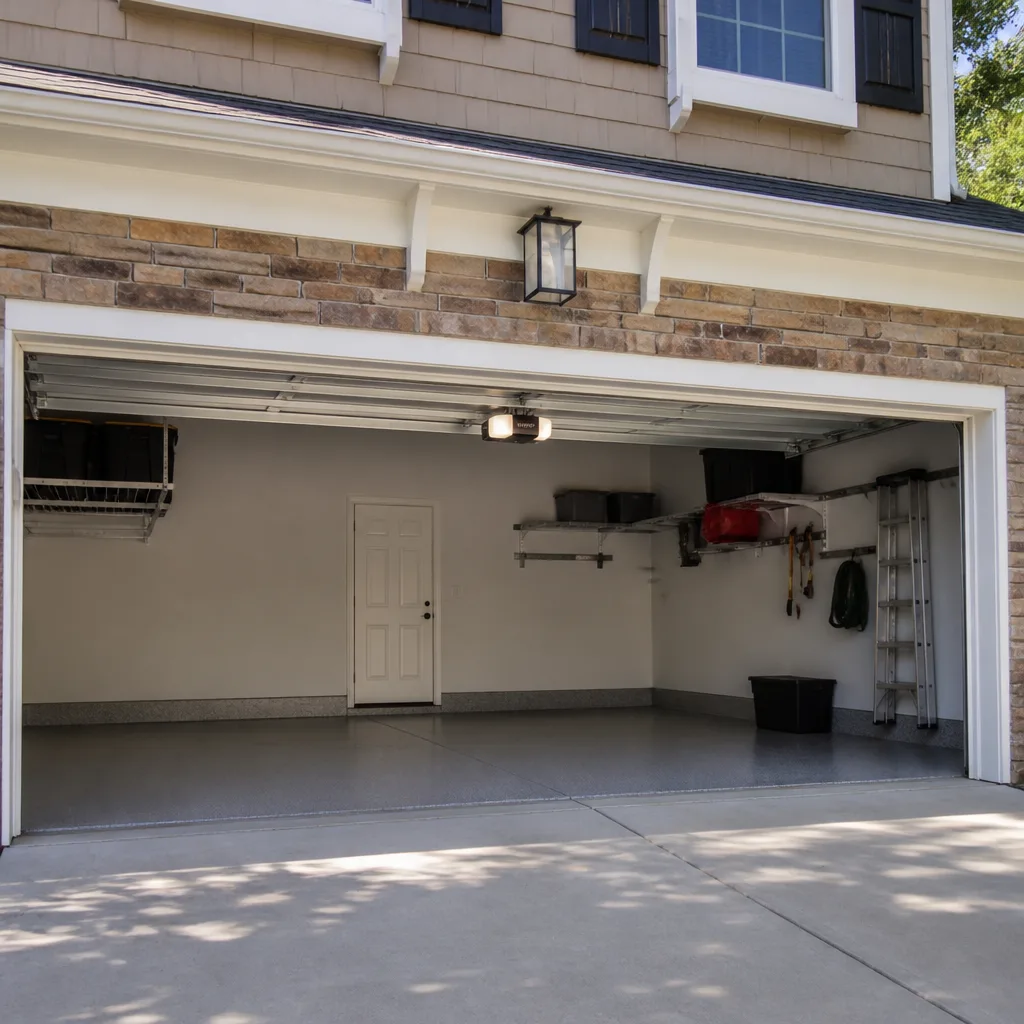 Chamberlain openers
Full 25-point door and opener safety check with every visit - springs, cables, rollers, tracks, and your LiftMaster or Chamberlain opener included
You get a price before we start. It does not change when the pro arrives.
Get your free estimateHow to Hire a Garage Door Contractor in Edison: A Step-by-Step Guide
New Jersey doesn’t require a specialty license to replace a garage door spring. That’s the uncomfortable truth at the center of this guide. A spring stores enough torque to break bones and has sent untrained technicians to the emergency room, yet the person who shows up at your Edison door may hold nothing more than a registration number and a business card. Most homeowners assume that list prices, a logo, and a website mean someone checked the credentials. They don’t. What actually protects you is knowing which questions to ask, which numbers to verify, and which contract language should make you walk away. Below is the vetting framework we’d want our own families to use.
Quick Answer
Hiring a garage door contractor in Edison means verifying an active New Jersey Home Improvement Contractor (HIC) registration before anyone touches your door, confirming both general liability and workers’ compensation coverage, and getting a written scope that names exact parts, spring grades, and warranty terms. The lowest bid usually hides the difference in cheaper hardware, vague parts language, or a warranty too short to matter. A legitimate quote is specific, written, and agreed before work starts.
Styles & brands we work with
- Raised-panel steel
- Carriage house
- Modern flush
- Full-view glass
- LiftMaster openers
- Chamberlain openers
Table of Contents
- Why Edison Homeowners Need a Vetting Framework
- Step 1: Verify the NJ HIC Registration Number
- Step 2: Understand What “Insured” Actually Means
- Step 3: Spot Red-Flag Contract Clauses
- Step 4: Compare Quotes on Hardware, Not Price Alone
- Step 5: Read the Warranty Before You Sign
- Why Brand Knowledge Separates Specialists From Generalists
- The Questions That Reveal a Real Specialist
Why Edison Homeowners Need a Vetting Framework
Edison is a large township with a wide mix of housing stock, from mid-century ranches to newer construction, and the garage door market here reflects that variety. Some homes still run original openers from the 1990s, while others have modern smart-home systems tied into LiftMaster myQ or Genie Aladdin platforms. The person you hire needs to understand both ends of that spectrum. A technician who only knows how to swap a generic opener motor will struggle with a legacy Craftsman system or a newer network-connected unit that needs real diagnosis rather than guesswork.
The bigger issue is that the barrier to entry in this trade is almost nonexistent. Anyone with a van and a set of winding bars can advertise garage door service in Edison. Most are honest, competent, and worth hiring. But the market doesn’t sort them out for you. That job is yours, and it takes about twenty minutes of homework.
Here’s why it matters more than usual for garage doors:
- Springs store lethal energy. A torsion spring under normal residential tension can release with enough force to cause serious injury in under a second.
- Failures are often invisible. A worn cable, a fatigued spring, or a bent track can look fine to a homeowner until it fails completely.
- Opener diagnostics require real expertise. Modern openers have logic boards and safety sensors that fail in specific, diagnosable ways. A generalist guesses. A specialist tests.
- The consequences compound. A poorly matched spring wears out prematurely. A cheap roller seizes and drags on the opener. Bad hardware doesn’t just fail sooner, it stresses everything downstream.
What you’re really buying when you hire in Edison isn’t just labor. It’s a decision about which parts go on your door, how they’re installed, and who stands behind the work if something goes wrong. That decision deserves a written record and a verified contractor.
Step 1: Verify the NJ HIC Registration Number
New Jersey requires home improvement contractors to hold a valid Home Improvement Contractor (HIC) registration through the Division of Consumer Affairs. You can verify a registration on the NJDCA portal in under two minutes. Ask for the number before you book, and check it yourself rather than taking a screenshot at face value.
Here’s how to run the check:
- Ask for the HIC registration number when you call or request an estimate. A legitimate contractor gives it without hesitation.
- Open the New Jersey Division of Consumer Affairs license lookup and search under Home Improvement Contractor.
- Confirm the business name matches the name on the quote, not just a trade name or a DBA.
- Check the status is active and note the expiration date.
- Confirm the registration type covers the work being quoted: repair, installation, or both.
An expired registration is a problem. So is a number that belongs to a different entity than the one writing your estimate. In our experience, the contractors who can’t produce an HIC number on request are the same ones who disappear when a repair fails six months later. That’s not a coincidence.
Edison Township may also have its own permit requirements for structural garage door work, particularly for door replacement where the header or opening is modified. We don’t invent code details here because they vary by scope. The right move is to call the Edison Township building department directly and ask what your specific job requires. A contractor who discourages you from calling the building department is telling you something important about how they operate.
If you’re replacing a full door rather than repairing one, the permit question often comes up before the quote. Ask the contractor to confirm in writing whether the scope needs a permit, and whether pulling it is included. Get the answer before signing.
Step 2: Understand What “Insured” Actually Means
“Fully insured” is the phrase every contractor uses. It rarely means what homeowners assume. There are two distinct types of coverage that matter, and they protect different parties.
General liability insurance covers damage to your property. If a technician drops a door panel on your car, or a track pulls out of the wall and damages the drywall, general liability is what pays. This coverage protects you as the homeowner, and you should ask for a certificate of insurance before work begins.
Workers’ compensation insurance covers the technician if they’re injured on your property. This is the one homeowners almost never ask about, and it’s the one that matters most for garage door work. Spring and cable jobs are genuinely dangerous. If an uninsured technician is injured in your driveway, the potential liability can land on you as the property owner. That’s a risk no homeowner should accept.
So when you ask whether a contractor is insured, ask the follow-up:
- Do you carry general liability coverage? Can you send a certificate of insurance?
- Do you carry workers’ compensation coverage for your technicians?
- Are the people doing the work employees or subcontractors? If subcontractors, are they covered under your policy?
Any contractor who can’t answer these questions clearly and provide documentation isn’t being evasive by accident. The answers exist, and a properly run operation knows them. When you work with the independent local professionals we connect Edison homeowners to, licensing and insurance are part of what we expect the pro to hold as their state requires, and you should still verify the certificate yourself.
Step 3: Spot Red-Flag Contract Clauses
Most garage door jobs go smoothly. The problems happen in the paperwork, not the workmanship. Here are the contract patterns that should give you pause before signing anything.
Vague Parts Language
A quote that says “replace spring” tells you nothing useful. Which spring? What wire gauge? What cycle rating? A legitimate estimate names the part being installed, and ideally the brand and specification. Vague language gives the contractor room to install the cheapest possible component while you believe you’re paying for a quality part. When you compare two quotes and one lists specific hardware while the other says “springs and rollers,” you’re not comparing like with like.
Trip Fees That Become Ransom
Some contracts structure a low diagnostic or trip fee to get in the door, then present the actual repair price on site with no competitive context. The homeowner is already invested and the technician is already standing there. The fee itself isn’t the issue; the structure is. Ask upfront whether the estimate is free and whether the price quoted before arrival is the price you’ll pay. If the answer involves “it depends on what we find,” that’s fair for diagnostics but should be explained clearly before anyone shows up.
Diagnostic Fee Bait-and-Switch
A common tactic is advertising one price for a diagnostic and then presenting a quote that folds the diagnostic fee into the repair without disclosure. Ask what the diagnostic costs, whether it’s separate from the repair, and whether you’ll receive a written quote before any work starts. The price should be quoted and agreed before work begins, including any diagnostic component.
High-Pressure Same-Visit Upgrades
Garage door technicians do sometimes find genuinely urgent issues that need immediate attention, like a frayed cable that’s about to fail. But a technician who arrives for a spring repair and pressures you into a full door replacement on the same visit is a salesperson, not a diagnostician. Get a written explanation of the problem and, if the quote surprises you, get a second opinion before signing.
No Written Quote
Verbal estimates aren’t protection. The written estimate is what sets the final price. If a contractor won’t put the scope, parts, labor, and warranty in writing before starting, the terms are theirs to change after the fact.
Step 4: Compare Quotes on Hardware, Not Price Alone
Two quotes for the same job can differ by hundreds of dollars and still both be legitimate. What usually explains the gap is the hardware tier, not the labor. Here’s what actually differs between quotes for the same repair.
- Spring grade and cycle rating. A standard replacement spring and a high-cycle spring can look identical from the driveway and behave very differently over the years. A thin spring that fails in three years is not a bargain at half the price of a better one. Ask what the spring’s expected cycle life is.
- Spring replacement count. Springs are usually installed in matched pairs. If one spring has failed, the other has absorbed the wear of the whole door and is likely on a similar timeline. Replacing both at once costs more than replacing one, but it usually costs less than paying two labor charges within a year. Expect any quote for a pair to be roughly double the single-spring price.
- Roller type. Nylon rollers are quieter and wear longer than steel ones. A quote that specs “new rollers” without a material type is telling you to assume the cheapest option.
- Hinge and bracket quality. Standard hinges and heavy-duty hinges cost different amounts and last different lengths of time. On a door that opens several times a day, this matters.
- Labor scope. Some quotes include balancing, lubrication, and safety sensor testing. Others just replace the part and leave.
When you’re comparing bids, line them up side by side and check what’s included. A bid that’s $80 lower with off-brand rollers and an unspecified spring may not be cheaper at all; it might just be a slower return to the same problem. That’s why we push for written quotes that name the parts, not just the total.
If you’re specifically replacing or repairing a spring, our garage door spring repair page has more detail on what the job involves and how matched pairs are handled. For opener issues, the diagnostic picture is different and worth reading up on separately through our garage door opener repair guide.
Step 5: Read the Warranty Before You Sign
A “90-day warranty” on a torsion spring repair is a warning sign, not a selling point. Here’s why. A spring under normal residential load is designed to last years of normal cycles. A 90-day guarantee on a part with a multi-year expected life implies the installer expects it to fail. A legitimate warranty structure covers the part and the labor separately, and the terms for each are clear in writing.
What to look for in a warranty:
- Parts coverage: how long the part is covered, and by whom. The manufacturer’s warranty is not the same as the contractor’s labor warranty.
- Labor coverage: how long the installation labor is guaranteed. This is what really protects you if a spring fails early due to installation error.
- Exclusions: what conditions void the warranty. Normal use should not void it; improper homeowner adjustment might.
- Written terms: anything not written is not coverage.
Ask the contractor to explain both the parts and labor coverage on the specific product being installed. A specialist can tell you the expected life of the spring they’re installing and the warranty behind it. A generalist will default to a generic answer, because the hardware they’re installing is generic too.
Warranty on a new installation is a separate conversation and usually longer on the door itself. Our garage door repair page covers common repair scenarios and what to expect when a warranty issue arises.
Why Brand Knowledge Separates Specialists From Generalists
Most homes in Edison run one of a handful of major door and opener brands: LiftMaster, Chamberlain, Genie, Clopay, Amarr, Wayne Dalton, Craftsman, and Raynor. Each has specific design conventions, parts that don’t interchange cleanly with competitors, and known failure modes. A technician who works on your actual brand and model every week diagnoses the problem faster than someone who has to figure out the system on your driveway.
That difference shows up in a few practical ways:
- Opener logic boards and remotes: A Craftsman wall console and a Genie Aladdin system don’t behave the same way. A specialist knows which failure patterns are common to each.
- Door hardware fit: Amarr and Wayne Dalton doors don’t use the same hinge mounts or roller bracket designs as a Clopay door. Knowing that before arrival means fewer trips back for the right parts.
- Smart-home integration: A LiftMaster myQ opener troubleshooting with a WiFi or sensor issue is a different diagnostic than a legacy opener with a dead motor.
We work on your exact system, not a generic approximation of it. That’s why our techs are familiar with all eight of the major brands rather than one or two. And because all our work is garage door work specifically, the diagnostic process is faster across the board. Our technicians have up to 11 years of experience, and they spend that experience on doors and openers, not on a mixed trade schedule.
If you want to know more about the full range of what a specialist handles, our Edison Garage Door Repair Pros home page covers the scope of services.
The Questions That Reveal a Real Specialist
When you call for an estimate, these questions cut through marketing language and get to the point. A specialist answers them directly and without waffling.
- “What’s your NJ HIC registration number?” If they can’t produce it immediately, don’t schedule. This is a minimum requirement, not a nice-to-have.
- “Do you carry workers’ comp for the technicians who’ll be on my property?” This identifies operations that have thought about safety and liability, versus those that haven’t.
- “Will you send me a written quote before any work starts?” The answer should be yes, free of charge, and it should name the parts.
- “Can you explain what failed and why?” A real diagnostician can walk you through what’s wrong, not just quote you a repair. If they can’t explain the failure, they may be replacing parts without solving the problem.
- “What brands do you work on?” You’re looking for specific names, not a vague “all major brands.” When we answer this one, we’re thinking about Amarr, Wayne Dalton, Craftsman, Raynor, and the rest because those are the doors and openers actually installed in Edison homes.
- “What warranty comes with this repair?” Get the number of months on both parts and labor and have it written into the estimate.
Ask these on the phone before booking. The contractor’s answers will sort the field for you faster than any review site.
Common Mistakes to Avoid
- Choosing the lowest bid without comparing what’s included. A cheaper quote usually means a cheaper spring, lower-grade rollers, or a shorter labor warranty. Compare the parts, not just the bottom line.
- Accepting a verbal estimate. The written quote is what protects you. If there’s no paper, the final price is whatever the contractor decides it is.
- Not asking about workers’ compensation. Most homeowners ask about liability and skip workers’ comp, then find out too late that an injured technician’s claim could create a problem for them.
- Letting a technician pressure a full replacement on the first visit. Sometimes a door does need replacing. But a technician who pushes a new door on the same visit as a spring repair, without explaining why, is selling rather than diagnosing.
- Skipping the Edison Township building department call. For a door replacement or a structural change to the opening, the township is the authority on what’s required. Call them directly rather than taking a contractor’s word for it.
- Assuming a 90-day warranty on a spring is normal. It isn’t. A torsion spring should be warranted for far longer than three months on both parts and labor. Get the terms in writing before the work starts.
- Hiring a generalist because the estimate was faster. A handyman who doesn’t stock door-specific parts will make multiple trips and figure out your system on the fly. A specialist often resolves the problem in one visit because they’ve seen the failure before.
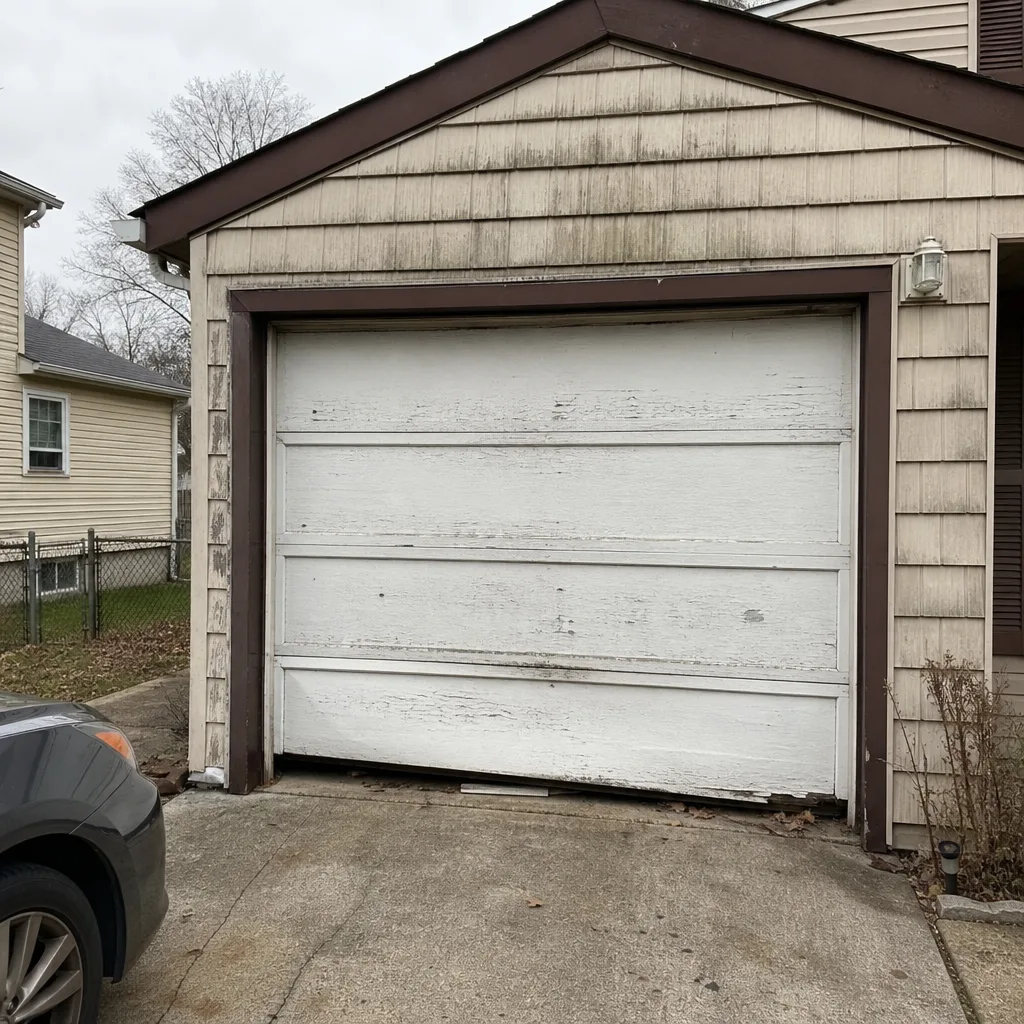
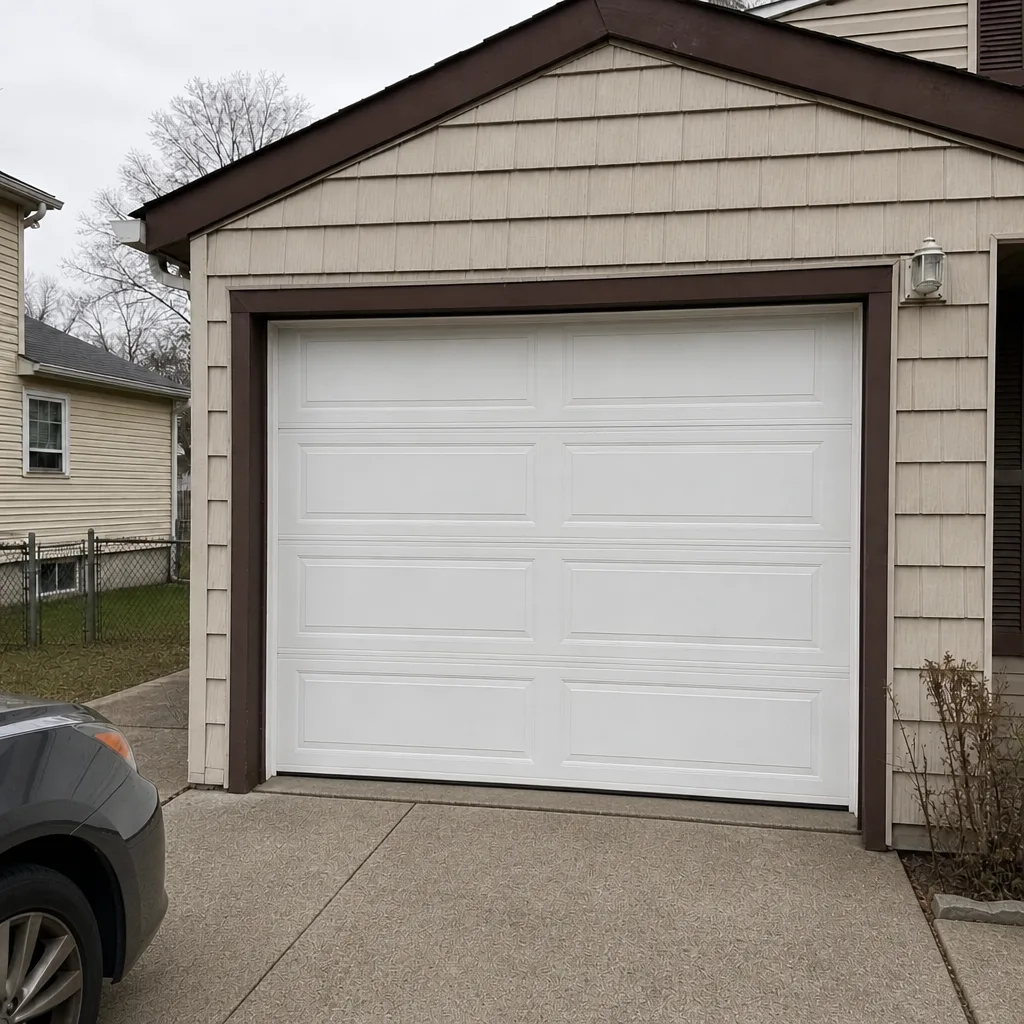
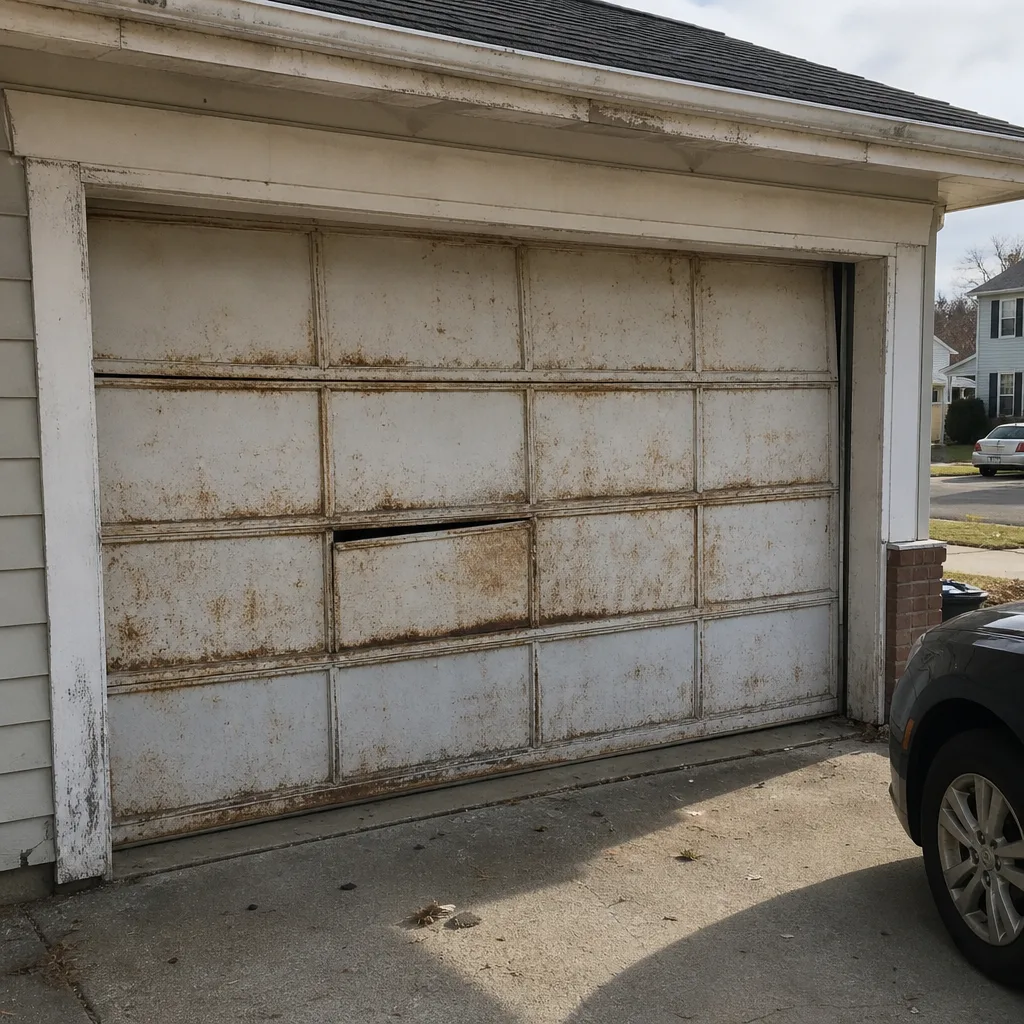
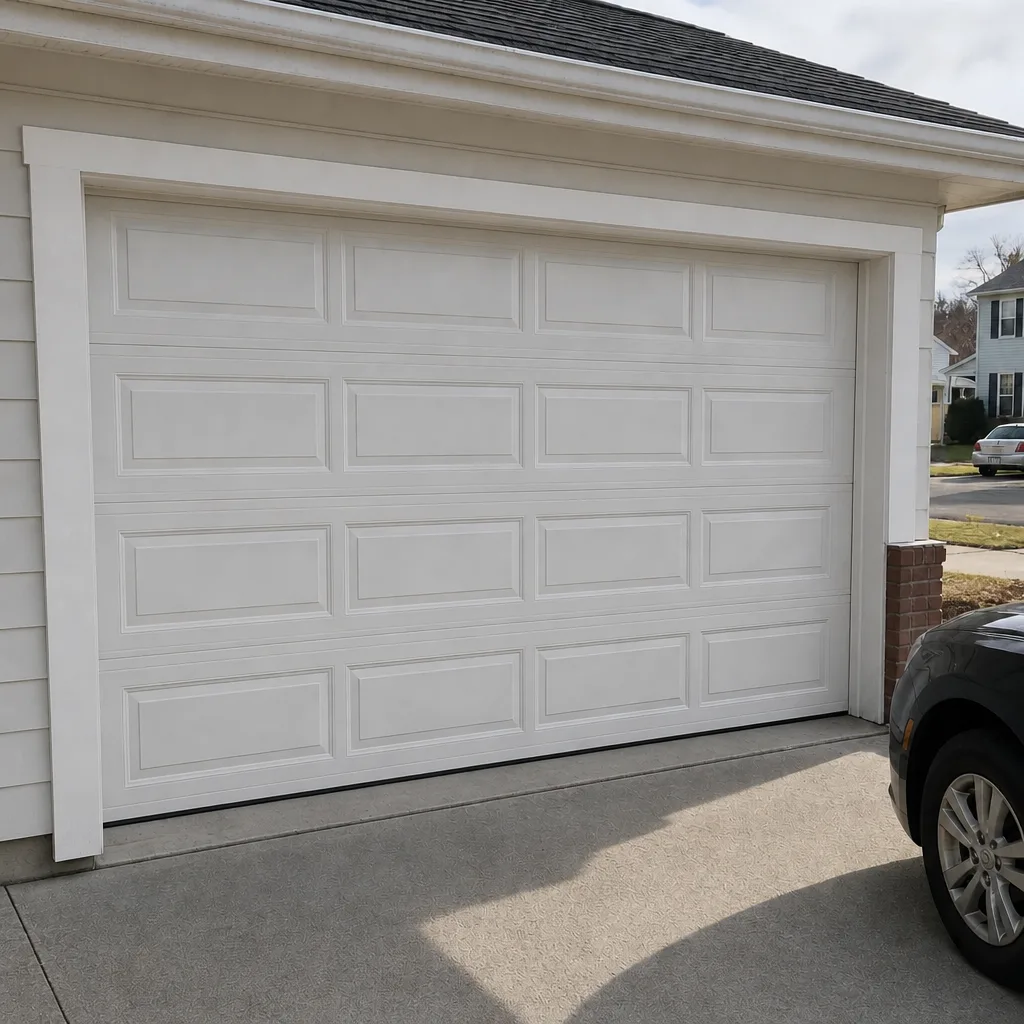
See the difference
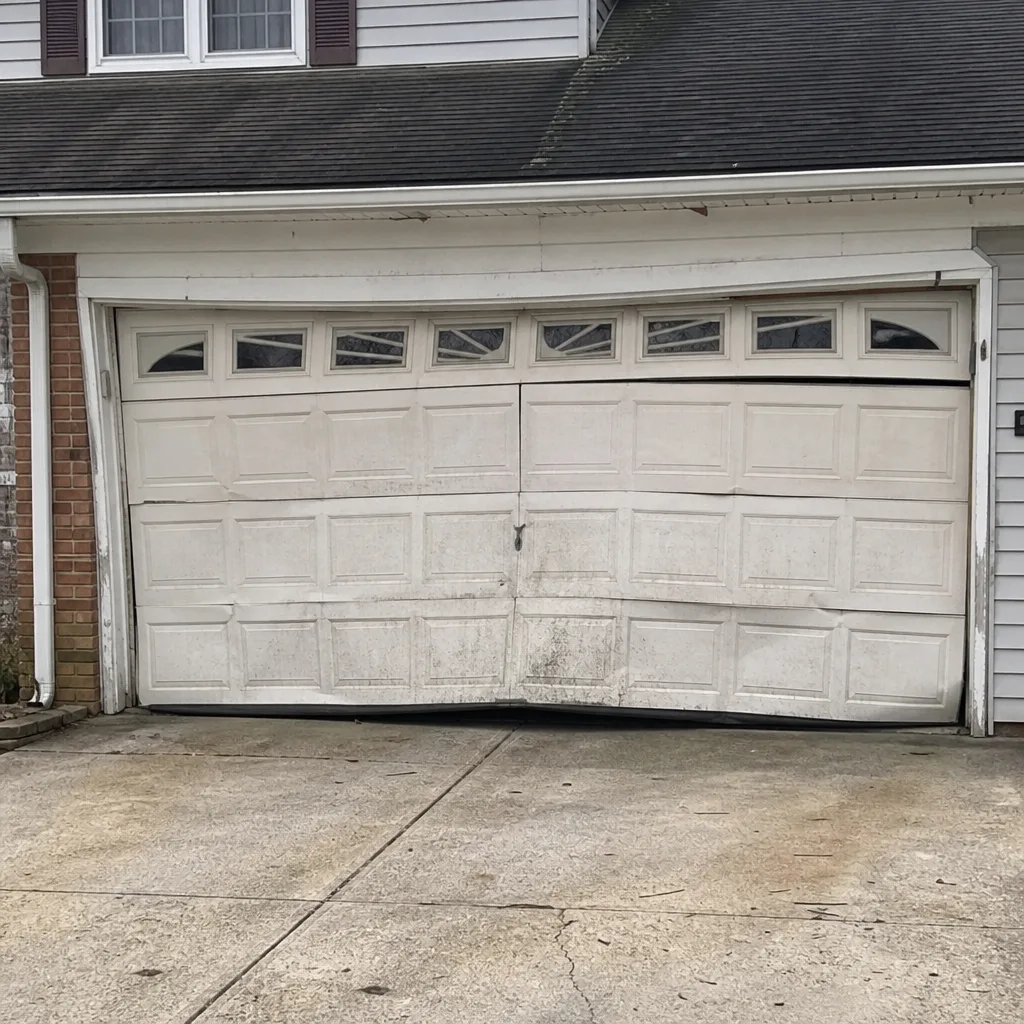 Before
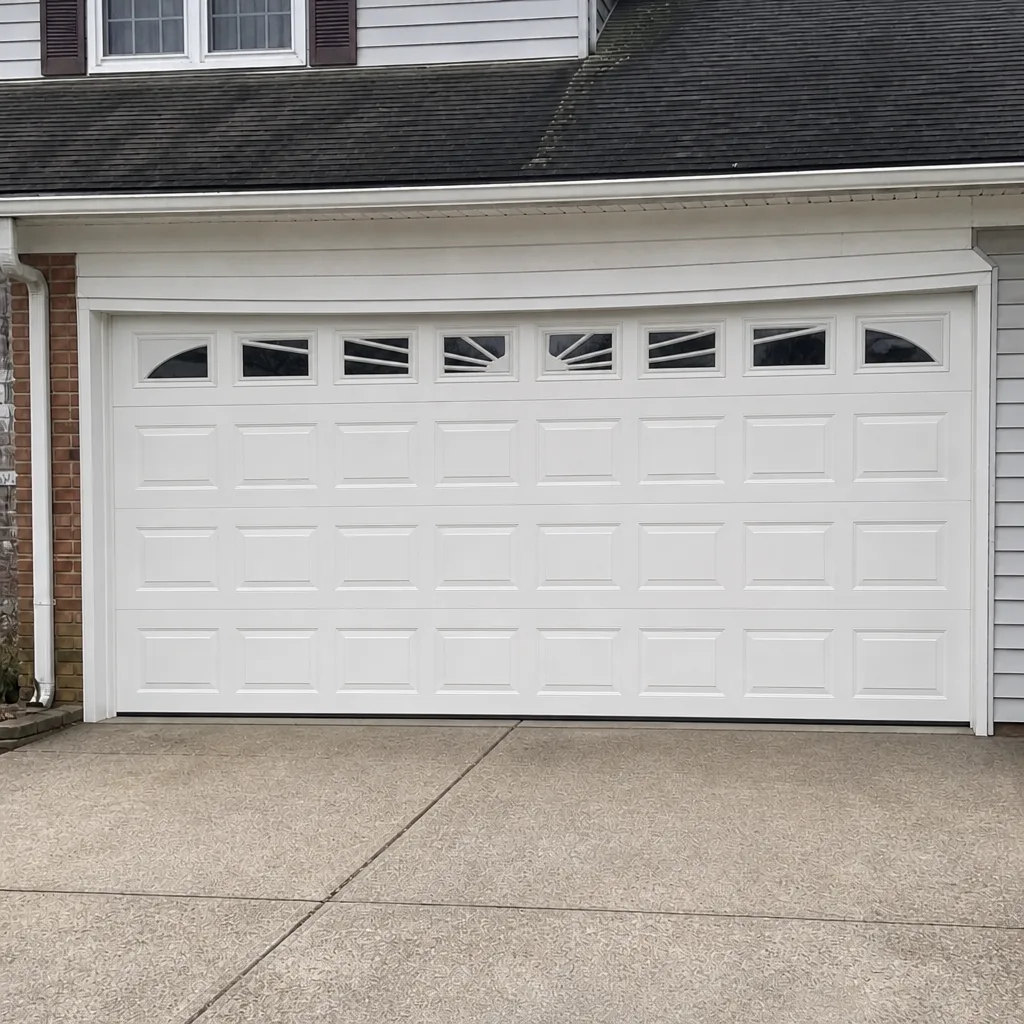 After
 Before
 After
 Before
 After
When to Call a Professional
Some garage door issues genuinely need a same-day call. A spring that snaps with the door down locks the door in place and leaves you unable to open it manually without risking injury. A snapped or badly frayed cable is a similar emergency. An opener that runs but won’t lift the door, or a door that comes off its track, needs attention before it gets worse. Springs store extreme tension, and winding bars are not a homeowner tool; the risk of injury isn’t worth the savings. Nobody should attempt spring or cable work without training and the right equipment.
For repair calls, same-day service is often possible. We answer 24/7, with fast dispatch from 7am to 7pm, Sunday through Friday. Edison Garage Door Repair Pros offers free estimates in Edison, call (855) 506-5081. For a new door or a full replacement, the timeline is measured rather than same-day since the door has to be ordered, and a free measure and written price come first.
Frequently Asked Questions
Garage door repair costs in Edison depend on the part that failed and the hardware grade specified. Spring repairs are typically the most common job, and the price varies based on whether one spring or a matched pair is replaced. Opener diagnostics and repair vary by opener brand and failure type. The written estimate sets the exact price, and it’s agreed before any work starts. Call (855) 506-5081 for an exact quote; estimates are free.
Permit requirements in Edison depend on the specific scope of the job. A like-for-like door replacement and a replacement that involves structural changes to the opening may be handled differently. The township building department is the definitive source for what your job requires, so call them before scheduling. A reputable contractor will also know the right questions to ask and won’t discourage you from calling.
The independent local professionals we connect you with are licensed and insured as their state requires, and we recommend you ask for a certificate of insurance and their NJ HIC registration number directly. The HIC number is verifiable on the New Jersey Division of Consumer Affairs website. Asking for both before booking is standard practice, not a sign of distrust. Call (855) 506-5081 for an exact quote; estimates are free.
A torsion spring designed for residential use is built to last years of normal cycles, so a 90-day labor warranty on one signals that the installer doesn’t expect it to hold up. A legitimate warranty covers both the part and the labor for a period that reflects the part’s expected life. Get the terms in writing and ask the technician to explain the specific warranty on the product being installed.
No, spring and cable work should not be attempted by a homeowner. The springs are under extreme tension, and the winding process can release stored energy with enough force to cause serious injury in an instant. The tools, technique, and knowledge required aren’t learnable from a video. This is the one job where “I’ll do it myself” is genuinely dangerous. Call a trained professional instead.
New Jersey requires garage door contractors to hold a valid Home Improvement Contractor (HIC) registration with the Division of Consumer Affairs. Request the number and verify it yourself on the NJDCA portal before booking. If the number is expired, or if the name on the registration doesn’t match the business name on the quote, that’s a reason to keep looking. This check takes about two minutes and filters out a large share of the wrong contractors. For same-day repair needs, call (855) 506-5081; we answer 24/7 with fast dispatch from 7am to 7pm, Sunday through Friday.
The Bottom Line
Hiring a garage door contractor in Edison is mostly a matter of asking the right questions before you book. Verify the HIC registration on the NJDCA portal. Confirm both liability and workers’ comp coverage, because they protect different things and only one protects you from a technician’s injury claim. Get a written quote that names the exact parts and the warranty terms, and read the warranty before you sign. Compare bids on hardware, not just price. And when the job involves springs or cables, don’t attempt it yourself; that’s not caution, it’s common sense. The right contractor makes it easy to get a correct answer, a fair written price, and a door that works.
If you’re ready to have a specialist look at your door, give us a call. Our technicians know the exact systems installed in Edison homes, from legacy openers to the newest connected platforms. Call (855) 506-5081 for a free estimate. We answer 24/7. Fast dispatch from 7am to 7pm, Sunday through Friday, and we don’t work on Saturdays since we’re closed that day.
Written by the team at Edison Garage Door Repair Pros.