
Last updated November 22, 2026
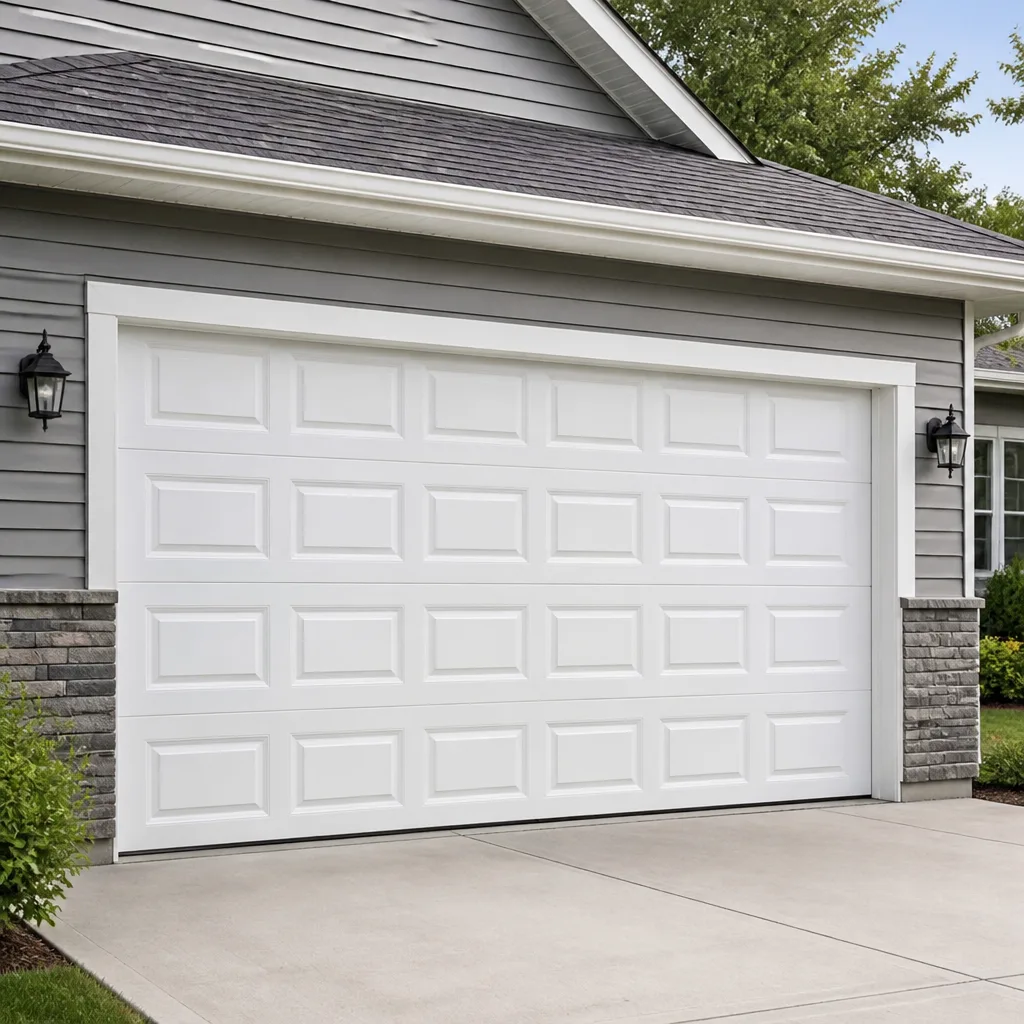 Raised-panel steel
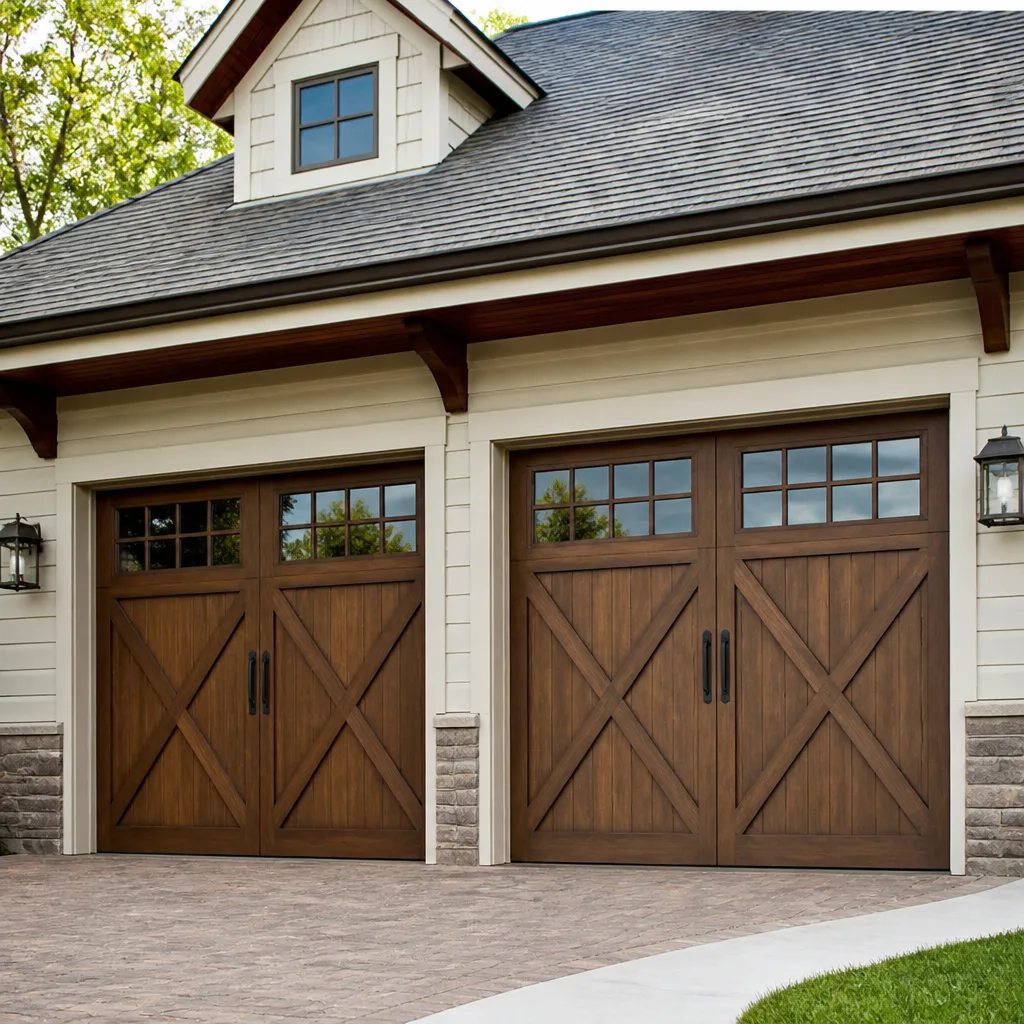 Carriage house
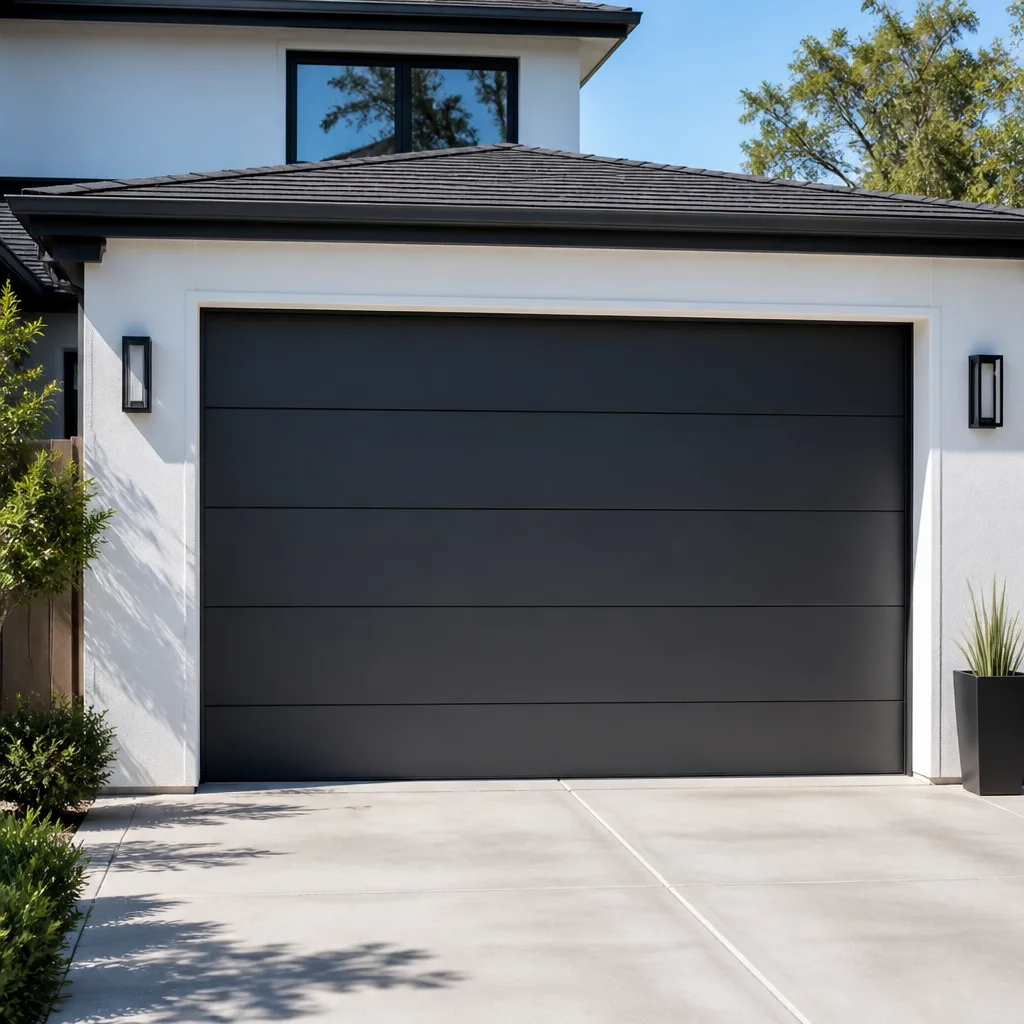 Modern flush
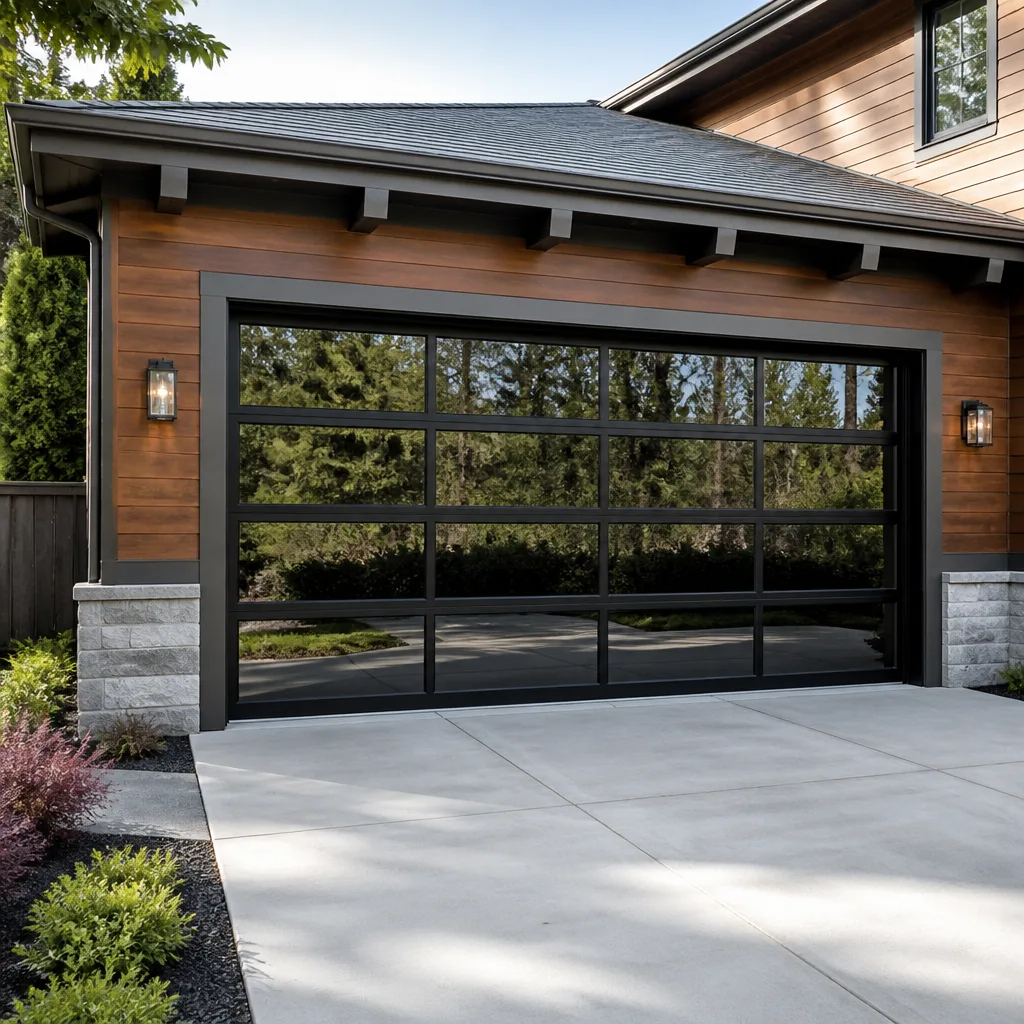 Full-view glass
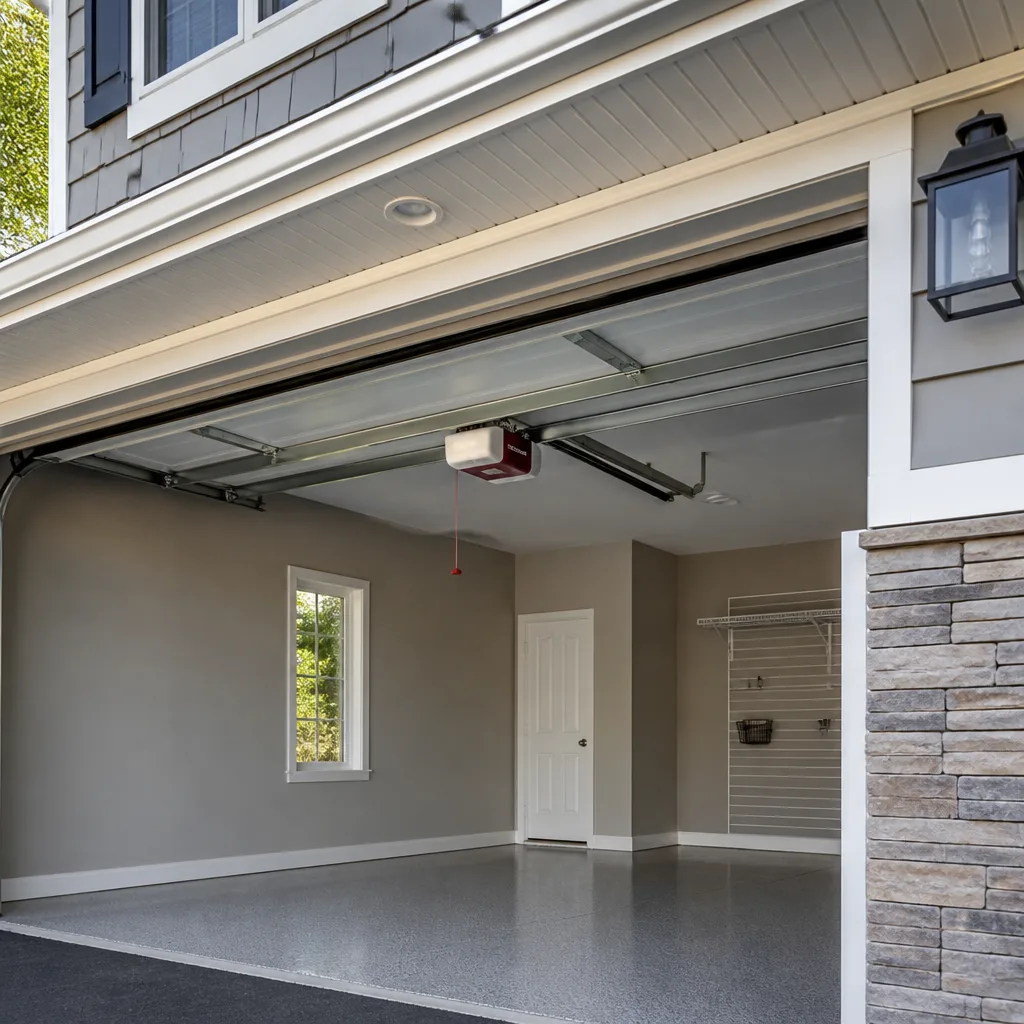 LiftMaster openers
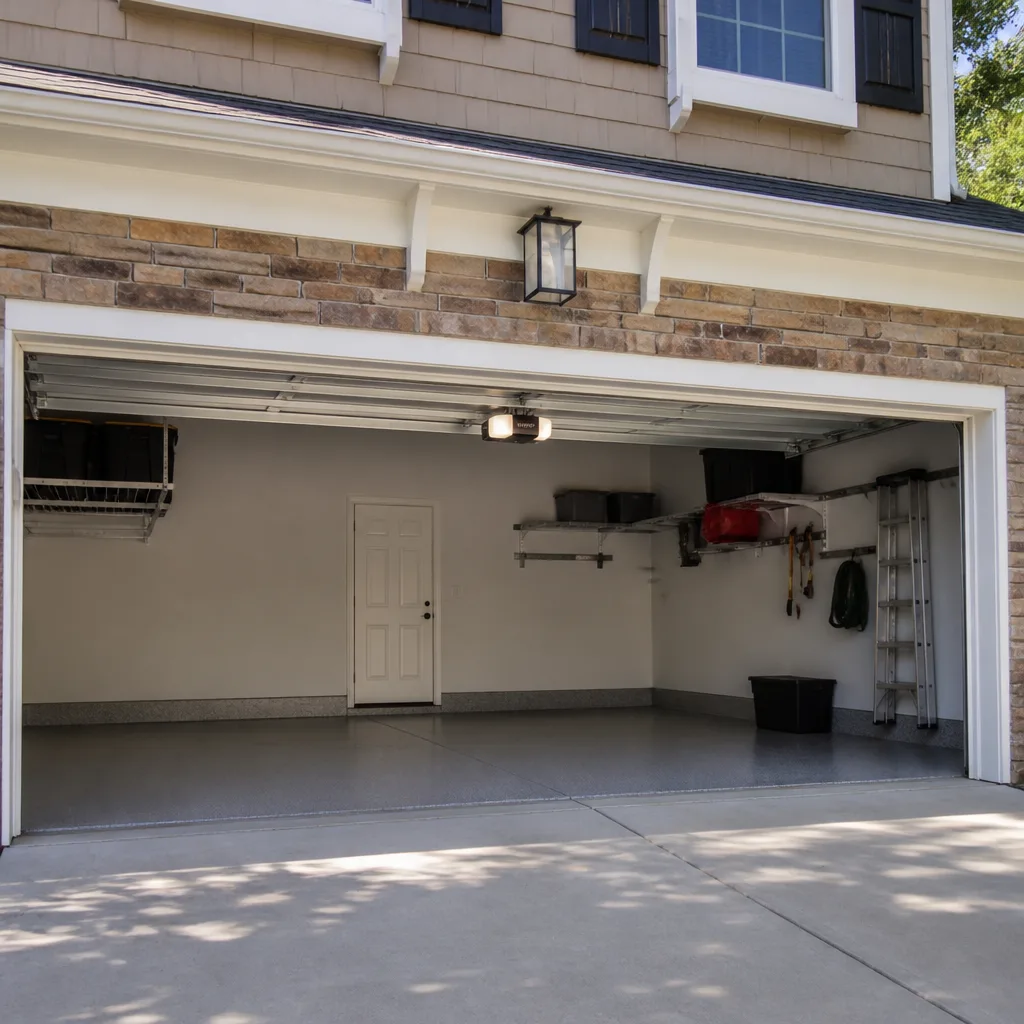 Chamberlain openers
Full 25-point door and opener safety check with every visit - springs, cables, rollers, tracks, and your LiftMaster or Chamberlain opener included
You get a price before we start. It does not change when the pro arrives.
Get your free estimateGarage Door Emergency Preparedness Guide for Edison Homes
Most garage door guides tell you to call a professional, then stop. That advice is true and useless at the moment your door is stuck open at 9pm with rain blowing in, or your car is trapped because a torsion spring snapped. Here is the counterintuitive part: the failure itself is rarely the emergency. The emergency is not knowing what to do for the first thirty minutes. A garage door is the largest moving object in your home, and it’s the one piece of equipment most Edison homeowners have never once thought about until it quits. This guide is built around the scenarios that actually happen in Edison – the Nor’easter that takes the power out, the spring that lets go, the door that won’t seat. You’ll learn the release procedure for the openers in most local homes, how to secure a door with no tension left in it, what to do in the first half hour of a broken spring, and how to get ready before the season turns. Fifteen minutes of preparation now saves a lot of scrambling later.
Quick Answer
A garage door emergency in Edison usually comes down to three moves: get the door into manual mode safely using the release cord on your specific opener, get your vehicle out without forcing anything, and call a specialist for the tension system. Springs, cables and the torsion assembly are never a homeowner fix – they store enough energy to cause serious injury. Everything else, from a dead opener battery to a door that won’t close, has a safe temporary workaround you can put in place and then have repaired.
Styles & brands we work with
- Raised-panel steel
- Carriage house
- Modern flush
- Full-view glass
- LiftMaster openers
- Chamberlain openers
Table of Contents
- The First 30 Minutes of a Broken Spring
- How to Use the Manual Release on Your Opener
- How to Secure a Garage Door That Won’t Close
- Power Outage Protocol for Edison’s Storm Season
- Pre-Storm Preparation Checklist
- Getting Your Car Out Without Making It Worse
- When Not to Touch the Door Yourself
The First 30 Minutes of a Broken Spring
A broken torsion spring announces itself with a sound like a gunshot, and the door comes down heavy or hangs crooked. The single most important thing to understand: the door is now being held by the opener and the tracks alone, and the spring is no longer counterbalancing its weight. A double-car door can weigh well over a hundred pounds, and once that weight is uncontrolled, the opener’s gears and the door’s cables take loads they were never designed for. That’s why the first half hour matters.
Here’s the sequence to follow:
- Do not pull the door up or push it down. Leave it exactly where it stopped. A door with a broken spring can drop suddenly and unpredictably.
- Keep people clear of the door. Especially children. A door that has lost tension can fall with force.
- Look, don’t touch. A snapped spring shows as a visible gap in the coil above the door. You can confirm the failure from a distance – you don’t need to inspect it by hand.
- Unplug the opener if the door is fully closed or fully open and stable, so no one triggers it accidentally.
- Call for spring service. This is the one failure that always needs a technician.
If the door is stuck in the open position and the weather is turning, see the securing section below. If your car is inside and you need out, the vehicle extraction steps later in this guide will keep you from damaging the door or the opener. We’ve handled enough spring jobs in Edison to tell you the difference between a door that can be left alone for a day and one that needs attention right now – and the difference usually comes down to whether the door is resting on the floor or hanging under its own weight.
How to Use the Manual Release on Your Opener
Every residential opener has a manual release – usually a red cord with a handle – that disconnects the door from the opener’s drive so you can lift it by hand. The release is simple. The mistake is doing it while the door is under tension from a failed spring or a door that’s partly open, which can let the carriage slam down the rail. Done at the wrong moment, that’s the move that breaks the carriage trolley and turns a repair into a bigger repair.
The universal rule: pull the release only when the door is fully closed and settled on the floor, and only when the springs are intact. If the spring is broken, do not use the release. The opener is the only thing holding the door’s weight at that point, and releasing it takes that support away.
When you do need it, the procedure is the same across the systems installed in most Edison homes:
- Make sure the door is fully closed and resting on the ground.
- Pull the red release handle straight down until it clicks and the carriage disengages. You’ll feel the tension change.
- Lift the door slowly by hand, using the bottom panel. It should feel balanced if the springs are working.
- To re-engage, close the door fully by hand, then run the opener once. The carriage reconnects automatically on the next cycle.
Where the brands differ is in the details. LiftMaster and Chamberlain openers, the most common in this area, use the familiar red cord and a trolley that re-engages on the next opener cycle. Genie units use a similar cord system, and the manual release on an older Craftsman or Wayne Dalton setup can be a lever rather than a cord. If you’re not sure which you have, look at the motor housing for the brand name before you pull anything. Our technicians work on all of these systems, so a garage door opener repair call means we’re diagnosing your actual unit, not guessing at a generic one.
How to Secure a Garage Door That Won’t Close
After a spring failure, the door may come down but not seat properly, or it may stop partway and refuse to close. The instinct is to force it. Don’t. Forcing a door with a broken spring can bend the tracks, snap a cable, or bring the whole panel down. What you want instead is a temporary way to lock the opening down and keep it closed until a technician arrives.
The approach that works without spring tension:
- Lower the door by hand, two people if you have them. Bring it down slowly and let it rest fully on the floor. Don’t slam it.
- Lock the door closed from the inside. Most garage doors have a manual lock bar or a slide latch on the inside track. If yours does, engage it.
- Brace the bottom panel. A pair of wedges or a bar placed against the bottom of the door from inside, pushing against the floor, stops it from creeping up.
- If there’s no lock, use a C-clamp or a set of locking pliers on the track just above a roller. Clamp above a roller on the track so the door can’t slide up. This is a stop, not a repair – it holds until someone gets there.
On a windy day in Edison, an unsecured door can be pushed by a gust and come down hard or blow open. A door that fails to close before a storm is a security problem, and it can let water into the garage. Securing it is not about making it work – it’s about stopping the movement until a specialist can put proper tension back in the system.
Power Outage Protocol for Edison’s Storm Season
Edison sits in the path of the Nor’easter corridor, and the big storms of recent years have taught homeowners here a hard lesson: when the power goes, an opener is a dead weight unless you’ve planned for it. The garage door still works manually if the springs are intact, but many people don’t know that in the moment. Here’s the protocol.
- Confirm the outage is the power, not the opener. Check that other circuits in the house are dark too. If the house has power but the opener doesn’t respond, the problem may be the opener, not the grid.
- Use the manual release. With the door closed and springs intact, pull the release cord and operate the door by hand. It’ll feel heavier than a powered cycle – that’s normal. Lift smoothly from the bottom panel.
- Don’t leave the door open and unattended during an outage. Close it by hand at night or before you leave the house.
- Backup battery or not, keep the manual release clear. A cord tangled in storage or a bike can turn a simple release into a search in the dark. Make sure it’s reachable.
If a power outage is a recurring concern for you, a battery backup opener is the answer. LiftMaster and Chamberlain models sold with battery backup will run the opener for a limited number of cycles when the grid is down, which covers the typical outage window. Newer openers including the LiftMaster myQ and Genie Aladdin platforms also let you check and control the door from a phone when the internet and power are up. You can retrofit backup to some existing openers with a kit made for that model – not every opener is compatible, so check the model before buying. If you’re considering an upgrade, our garage door repair team can tell you whether your current opener supports a backup and what the swap involves.
Pre-Storm Preparation Checklist
Most garage door emergencies are avoidable with fifteen minutes of work before the weather turns. Edison’s exposure to strong Nor’easter winds makes the door an actual wind-load concern, not just a convenience one. Here’s the checklist:
- Test the balance. Disconnect the opener with the release, lift the door halfway by hand, and let go. A balanced door stays put. One that drifts down or slams means the springs are losing tension and should be checked.
- Test the safety reverse. Put a piece of wood or a roll of paper towels under the door and close it. The door should reverse when it meets the obstacle. If it doesn’t, that’s a sensor or opener adjustment issue.
- Inspect the weather seal and bottom rubber. A torn seal lets wind-driven rain under the door. Replacing it is a small job compared to water damage.
- Check the tracks for bends or debris. A door that binds in the tracks puts extra load on the opener. Clear any debris and look for visible bends.
- Check the hinges and roller stems for looseness. Loose hardware rattles and strains the panels.
- Look at the bracing on the door panels. Doors rated for wind exposure have bracing and struts built in. If your door is a lighter model, adding a wind-load bracing kit strengthens the panels against pressure. When in doubt, ask your city’s building department about the bracing requirement for your area and door before buying a kit – requirements depend on the home’s exposure category and the door’s rating, and we don’t want you guessing at it.
- Clear the area around the door inside the garage. Storage stacked against the door can catch a roller or block the manual release when you need it.
Doing this before storm season – ideally in early fall – means you’re not discovering a failing spring on the night the power goes out. If any of these checks turn up something you’re not sure about, a quick inspection is far cheaper than an emergency.
Getting Your Car Out Without Making It Worse
When a spring breaks and the car is inside, the pressure to force the door up is enormous. Resist it. Here’s the extraction procedure that preserves the door and the opener.
- Confirm the door is stable. If it’s fully closed on the floor and not moving, you can proceed. If it’s hanging partway with a broken spring, stop – do not lift it by hand.
- If the springs are intact and the problem is electrical, use the manual release (door closed first), then lift the door by hand by the bottom panel. Lift smoothly, not fast.
- Prop the door open only if you can do it safely. Have someone hold it, or use a prop that won’t slip. Never leave a hand-lifted door unattended – it can come down.
- Back the car out slowly. Watch the door clearance at the roofline.
- Close and secure the door once the car is out, using the temporary locking method above if the door won’t seat.
If the door is hung up with a broken spring and the car is trapped, that’s the point to call. It’s tempting to try to force the door up and back the car out. Forcing it is the single most common way a spring repair turns into a bent track, a snapped cable, and a door that has to come off entirely. A specialist can safely get the door up and your car out, then do the repair correctly.
When Not to Touch the Door Yourself
Some jobs are within reach for a careful homeowner: replacing a remote battery, clearing debris from a track, wiping down sensors. Others are not. We say this plainly because the stakes are real.
Do not attempt any work on these yourself:
- Torsion springs and extension springs. These store enough force to cause serious injury if the tension is released wrong. A spring under load is not a DIY item – no exceptions.
- Cables and drums. The cables operate under tension and a slipped cable can whip. Leave them to a technician.
- Track straightening or replacement. A bent track under a heavy door is dangerous to work around.
- Opener motor and drive repairs when the door is in the air. An opener that runs while someone is under it is a hazard.
Our technicians have up to 11 years of experience, and spring service is a standard part of what we do at garage door spring repair – it’s the single most dangerous and most commonly mishandled garage door job. We’d rather walk you through what to do in the moment and take the repair from there than have you take a risk with a loaded spring.
Common Mistakes to Avoid
- Forcing a door with a broken spring. The spring is what balances the door’s weight. Force it without that counterbalance and you bend tracks, snap cables, and risk the door coming down. Wait for a technician.
- Pulling the manual release with the door open. Releasing the carriage while the door is up and the springs are bad lets the trolley slam down the rail. Always release with the door fully closed.
- Assuming the power is out when it’s the opener. During an Edison storm, it’s easy to blame the grid. Check your other circuits before you conclude the opener needs a service call you may not need.
- Skipping the pre-storm balance test. A spring that’s lost tension still works for a while. Then it snaps, usually at the worst time. Fifteen minutes of checking in fall prevents the winter surprise.
- Loading up a new door with no bracing in a wind corridor. If you’re replacing a door, ask about the bracing needed for your home’s exposure before you buy. It’s easier to get right at purchase than to add later.
- Trying to fix a brand-specific opener with a generic guess. A LiftMaster, Chamberlain, Genie, Clopay, Amarr, Wayne Dalton, Craftsman, or Raynor system has its own parts and procedures. A generalist who guesses at your model usually makes a second problem. Call someone who works on that brand.
- Leaving the manual release cord tangled or buried. The one time you need it is the one time you can’t find it. Keep the cord hanging clear where you can reach it in the dark.
See the difference
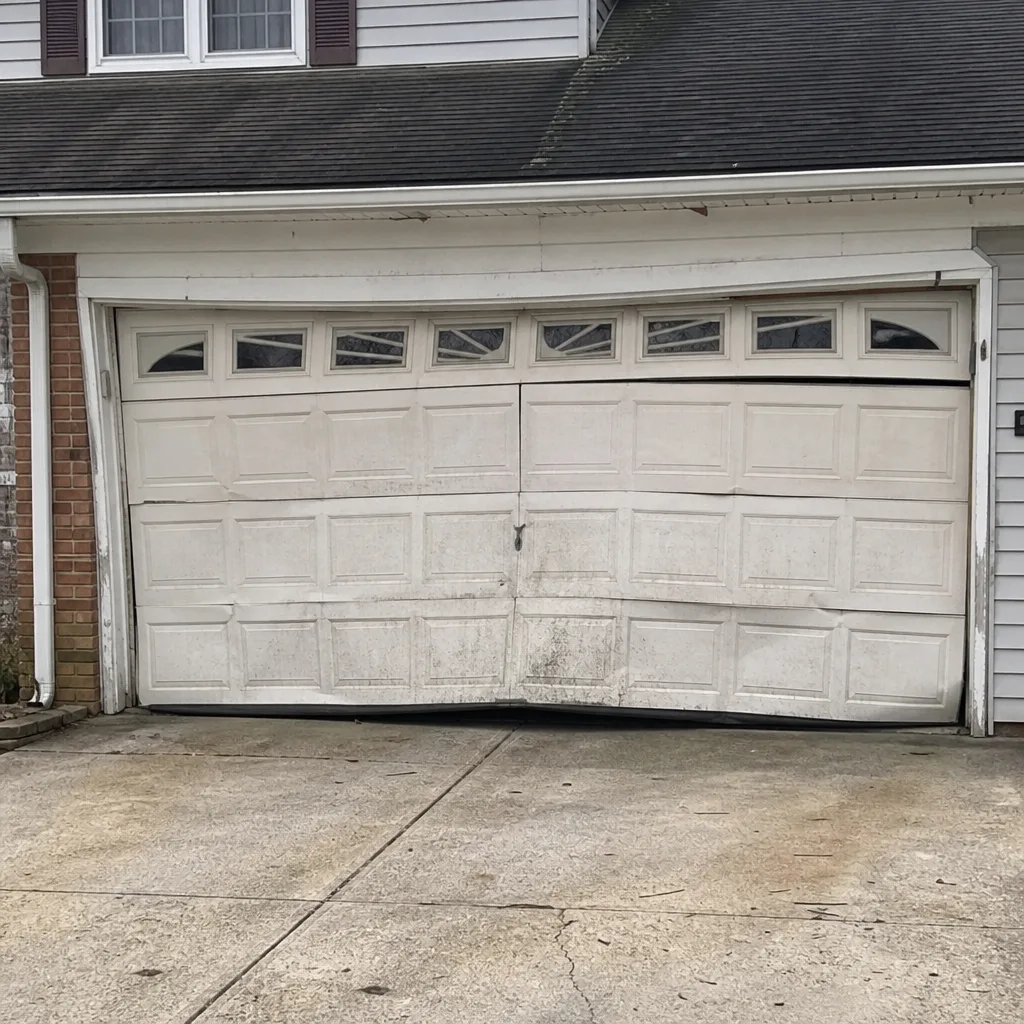 Before
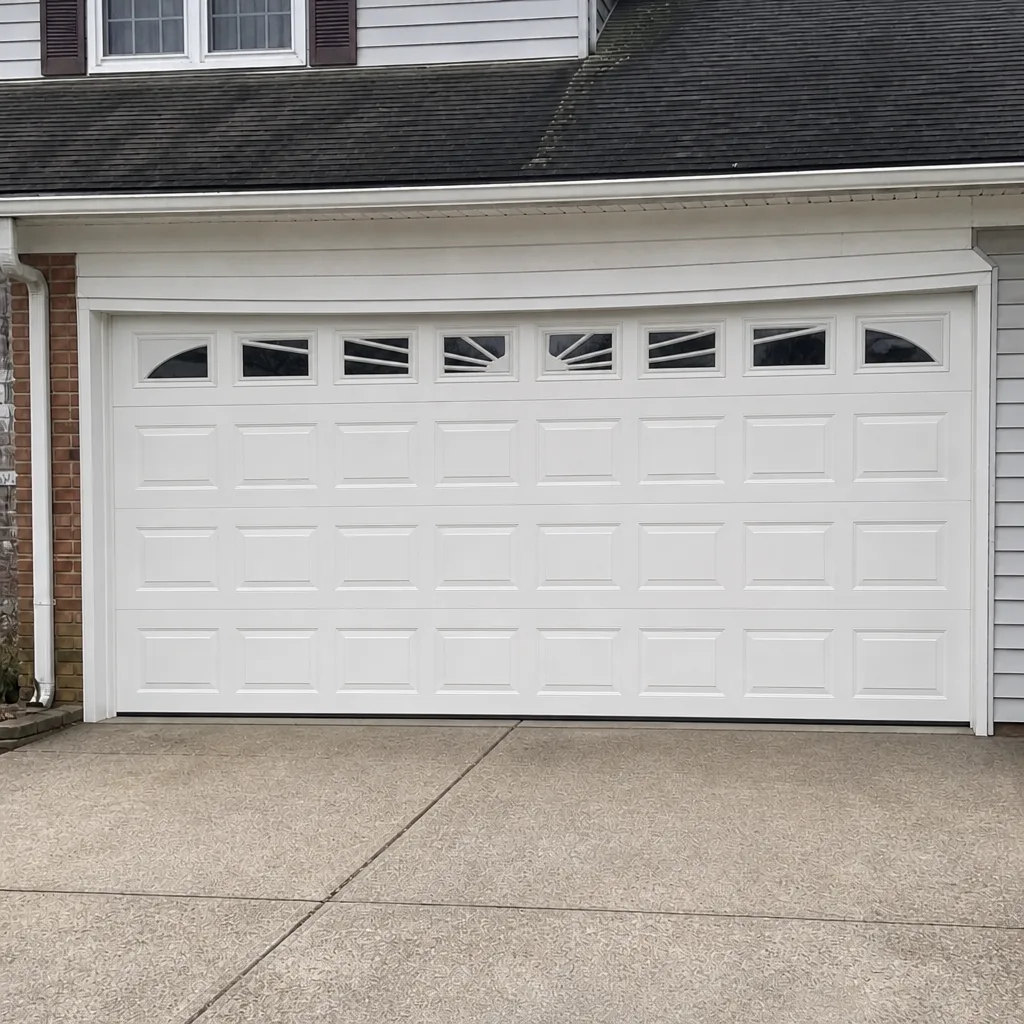 After
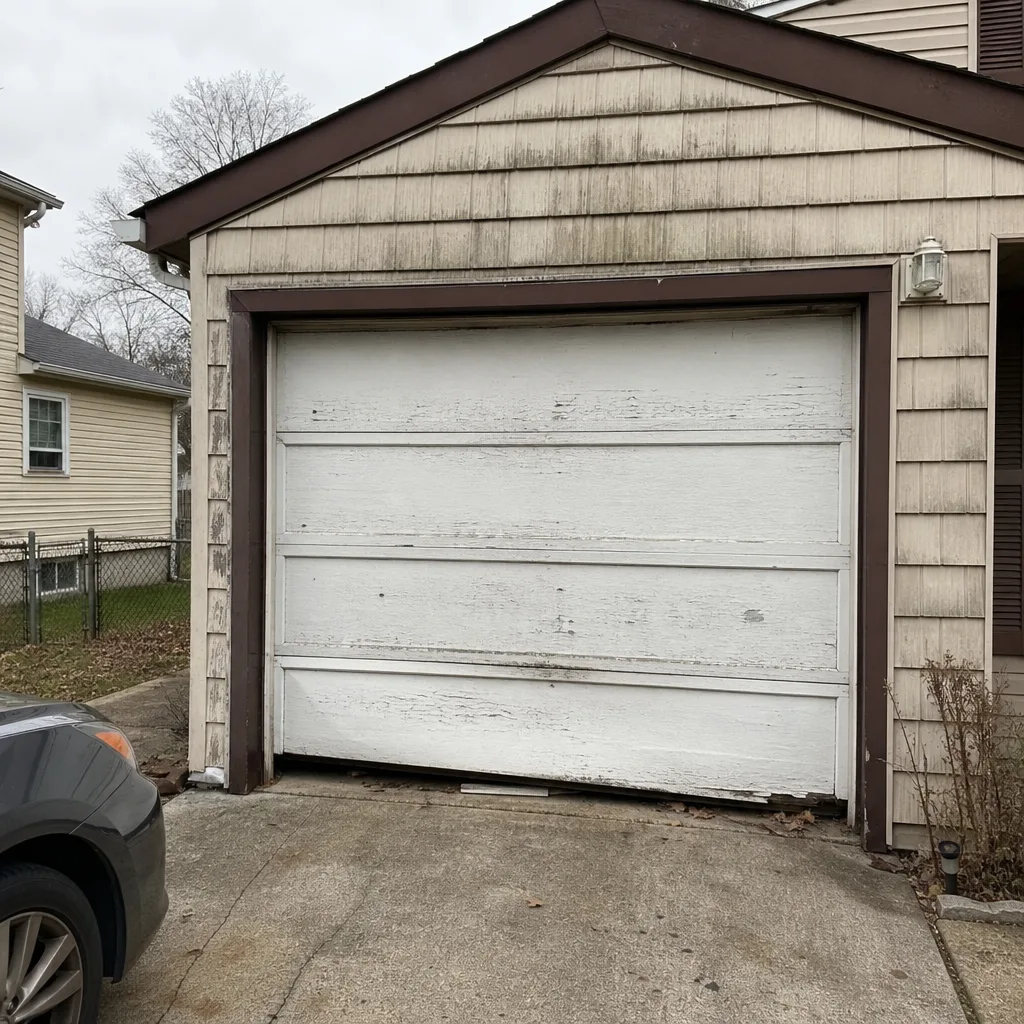 Before
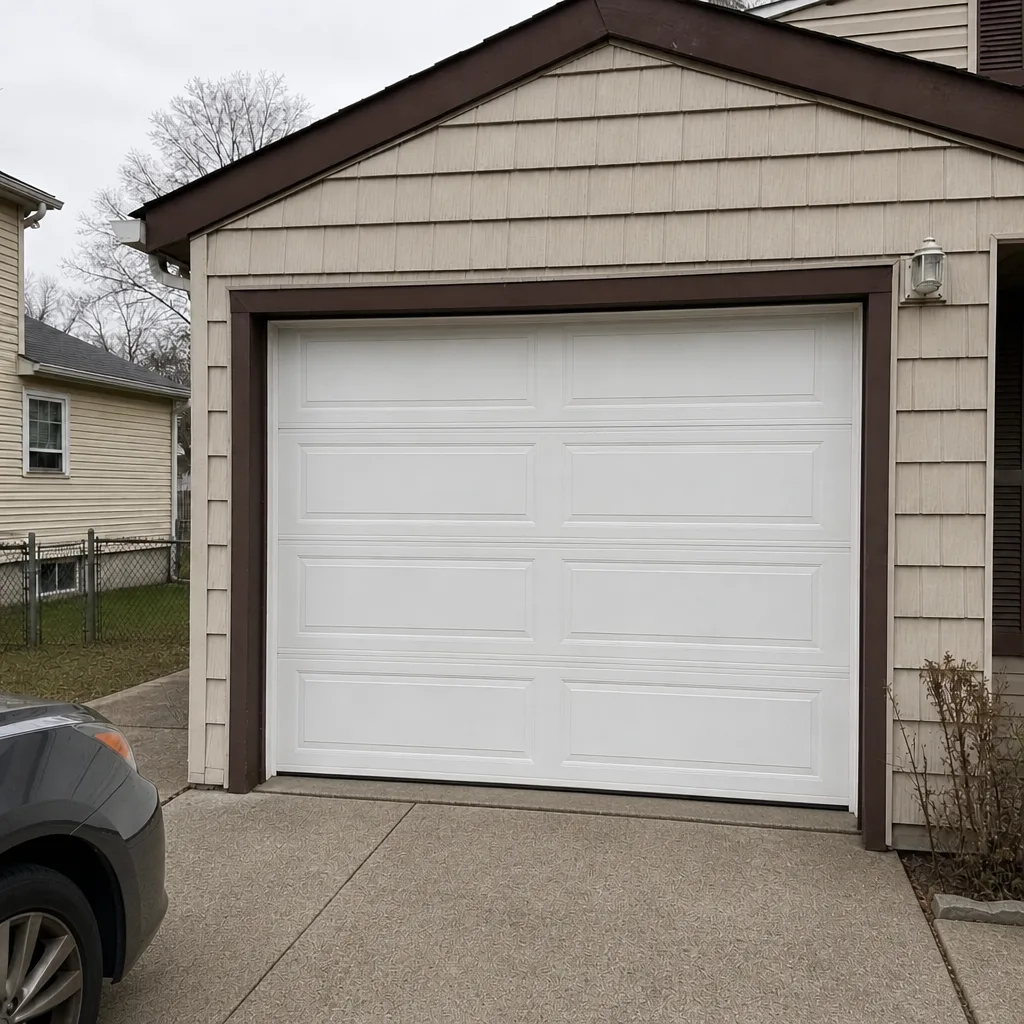 After
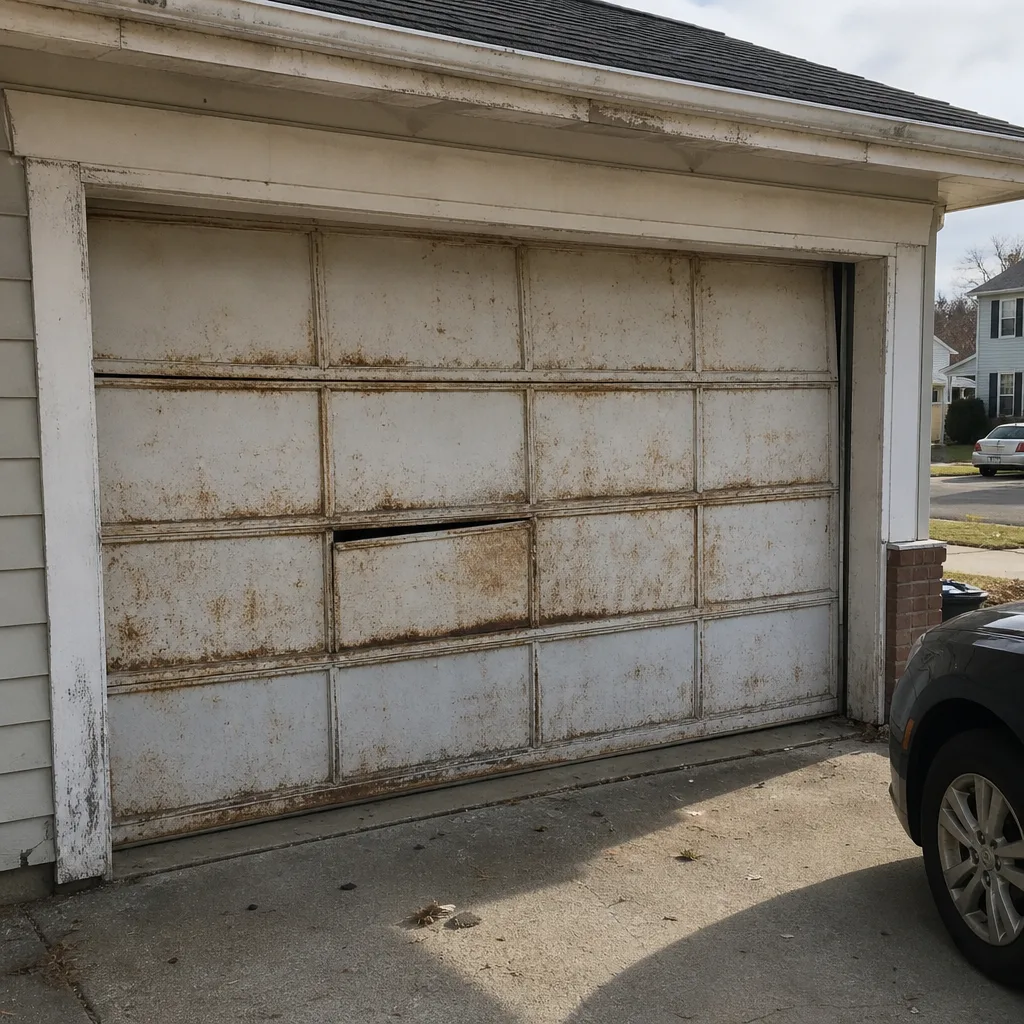 Before
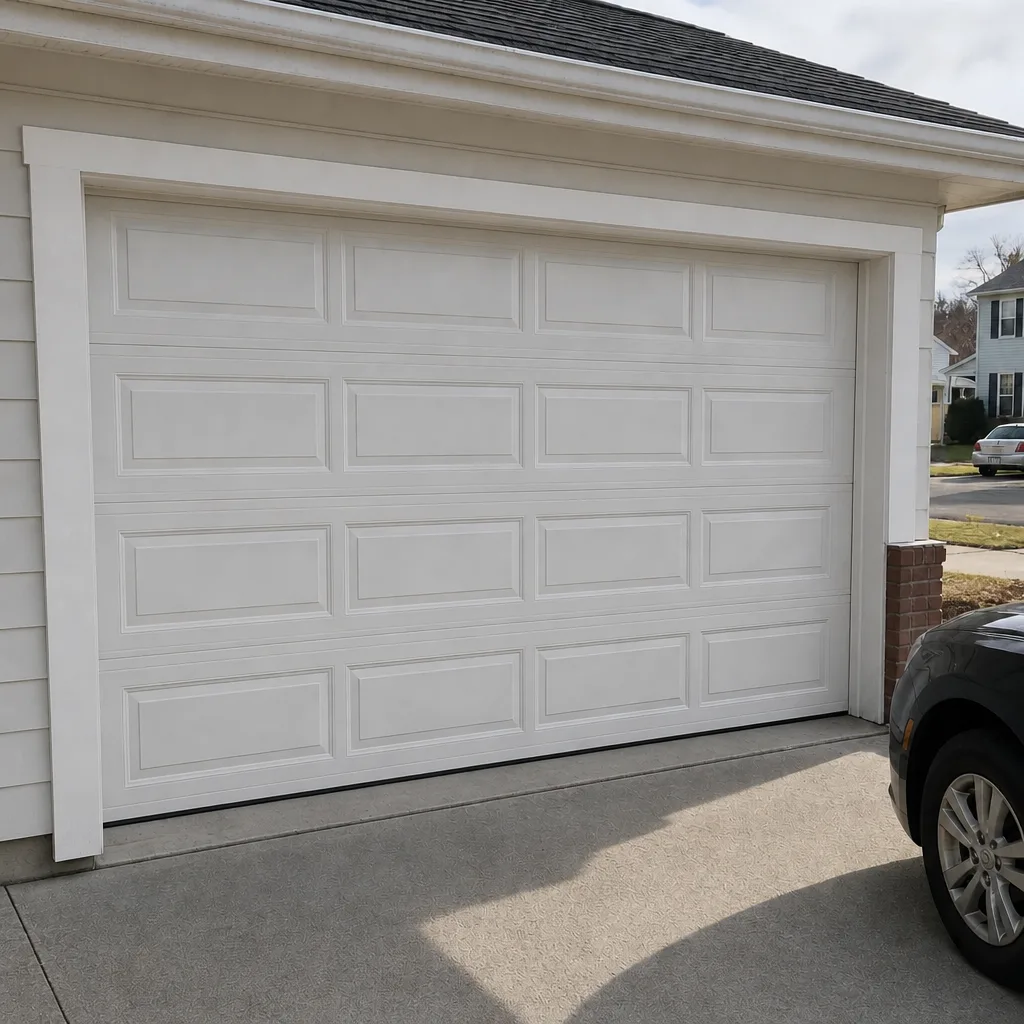 After
When to Call a Professional
Call a professional for any broken torsion or extension spring, any cable that has slipped or snapped, a door off its track, a door that has come down unevenly, and any situation where the door is hanging with no tension in the system. Those are the jobs where a trained technician is not optional – springs store energy and the stakes are physical safety. You should also call when an opener runs but the door doesn’t move, when the safety reverse fails, or when a door won’t close and you can’t get it to seat safely. Edison Garage Door Repair Pros offers free estimates in Edison – call (855) 506-5081. Our technicians have up to 11 years of experience, we handle everything from opener diagnosis to a complete new door, and this is all within the garage door trade. We answer 24/7. Fast dispatch from 7am to 7pm, Sunday through Friday.
Frequently Asked Questions
Yes, if the springs are intact. Pull the red manual release cord with the door fully closed, then lift the door by the bottom panel. It will feel heavier without the opener. If a spring is broken, do not use the release – call a technician first.
Leave the door where it is, keep people clear, and call for spring service. Don’t try to lift or force the door, and don’t pull the manual release. A snapped spring leaves the door without counterbalance, and the weight is now on the opener and tracks.
Springs are quoted per job by a written estimate, and a matched pair usually needs both replaced together. The written estimate sets the price, and the price is agreed before any work starts. Call (855) 506-5081 for a free estimate – we’ll give you the exact number for your door.
Because the opener can’t run without power. Use the manual release with the door closed, then lower it by hand. If the door won’t seat properly, secure it with a lock bar or a clamp above a roller until you can get it repaired. A battery backup opener avoids the problem in a future outage.
If your opener supports a backup kit made for its model, it’s worth considering given how often storms take the power out here. Not every opener is compatible, so check your model first. Call (855) 506-5081 and we can tell you what your opener will take.
Yes. Close and secure it from the inside before you go out, and keep the manual release clear so it’s easy to reach next time. An open garage door during a storm is a security and water problem.
If the springs are intact and the issue is electrical, yes – use the manual release and lift the door by hand. If the spring is broken and the door is stuck, call for service. Forcing the door is how a simple repair becomes a bent track and a snapped cable.
It shouldn’t change unless the scope changes, and scope changes are agreed with you before any work continues. The written estimate you get sets the price. If we find something behind the panels that wasn’t visible, we tell you and you decide before we touch it. Call (855) 506-5081. We answer 24/7. Fast dispatch from 7am to 7pm, Sunday through Friday.
The Bottom Line
Garage door preparedness in Edison isn’t dramatic – it’s fifteen minutes of checking the balance, testing the reverse, clearing the release cord, and knowing what to do when the spring lets go. The first thirty minutes after a failure are the ones that decide whether it’s a repair or a bigger repair. Use the manual release with the door closed. Secure a door that won’t seat. Get your car out gently, not by force. Leave springs and cables to a specialist. And if you’re not sure what you’re looking at, call. We work on LiftMaster, Chamberlain, Genie, Clopay, Amarr, Wayne Dalton, Craftsman, and Raynor systems every day, and we’d rather help you avoid a failure than rescue you from one. When it does go wrong, call Edison Garage Door Repair Pros. Call (855) 506-5081 for a free estimate. We answer 24/7. Fast dispatch from 7am to 7pm, Sunday through Friday.
Written by the team at Edison Garage Door Repair Pros.